
In a surprising political turnaround late Tuesday, President Donald Trump announced that several House Republicans who had earlier blocked a crucial vote on crypto regulation have now agreed to move forward with the legislation. This shift comes after a high-level meeting held at the White House, where Trump reportedly gathered with 11 out of the 12 lawmakers whose support is needed to pass the bill’s initial procedural rule.
“I am in the Oval Office with 11 of the 12 Congressmen/women necessary to pass the GENIUS Act,” Trump wrote on Truth Social shortly before 9 p.m. ET. “After a short discussion, they have all agreed to vote tomorrow morning in favor of the Rule.”
He added that House Speaker Mike Johnson had joined the meeting via phone and was eager to move the bills forward with a vote scheduled as early as Wednesday morning. This development marks a dramatic rebound for the Trump-backed crypto regulation package, which only hours earlier faced significant resistance within his own party.
Initial Vote Blocked Despite GOP Majority
Earlier Tuesday, a vote to approve the House rules of debate for the legislation failed in a surprising 196–223 tally. Thirteen Republicans broke ranks and joined Democrats in opposing the procedural rule, a rare defiance of Trump’s leadership.
The failed vote represented a significant blow during what Trump had dubbed “Crypto Week,” aimed at advancing major digital asset legislation in Congress. These bills had been expected to pass easily due to Republican control of the House and strong lobbying from the crypto industry.
However, internal GOP disagreements—particularly about how the bills were being packaged—led to a breakdown. Some members wanted all three proposed laws to be considered together and sent back to the Senate as a unified package, while House leadership preferred voting on them individually. This dispute, combined with concerns over missing provisions, caused the initial defeat of the procedural rule that would have allowed formal debate and voting on the floor.
What Are the Three Crypto Bills?
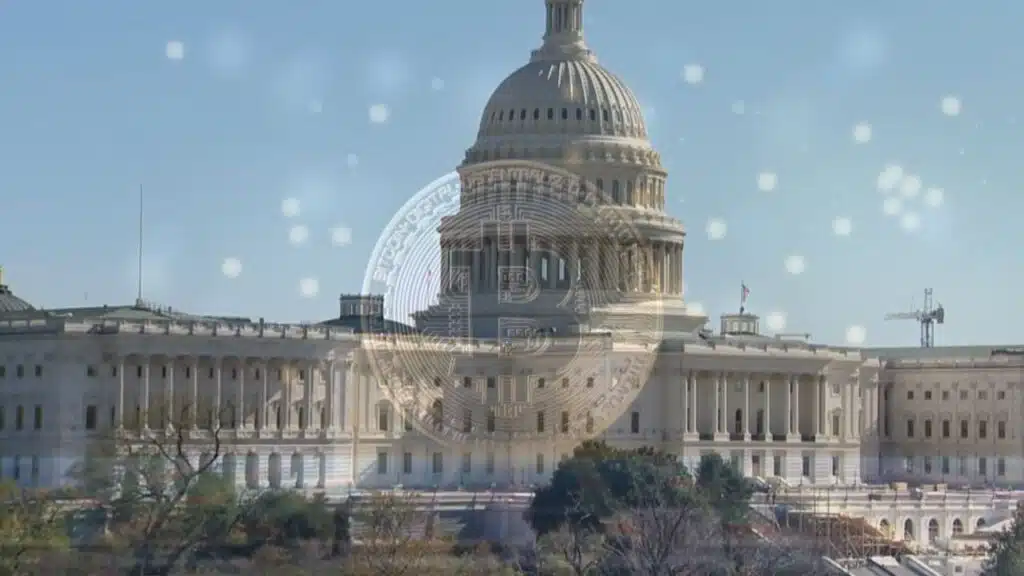
1. GENIUS Act
The GENIUS Act (Guiding and Establishing National Innovation for U.S. Stablecoins) is designed to regulate stablecoins, which are cryptocurrencies typically pegged to traditional fiat currencies like the U.S. dollar.
Key features include:
- Issuers must maintain one-to-one reserves for all stablecoins.
- They must undergo regular audits and provide public disclosures.
- It gives state regulators the authority to oversee the stablecoin market in coordination with federal agencies.
The bill had already passed the Senate in June with bipartisan support, including from some centrist Democrats.
2. CLARITY Act
The CLARITY Act aims to establish clear definitions for whether a digital asset is classified as a security or a commodity. This has long been a gray area in crypto regulation.
If passed:
- The Securities and Exchange Commission (SEC) would handle tokens considered securities.
- The Commodity Futures Trading Commission (CFTC) would regulate crypto assets deemed commodities.
- The bill would provide clarity for crypto firms, potentially ending many ongoing lawsuits between regulators and companies like Ripple and Coinbase.
This act has strong support from both the crypto industry and lawmakers seeking to bring clarity and stability to crypto markets.
3. Anti-CBDC Act
The third bill would ban the Federal Reserve from creating or issuing a Central Bank Digital Currency (CBDC).
Concerns cited by opponents of a digital dollar include:
- Privacy risks, with fears of government surveillance over citizens’ transactions.
- Potential for centralized financial control, where the Fed could track or even limit how people use their money.
Supporters of the ban argue it’s a necessary step to protect individual freedom and the decentralized nature of digital assets.
Fallout from the Failed Vote: Crypto Stocks Take a Hit
The market reacted quickly to the House setback.
- Circle, a major stablecoin company behind USDC, saw its stock drop over 7% after the news broke.
- Coinbase, the largest U.S.-based crypto exchange, fell by more than 4%.
- MARA Holdings, a digital asset and mining firm, also slipped more than 2%.
Meanwhile, Bitcoin prices, which had surged past $120,000 earlier in the week in anticipation of regulatory clarity, briefly dipped as concerns spread about potential legislative delays.
These drops reflect investor unease about the uncertain regulatory future of crypto assets in the U.S., despite Trump’s push to lead on digital finance.
Trump’s Crypto Strategy: “America Must Lead”
Trump has positioned himself as a vocal supporter of cryptocurrencies and digital innovation. In multiple recent posts, he claimed that the U.S. must lead in digital assets and stay ahead of international rivals.
In his Truth Social post earlier Tuesday, he wrote:
“The House will soon VOTE on a tremendous Bill to Make America the UNDISPUTED, NUMBER ONE LEADER in Digital Assets – Nobody does it better!”
He added that the GENIUS Act would give the U.S. an edge over China and Europe in financial technology:
“Digital Assets are the FUTURE, and we are leading by a lot!”
This narrative aligns with Trump’s broader campaign strategy of portraying America as technologically superior and financially resilient, especially under his leadership.
Hardliner Concerns: Where the Resistance Came From
Despite Trump’s support, not all Republicans were on board. Rep. Marjorie Taylor Greene (R-Ga.) voted against the GENIUS Act’s procedural rule.
She stated that:
- The bill did not include an outright ban on Central Bank Digital Currency.
- Speaker Johnson did not allow amendments to the bill, leaving concerns unaddressed.
Greene pointed to Trump’s own January 23 executive order, which called for a CBDC ban, insisting that Congress should follow through with legislation to enforce it.
She posted on X (formerly Twitter):
“I just voted NO on the Rule for the GENIUS Act because it does not include a ban on Central Bank Digital Currency … Congress must also include the ban on CBDC in the GENIUS Act.”
Her position highlights ongoing friction within the Republican Party between populist hardliners and establishment conservatives, even on issues where Trump’s position is clear.
What Happens Next?
Following Trump’s late-night meeting and the shift in support from key Republicans, the House is expected to re-vote on the procedural rule Wednesday morning (July 16).
If the rule passes:
- The GENIUS Act will proceed to full debate and vote.
- The CLARITY Act and Anti-CBDC bill will follow in sequence.
If all three bills pass the House:
- GENIUS has already cleared the Senate and could head directly to President Trump for signature (assuming his reelection).
- CLARITY and the CBDC ban would still need Senate approval.
Observers expect quick movement now that party leadership and Trump are aligned.
Why This Matters
For the crypto industry: The GENIUS and CLARITY Acts offer long-sought clarity that could legitimize crypto at the federal level, increase institutional investment, and reduce legal uncertainty.
For consumers and investors: Regulation could help weed out scams and protect users, especially in light of high-profile collapses like FTX and Celsius in recent years.
For U.S. leadership: These laws could position the U.S. as a global leader in digital finance, beating China and the EU in setting blockchain standards.
For privacy advocates: Blocking the CBDC aligns with the concerns of civil liberties groups wary of government intrusion into financial lives.
What started as a legislative disaster for Trump’s “Crypto Week” has turned into a political comeback. With key GOP holdouts now falling in line after Oval Office pressure, the U.S. could be on the brink of passing its first comprehensive crypto regulatory framework. If successful, this could transform not only the American crypto economy—but reshape the future of finance globally.
The information is Collected from CNBC and ABC news.