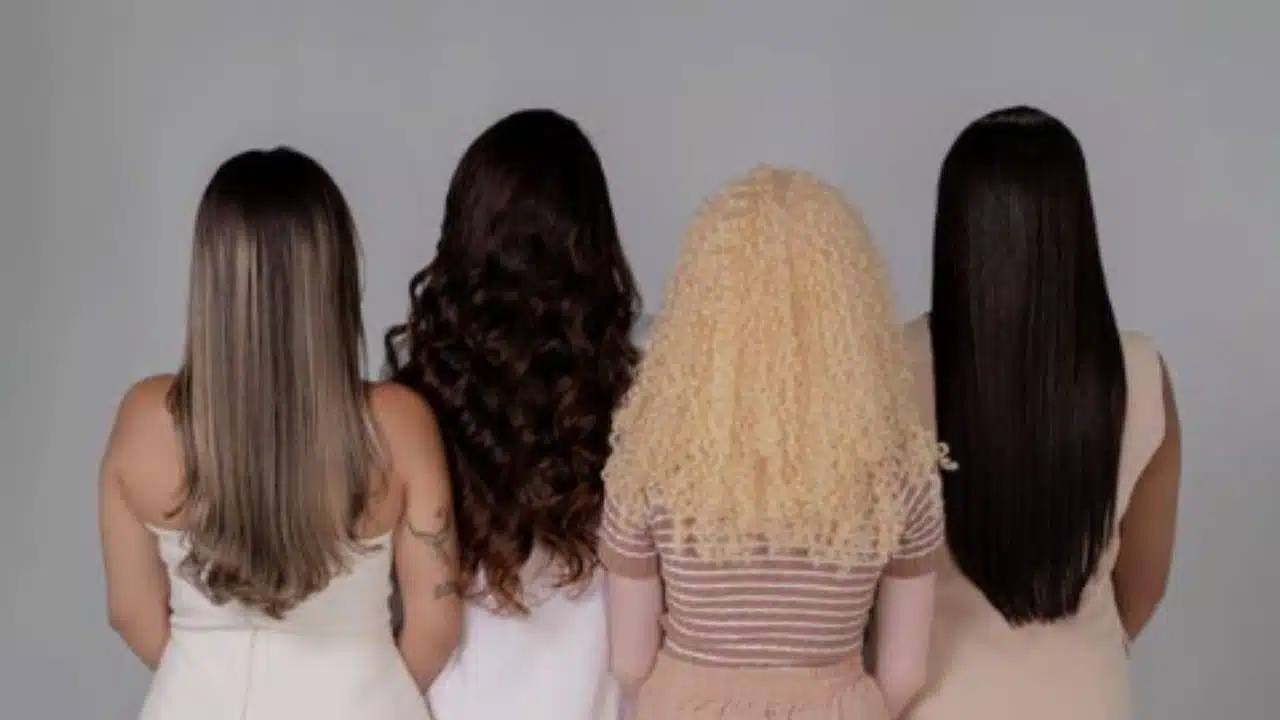
You wash your hair, you style it, and maybe you even invest in expensive products. But somehow, your hair still feels dry, frizzy, or just plain unhealthy. If this sounds familiar, you’re not alone. Many people unknowingly do things that damage their hair every single day.
These habits might seem harmless, but over time, they can lead to breakage, thinning, or even hair loss. If you’re tired of split ends, dull strands, or hair that refuses to grow, it might be time to take a closer look at your hair care routine. Understanding what’s going wrong can help you take better care of your hair and keep it looking its best.
Washing Too Often or Not Enough
One of the biggest mistakes people make is not getting the balance right when it comes to washing their hair. If you wash your hair every day, you could be stripping away the natural oils that keep your hair healthy curl shampoo and shiny. On the other hand, waiting too long between washes can lead to buildup, making your scalp itchy and your strands greasy.
It’s important to find a schedule that works for your hair type. Most people do well with washing two to three times a week. If your hair gets oily fast, consider using a gentle shampoo that won’t dry out your scalp. Finding the right balance is key to maintaining strong, healthy hair.
Using Products That Aren’t Free From Silicone and Sulfate
A lot of shampoos and conditioners on the market today contain harsh ingredients that can do more harm than good. Two of the worst culprits are silicone and sulfate. Sulfates are strong detergents that can strip your hair of its natural oils, leaving it dry and brittle.
Silicones, on the other hand, coat your hair in a way that makes it look shiny at first, but over time, they build up and prevent moisture from getting in. Choosing hair care products that are free from silicone and sulfate can make a big difference in your hair’s health. These gentler formulas clean your hair without drying it out or weighing it down.
Skipping Conditioner or Using the Wrong One
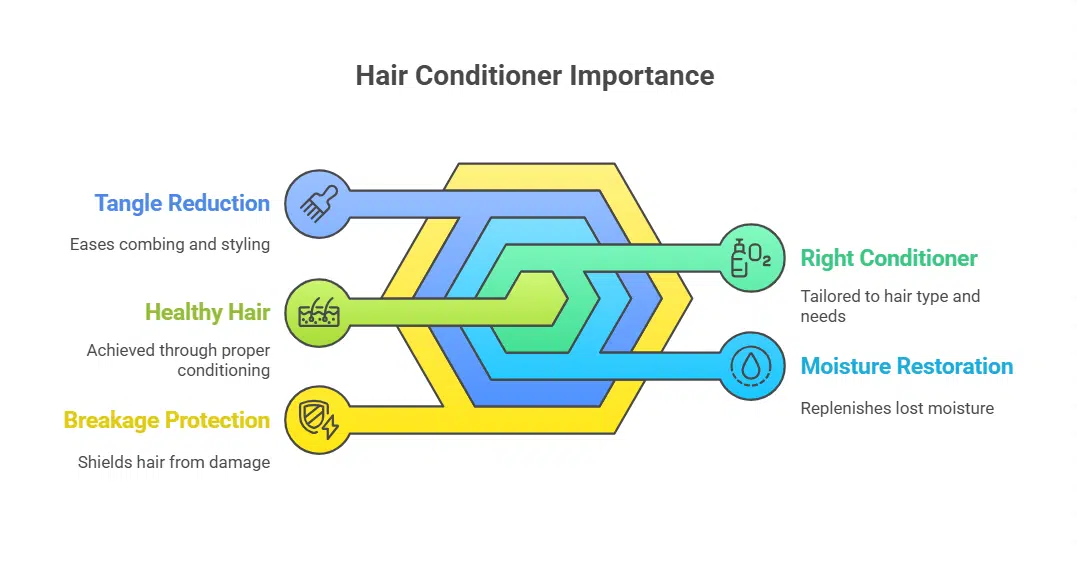
Conditioner isn’t just an optional step—it’s essential for keeping your hair soft and manageable. Skipping conditioner, especially if you use heat tools or color your hair, can lead to dryness and damage. But using the wrong conditioner can also cause problems. If your hair is curly, using a regular conditioner may not give you enough moisture.
You might need something richer, like a deep conditioner or a product made for curls. The right conditioner will help restore moisture, reduce tangles, and protect your hair from breakage. Take time to find one that suits your hair’s texture and needs.
Using the Wrong Products for Curly Hair Like Regular Shampoo
Curly hair needs special care, and not every shampoo is up for the job. Regular shampoos can be too harsh for curls, which are naturally drier and more fragile than straight hair. If you have curly hair, using a curl shampoo that’s designed to hydrate and define your curls can make a big difference.
These shampoos are usually made with ingredients that help maintain moisture and shape without flattening your curls and they are free from silicone and sulfate. They also clean your scalp gently without stripping your hair of the oils it needs. If your curls feel rough, undefined, or frizzy, the wrong shampoo could be the reason why.
Brushing Your Hair at the Wrong Time
When and how you brush your hair matters more than you might think. Brushing wet hair with the wrong tool can cause major breakage, especially if your hair is fine or fragile. Wet hair is more elastic and prone to snapping.
If you have to brush your hair when it’s wet, use a wide-tooth comb or a detangling brush, and always start from the ends, working your way up. Brushing dry hair too roughly can also cause breakage and lead to split ends. Be gentle with your strands and avoid tugging or pulling. Being mindful during brushing can help you avoid unnecessary damage.
Ignoring the Signs Your Hair Gives You
Your hair and scalp often try to tell you when something’s wrong. If your scalp feels sore, tight, or itchy, it could be a sign of buildup, dehydration, or irritation. Many people ignore these signs or think they’re normal, but they’re not.
In fact, this kind of discomfort can affect your hair growth and overall scalp health. Learning how to manage pain related to your scalp means treating the root cause. Maybe it’s switching shampoos, getting a scalp massage, or seeing a dermatologist. Whatever it is, don’t ignore it. A healthy scalp leads to healthy hair, so listen to what your body is telling you.