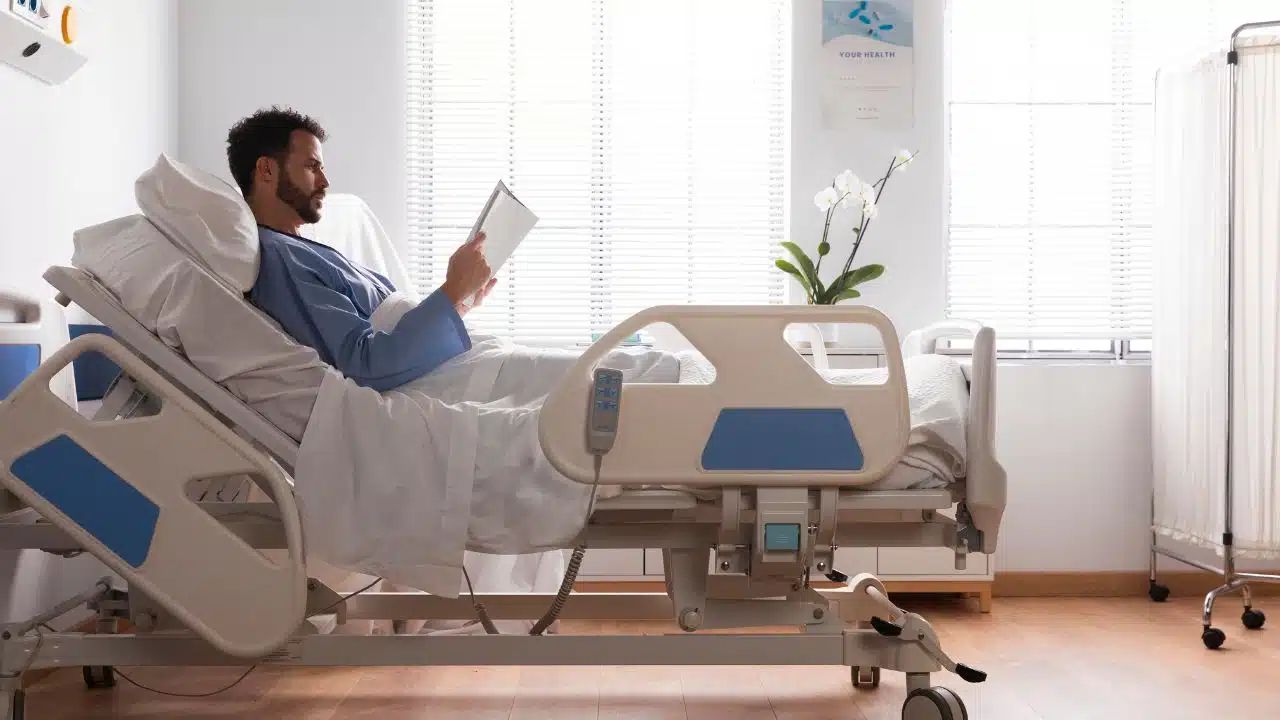
Choosing between refurbished and new is essential in selecting the best hospital bed. Each option has its merits and drawbacks. In this wearable guide, we explore the key differences, enabling healthcare providers and institutions to make informed decisions.
What are Refurbished Hospital Beds?
There are exceptional restoration standards for refurbished hospital beds. Not all these beds are second-hand; they undergo extensive checks and repairs. It usually means replacing parts, reupholstering, and performing safety checks, yielding a good product. Before purchasing new equipment, some facilities explore options like a refurbished hospital bed for sale to manage costs without compromising patient care.
A cost-effective option is one of the most important reasons for buying refurbished beds. They’re usually available for a small fraction of the cost of a new one, which makes them a tempting quirk, especially for buyers trying to save a buck. Refurbished beds can be a reliable choice if purchased from reputable suppliers, even if used previously.
Exploring New Hospital Beds
Equipped with modern functions like electronic adjustments, safety, and newer materials, they could significantly enhance patient outcomes and the efficiency of healthcare staff. As you think about new hospital beds, longevity is an essential factor. Newer beds will have more extended warranties, ensuring the healthcare provider peace of mind. Though they may cost more upfront, these beds can have durable materials and features that pay off over time.
Comparing Costs and Benefits
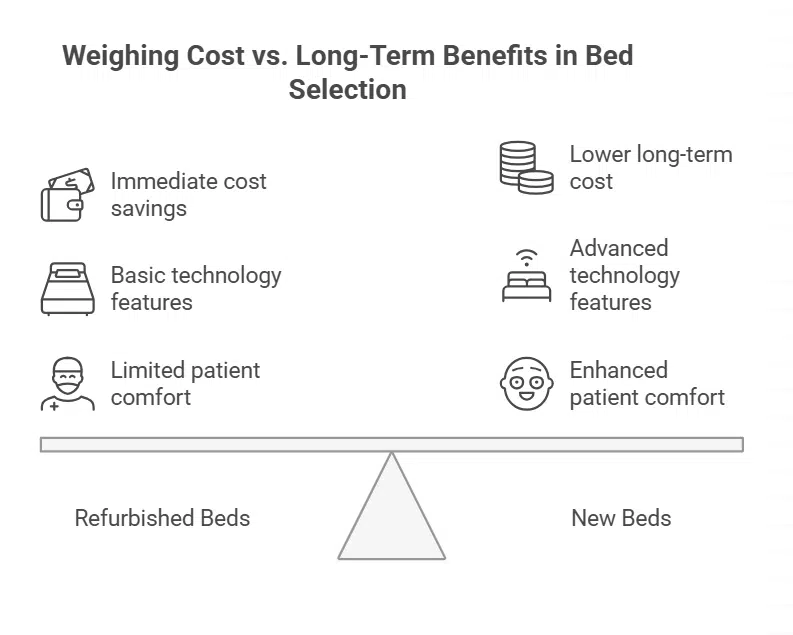
Cost is still an essential factor when choosing refurbished and new beds. Choosing factory-refurbished options can save you some immediate cash, which may be enticing for those facilities with tight budgets. However, we must consider these savings against the potential long-term benefits of new beds. The short of it is that new, high-quality beds can provide a lower total cost of ownership over their lifespan, even if they cost more upfront.
New beds often provide the most advanced technology, enhancing patient comfort and expediting recovery. These beds offer features like pressure-relief surfaces and potentially enhanced mobility, which refurbishment units may not always provide. Creating all these things can improve patient satisfaction and outcomes.
Environmental Considerations
Today, there is a heavy emphasis on environmental impact. Buying refurbished hospital beds is another excellent way to be sustainable by minimizing waste and using fewer resources. Healthcare facilities can also purchase refurbished options to reduce plastic waste and make it an environmentally friendly habit.
Despite their resource-heavy production, EVs may be the more sustainable choice on the market. Sustainable materials and energy-efficient designs: Manufacturers consider how to stay competitive; they will look to reduce waste from materials sourcing to the end of a car’s life cycle. We can see how environmental factors can help make decisions based on the broader values of the organization.
Making the Right Choice
Several factors are crucial to consider when deciding between refurbished and brand-new hospital beds. The decision is often influenced by the budget available, the features one is looking for, or the features available per government guidelines. (also the environmental aspects). Facilities must understand their requirements based upon patient demographics, how they will utilize the hospital for certain types of care, and if they have the volume or resources to support this investment long-term.
Getting insight by speaking with someone knowledgeable in your industry or your suppliers may help give you an idea of what works well in similar settings. Knowing the reputation and reliability of suppliers is especially important when refurbishing beds. Quality standards and warranties can help stave off future issues.
Conclusion
Hospital beds come in new and refurbished options, and finding a balance between cost, technology, and environmental impact plays a part in this decision. Each choice has its benefits, matching varying priorities and limitations. Whether looking for the latest in state-of-the-art technology or buying medical equipment for home use, you must make informed choices that guarantee quality patient care and high degrees of functionality at the facility.