Managing construction projects can be a challenging task under the best of circumstances, but when a project is spread across multiple sites or involves remote teams, it can become even more complex. With the rise of remote work and the increasing need for greater flexibility in the construction industry, cloud-based construction software has become an essential tool for managing projects effectively. These platforms enable teams to collaborate, track progress, and ensure smooth operations, regardless of where they are working from.
What Is Cloud-Based Construction Software?
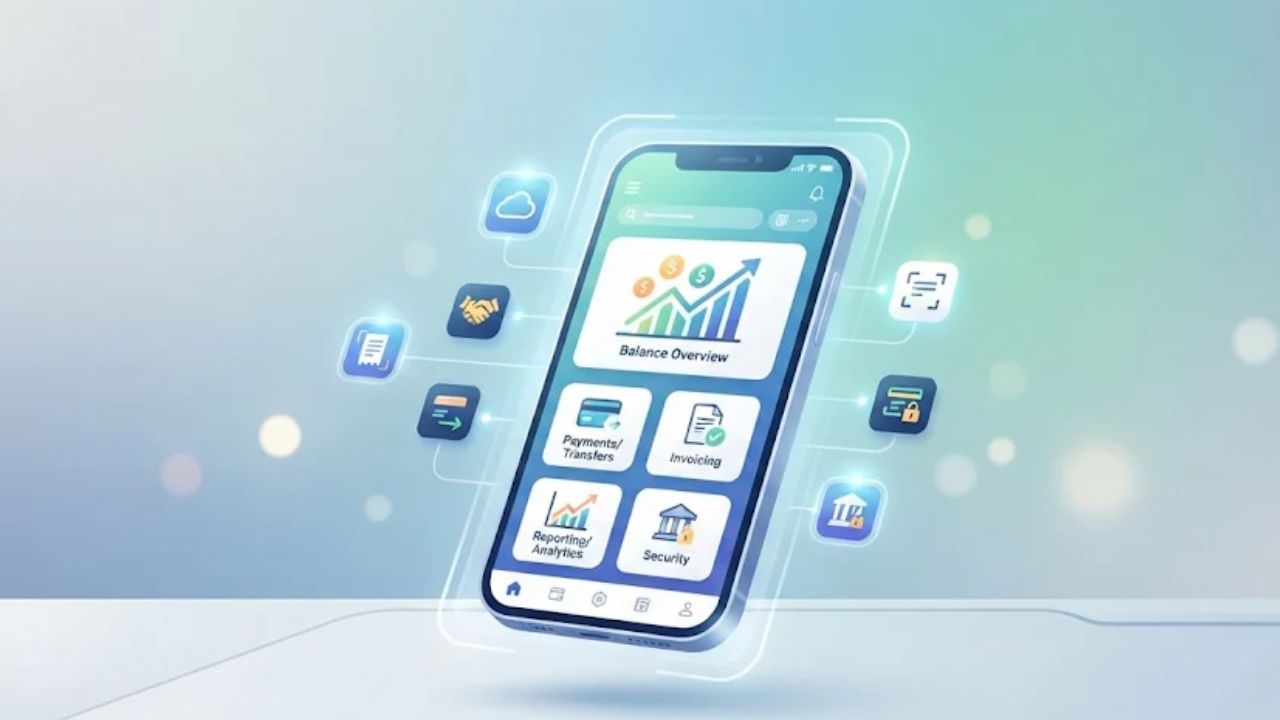
Cloud-based construction software allows construction professionals to access project management tools, documents, and data from anywhere with an internet connection. Unlike traditional on-premise software, which requires installation on local computers or servers, cloud-based solutions are hosted on remote servers and can be accessed through web browsers or mobile apps.
This flexibility means that whether you’re on the construction site, in the office, or working remotely, you can stay connected to your projects and team. The ability to access real-time data, track project progress, and communicate effectively is invaluable in a fast-paced environment where timely decision-making is crucial.
Enhancing Communication and Collaboration Across Teams

One of the most significant challenges in remote project management is maintaining clear communication across teams. In construction projects, various stakeholders such as project managers, contractors, subcontractors, suppliers, and clients need to be on the same page at all times. In the past, this would often mean sending emails, making phone calls, or relying on face-to-face meetings. However, these methods can lead to delays, misunderstandings, and lost information.
Cloud-based software for construction management improves communication by centralising all project-related information in one accessible platform. Teams can send and receive messages, share documents, and update tasks in real time. This ensures that everyone involved is on the same page and that important information doesn’t get lost in an email chain or miscommunicated during a phone call.
For instance, if a subcontractor encounters an issue on-site, they can instantly log it into the system, and the project manager can review it, make decisions, and provide feedback, all from their remote location. This streamlined communication helps reduce delays and prevents the mismanagement of information, which can lead to costly errors.
Tracking Progress and Managing Resources in Real-Time
A significant benefit of cloud-based construction software is its ability to provide real-time data and updates on project progress. Construction projects involve numerous moving parts, from materials and workers to schedules and budgets. Keeping track of all these elements can be difficult, especially when managing multiple projects or sites remotely.
With cloud-based tools, project managers can easily monitor progress, track milestones, and update schedules as work advances. They can also keep tabs on resource allocation, ensuring that the right materials and personnel are in place when needed. For example, if a delay occurs at one site, project managers can adjust the schedules for other sites or reallocate resources to keep everything on track.
Moreover, cloud-based platforms often include reporting features that provide detailed insights into project performance. This allows managers to spot trends, identify issues early, and make informed decisions to keep projects on schedule and within budget.
Improving Accountability and Transparency
In remote project management, maintaining accountability can be a challenge. Without physical oversight, it can be difficult to ensure that tasks are completed on time and that everyone is pulling their weight. Cloud-based construction software fosters a culture of accountability by allowing managers to assign tasks, set deadlines, and track progress.
Each team member’s activities are logged in real time, creating a clear record of who is responsible for what and when. If a task is delayed, it’s easy to identify the reason and who was responsible for it. This level of transparency can help reduce delays caused by miscommunication, missed deadlines, or unaccounted-for issues.
Furthermore, having a centralised system where all information is logged and tracked also helps improve project visibility for clients and other stakeholders. Clients can access project dashboards, view progress updates, and track budget and timeline metrics, reducing the need for frequent check-ins and fostering a more transparent relationship.
Boosting Efficiency with Automated Features
Cloud-based software for construction management often includes a range of automated features that can help improve efficiency. For instance, some platforms can automatically generate reports, send reminders, or trigger notifications when a task is nearing its deadline. These automations reduce the amount of manual work required and help ensure that important tasks aren’t overlooked.
For example, if a project manager sets a deadline for a particular task, the system can automatically remind the responsible team members a few days before the due date, ensuring that the task is completed on time. Automation can also help reduce errors, as it eliminates the need for manual data entry and processing, making it easier to stay organised and on top of the project.
Managing Documents and Compliance Remotely
Construction projects require a lot of documentation, including permits, contracts, blueprints, and safety reports. Managing these documents effectively is crucial to keeping a project on track, especially in remote project management situations where physical access to documents can be limited.
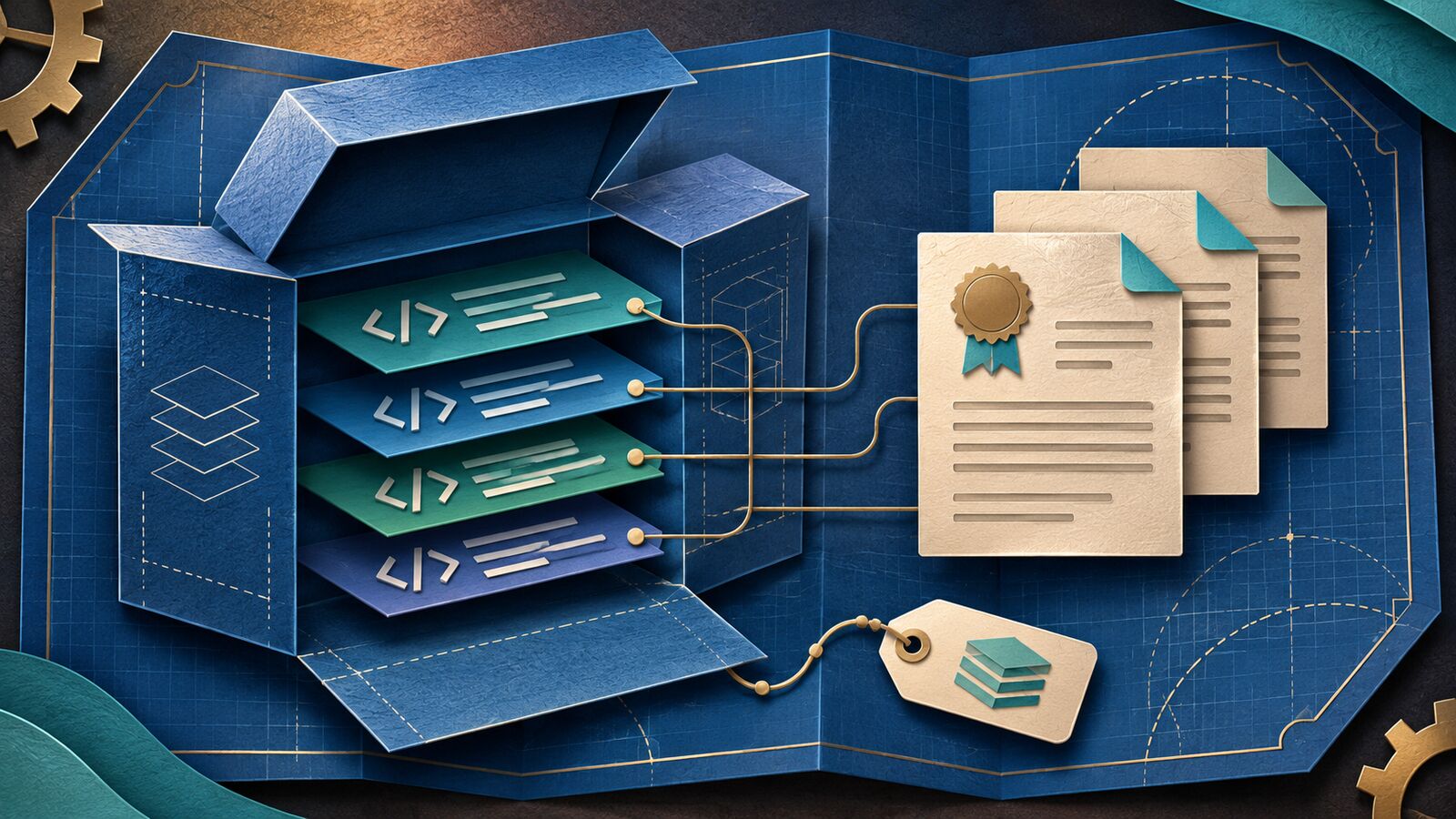
Cloud-based construction software makes it easy to store, manage, and share documents in a centralised, secure location. Team members can access the latest versions of documents from anywhere, reducing the risk of working with outdated information. Additionally, many cloud-based platforms include features that allow for version control, so changes to documents can be tracked, and previous versions can be referenced if needed.
In addition to improving document management, cloud-based solutions can also help construction firms stay compliant with industry regulations. Compliance documentation can be uploaded and stored within the software, and reminders can be set for critical compliance tasks, such as safety inspections or certification renewals.
The Benefits of Scalability and Flexibility
As construction businesses grow, so too do their project management needs. Cloud-based software is scalable, meaning it can grow alongside your business. Whether you’re managing a single project or a portfolio of large-scale developments, cloud-based solutions can accommodate your needs. With the ability to add more users, projects, and features as needed, these platforms offer the flexibility that businesses require to adapt to changing demands.
The scalability of cloud-based systems also makes it easier to manage projects across different locations or even different countries. With all project data and tools housed in the cloud, team members from various regions or offices can collaborate seamlessly, ensuring that projects stay on track regardless of geographical distance.
Takeaways
Cloud-based construction software has revolutionised the way construction projects are managed, particularly in the context of remote project management. By enhancing communication, improving accountability, and providing real-time insights into project performance, these platforms make it easier for construction businesses to stay on top of their projects, even when teams are working from different locations. For companies looking to improve efficiency, reduce costs, and grow their business, investing in cloud-based solutions is a smart move that can provide long-term benefits.