In an era of rising temperatures and increasing energy costs, maintaining a cool, comfortable home environment without breaking the bank has become a critical concern for homeowners nationwide. Whether you’re battling humid summers in the South, dry heat in the West, or unexpected heat waves in traditionally cooler regions, this comprehensive guide offers practical solutions to keep your living space refreshingly cool while minimizing energy consumption.
Understanding Heat Gain: The First Step in Home Cooling
Before diving into cooling solutions, it’s essential to understand how homes gain heat. Heat enters your home through direct sunlight penetrating windows, heat transfer through walls and roofs, air leaks around doors and windows, and internal heat sources like appliances and electronics. Recognizing these pathways allows you to address them systematically.
Windows typically account for 25-30% of residential heating and cooling energy use. South and west-facing windows receive the most intense sunlight during summer months, turning your living spaces into uncomfortably warm areas. Meanwhile, older homes with insufficient insulation can experience significant heat transfer through walls and attics, further elevating indoor temperatures.
Strategic Shading: Nature’s Air Conditioner
One of the most effective yet overlooked cooling strategies involves thoughtful landscaping. Deciduous trees planted on the south and west sides of your home provide natural shade during summer months while allowing warming sunlight during winter after shedding their leaves. A mature shade tree can block up to 70% of solar radiation, potentially reducing surrounding air temperatures by up to 9°F.
For immediate results, consider installing exterior window treatments such as awnings, which can reduce solar heat gain by up to 65-77% on south-facing windows and 57-77% on west-facing windows. Exterior shutters and solar screens also significantly block heat before it enters your home, proving more effective than interior treatments.
The Insulation Imperative
Proper insulation isn’t just for winter comfort—it plays a crucial role in summer cooling as well. The attic, where temperatures can soar above 150°F on hot days, demands particular attention. Adding adequate insulation creates a thermal barrier that prevents this extreme heat from radiating into your living spaces.
Energy experts recommend attic insulation with an R-value of R-38 to R-60, depending on your climate zone. Additionally, radiant barriers—typically aluminum foil-faced materials installed in attics—can reflect heat away from living spaces, reducing cooling costs by 5-10% in hot climates.
The Art of Ventilation
Strategic ventilation can dramatically reduce your dependence on mechanical cooling. The principle is simple: create pathways for hot air to escape while drawing in cooler air from outside. Whole-house fans, installed in a central hallway ceiling, pull air through open windows and exhaust it through the attic and roof vents, completely refreshing indoor air in minutes.
For targeted cooling without high energy consumption, portable fans from HunterFan provide an excellent solution. These versatile units can be positioned precisely where needed—creating cross-ventilation between rooms, boosting air circulation, or providing personal cooling when working or sleeping. Unlike central air conditioning, which cools entire houses regardless of occupancy, portable fans deliver comfort exactly where you need it, significantly reducing energy usage.
Smart Window Management
Windows require dynamic management throughout the day to optimize cooling. During early mornings and evenings when outside temperatures drop below indoor levels, open windows strategically to create cross-ventilation. Identify prevailing wind directions in your area and open windows on opposite sides of your home to maximize airflow.
During peak heat hours, close windows and draw blinds or curtains, particularly on south and west-facing exposures. Light-colored, opaque window coverings can reduce heat gain by up to 33%. For a more permanent solution, consider installing low-emissivity (low-E) window films or replacing older windows with energy-efficient models featuring double or triple glazing and low-E coatings.
Optimizing Your Air Conditioning System
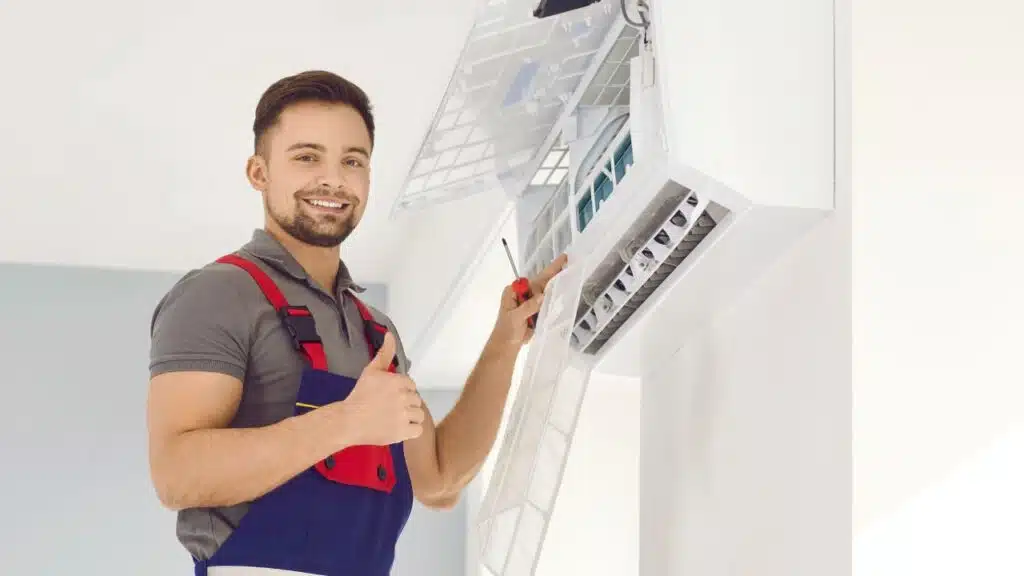
When natural cooling methods prove insufficient, air conditioning becomes necessary. However, maximizing its efficiency can substantially reduce energy consumption. Regular maintenance—including cleaning or replacing filters monthly during peak season, clearing debris from outdoor units, and scheduling professional tune-ups—can improve efficiency by 15-20%.
Smart thermostats represent another game-changing technology, automatically adjusting temperatures based on occupancy patterns and weather forecasts. Many models learn your preferences over time, creating customized cooling schedules that maintain comfort while minimizing energy use. Studies show smart thermostats can reduce cooling costs by 10-15% annually.
The Power of Dehumidification
In humid climates, addressing moisture levels often proves more important than lowering temperatures. High humidity prevents perspiration from evaporating, making 78°F feel much warmer than the same temperature in dry conditions. Standalone dehumidifiers can extract excess moisture, making your home feel significantly cooler without changing the thermostat setting.
For comprehensive humidity management, consider whole-house dehumidifiers integrated with your HVAC system. These units process air throughout your entire home, maintaining optimal humidity levels between 40-50% and substantially improving comfort while reducing cooling costs.
Nighttime Cooling Strategies
Leveraging cooler nighttime temperatures can pre-cool your home for the following day. The “night flush” technique involves opening windows and using fans to draw in cool evening air, then closing the house before temperatures rise in the morning. This approach works particularly well in regions with significant day-night temperature differentials.
Ceiling fans play a valuable role in this strategy by ensuring cooler air circulates effectively throughout living spaces. During summer, set ceiling fans to rotate counterclockwise, creating a direct downdraft that accelerates evaporation from your skin and produces a cooling effect.
A Comprehensive Approach
The most effective home cooling strategy combines multiple approaches tailored to your specific climate, home architecture, and lifestyle. Begin with passive measures like improved insulation and strategic shading, supplement with smart ventilation techniques and efficient fans, and optimize any mechanical cooling systems for maximum performance.
Remember that small changes—closing blinds during peak sun hours, using bathroom and kitchen exhaust fans to remove heat and humidity, or cooking outdoors during heat waves—can collectively make a significant difference in your home’s comfort level and energy consumption.
By implementing these evidence-based cooling strategies, you’ll not only create a more comfortable living environment but also reduce your environmental footprint and protect yourself against rising energy costs. Staying cool doesn’t have to mean cranking up the air conditioner—with thoughtful planning and strategic investments, effortless home cooling is within every homeowner’s reach.