Passive Houses are often misunderstood. People hear myths and think these homes aren’t durable, practical, or worth the cost. But don’t let rumors fool you—these homes offer smart energy savings and long-term comfort.
Experts have studied Passive House durability for years. The facts prove they’re not just strong but also efficient year after year. This blog will debunk seven common myths that might be holding you back from considering a Passive House.
Ready to find out what’s true? Keep reading!
Myth 1: Passive Houses are only for single-family homes
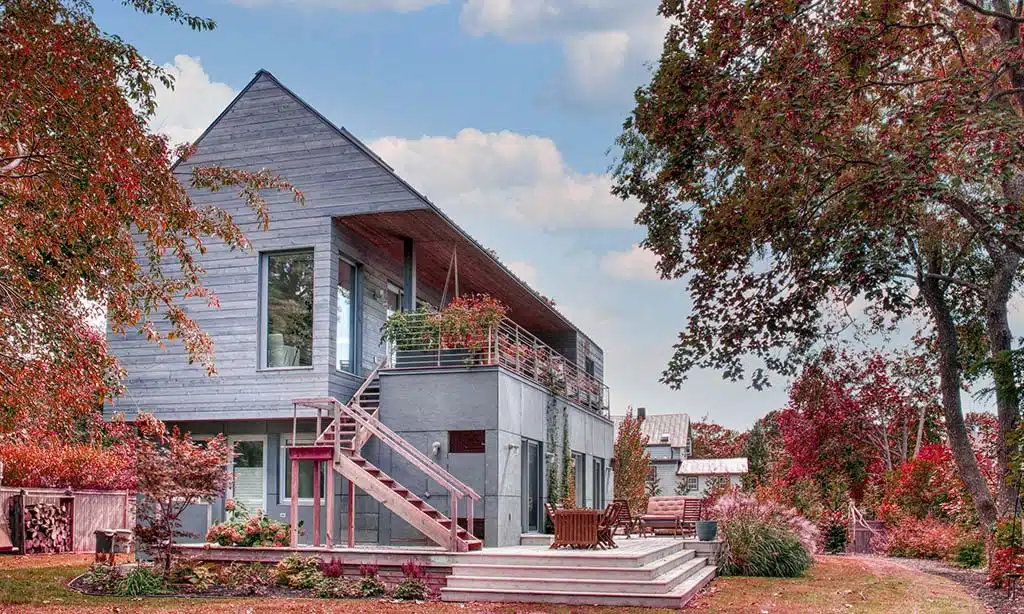
This idea is false. Passive House design works for apartments, schools, office buildings, and even multi-family housing. Builders use the Passivhaus standard in all types of construction worldwide.
Large-scale projects use airtight construction and superinsulation to save energy just like single-family homes. For example, a Passive House school in New York lowered its energy consumption by almost 70%.
This shows that sustainable building isn’t only for small households.
Myth 2: Passive Houses are a passing trend
Passive Houses are here to stay. They follow the Passive House standard, which began in Germany in 1991 and is now used worldwide. Thousands of buildings have earned Passive House certification, proving their long-term value.
Sustainable construction isn’t just a fad; it’s how we tackle global warming and reduce energy consumption.
These homes don’t just work for cold climates either. In warmer climates, they use advanced insulation, airtight construction, and heat recovery systems to keep cooling costs low.
Builders continue pushing for energy-efficient designs because people demand lower operating costs and better thermal comfort. With green building trends rising globally, calling them temporary misses the mark completely!
Myth 3: Passive House construction is the same as Net Zero building
Passive House and Net Zero buildings are not twins. A Passive House focuses on reducing energy consumption with airtight construction, superinsulated walls, and efficient windows. It cuts heat loss while improving thermal comfort.
On the other hand, a Net Zero building produces as much clean energy as it uses annually through renewable energy sources like solar panels or wind turbines.
While both aim for sustainability, their goals differ. Passive Houses prioritize low-energy living by lowering heating demand to 4.75 kBtu/ft² per year under the Passivhaus standard.
A Net Zero home depends heavily on energy production systems to offset its use of power from grids. Both approaches shine bright but take separate paths in sustainable architecture.
Myth 4: Passive Houses are sealed and lack fresh air
Passive Houses are airtight but not suffocating. High-quality ventilation systems, like Mechanical Ventilation with Heat Recovery (MVHR), constantly bring in fresh air. These systems remove stale indoor air and filter out dust, pollen, and other particles.
Windows can still open whenever you want. Fresh air flows without drafts or cold spots thanks to the design. The result? Better indoor air quality and comfort all year long.
Myth 5: Passive House buildings are excessively expensive
Building a Passive House may cost 5% more than a typical home. This small increase often covers better insulation, triple-pane windows, and airtight construction. Though these materials are pricier upfront, they cut energy consumption drastically over time.
The heating system in such homes costs less because the need for heating is minimal. Lower operating costs lead to long-term energy savings. Many homeowners find the investment worth it due to reduced bills and higher thermal comfort.
Sustainable architecture doesn’t have to break the bank—it’s about smarter spending now for big payoffs later!
Myth 6: Passive House features are just add-ons to standard construction
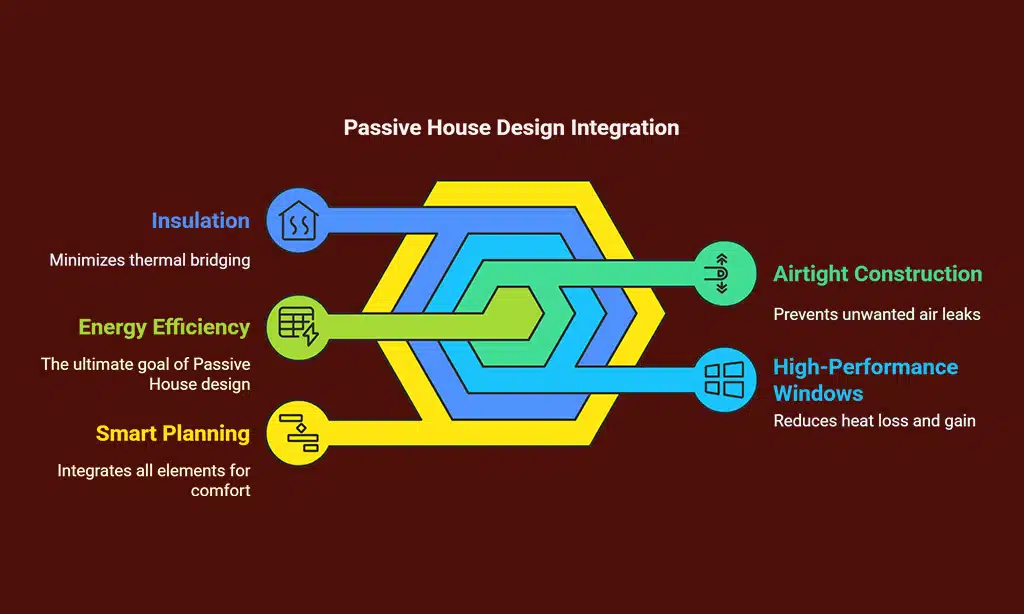
Passive House features are not just extra layers slapped onto regular buildings. They are part of a complete, thoughtful design process. The airtight construction, high-performance windows, and insulation combine to create a durable building envelope.
These elements work together to reduce thermal bridging and improve energy efficiency.
Standard homes often lose heat through gaps or poor materials. Passive Houses avoid this by focusing on every detail, like triple-pane glazing and proper ductwork placement. This is not about adding costly extras; it’s about smarter planning for long-term energy savings and comfort.
Myth 7: Passive Houses are unattractive and lack design flexibility
Good design and sustainability go hand in hand. Passive house architecture offers endless options, from sleek modern homes to charming traditional layouts. Architects work with homeowners to match styles while meeting strict energy standards like airtight construction or proper thermal bridging.
Flexible designs also fit diverse climates and different building types. Whether a cozy single-family home or a large apartment complex, the passive house standard adapts. Triple-pane windows, smart layouts, and creative materials make it easy to balance beauty with energy efficiency too.
Benefits of Passive House Durability
Passive houses stand strong, even in harsh conditions. They offer lasting comfort while keeping energy use low.
Enhanced energy efficiency
A thick building envelope cuts energy waste. Triple-pane windows and airtight construction slash heating and cooling needs. These methods lower energy consumption and cut operating costs.
Homes stay warm in winter and cool in summer, with less dependence on systems like heat pumps or aircon.
Small heating systems handle the low annual heating demand efficiently. This saves money over time while boosting thermal comfort. With better insulation, less hot water escapes too, reducing the strain on water heaters or tankless systems.
Improved indoor air quality
Passive Houses use airtight construction and advanced MVHR systems. These heat recovery ventilators bring in fresh air while filtering out dust, pollen, and other pollutants. This keeps indoor air clean and healthy.
Triple-pane windows and airtight seals stop drafts and reduce outdoor pollution inside. Unlike myths, these homes circulate fresh air constantly without stuffiness. You breathe easier with no compromise on comfort or cleanliness.
Expert Insights on Common Misconceptions
Experts debunk the myth that Passive Houses are sealed shut and lack fresh air. These homes use advanced ventilation systems, like heat recovery ventilators (HRVs). HRVs bring in fresh outdoor air while keeping warmth inside during winter or coolness in summer.
Windows can also be opened anytime, so stuffiness isn’t an issue. This system improves indoor air quality and ensures healthier living conditions year-round.
Some think these homes only work for cold places, which isn’t true at all. Passivhaus standards apply everywhere, from chilly regions to warm climates. Experts explain the secret lies in airtight construction and insulation that minimize thermal bridging no matter the weather outside.
Plus, using triple-pane windows helps keep energy consumption low while maintaining thermal comfort indoors—hot or cold climate alike!
Key Takeaways for Passive House Enthusiasts
Passive Houses are more than just durable—they redefine energy efficiency. Myths about air quality, cost, and style don’t hold water. Their airtight construction lowers energy consumption while boosting comfort. Fresh air systems make indoor spaces healthier to live in. Building one saves money long-term and helps the planet thrive.
Takeaways
Myths about Passive House durability are just that—myths. Experts have shown they work for all kinds of buildings, not just homes. These houses cut energy use, last long, and improve indoor air quality.
They aren’t stuffy or unattractive; they’re smart and sustainable. Building them costs a bit more upfront but saves plenty in the long run. Ready to make your space greener and cozier? Start exploring Passive House design today!
FAQs on Myths About Passive House Durability Debunked By Experts
1. What is a passive house, and how does it save energy?
A passive house is a low-energy building designed to reduce energy consumption using airtight construction, high-performance insulation like batt insulation, and triple-pane windows. These features cut annual heating demand and improve thermal comfort.
2. Do passive houses cost more to build than regular homes?
While initial construction costs can be slightly higher due to materials like triple-pane glass or advanced hot water systems, the long-term energy savings often offset these expenses over time.
3. Is maintaining indoor air quality in a passive house difficult?
Not at all! Passive houses use ventilation systems that control air infiltration while improving indoor air quality through constant fresh airflow.
4. Can passive houses handle extreme climates?
Yes, they are built for climate adaptation. The building envelope minimizes heat loss in cold weather and keeps interiors cool during hot weather, reducing reliance on electric heaters or cooling systems.
5. Are sustainable construction practices used in passive house design?
Absolutely! Passive house design follows green initiatives like reducing carbon emissions with net-zero carbon goals and using energy-efficient tools such as heat pump water heaters or tankless water heaters.
6. Does the Inflation Reduction Act support building passive houses?
Yes, this act encourages sustainable architecture by promoting low-energy buildings like those meeting the EnerPHit standard or achieving LEED certification for their efficiency-focused designs.