Working from home sounds like the dream—no traffic, flexible hours, and the freedom to wear whatever you want. But without structure, it can quickly turn into a productivity trap. The fridge is always nearby, your phone is constantly buzzing, and before you know it, hours have slipped by with little to show. Whether you’re freelancing, managing a remote team, or just clocking in from your kitchen table, a few simple strategies can help you stay focused, organized, and on top of your game.
1. Start with a Morning Routine
If you roll out of bed and go straight to your PC, you’re doing yourself a disservice. A morning routine helps you wake up with purpose and ease into work mode.
Try waking up at the same time each day, making your bed, eating a quick breakfast, and doing something you enjoy—even if it’s just for 15 minutes. Maybe you like catching up on the news, listening to a podcast, or checking out a fun platform.
2. Create a Dedicated Workspace
Your couch or bed might be comfy, but they’re not ideal for getting things done. You need a space that tells your brain, “It’s time to work.”
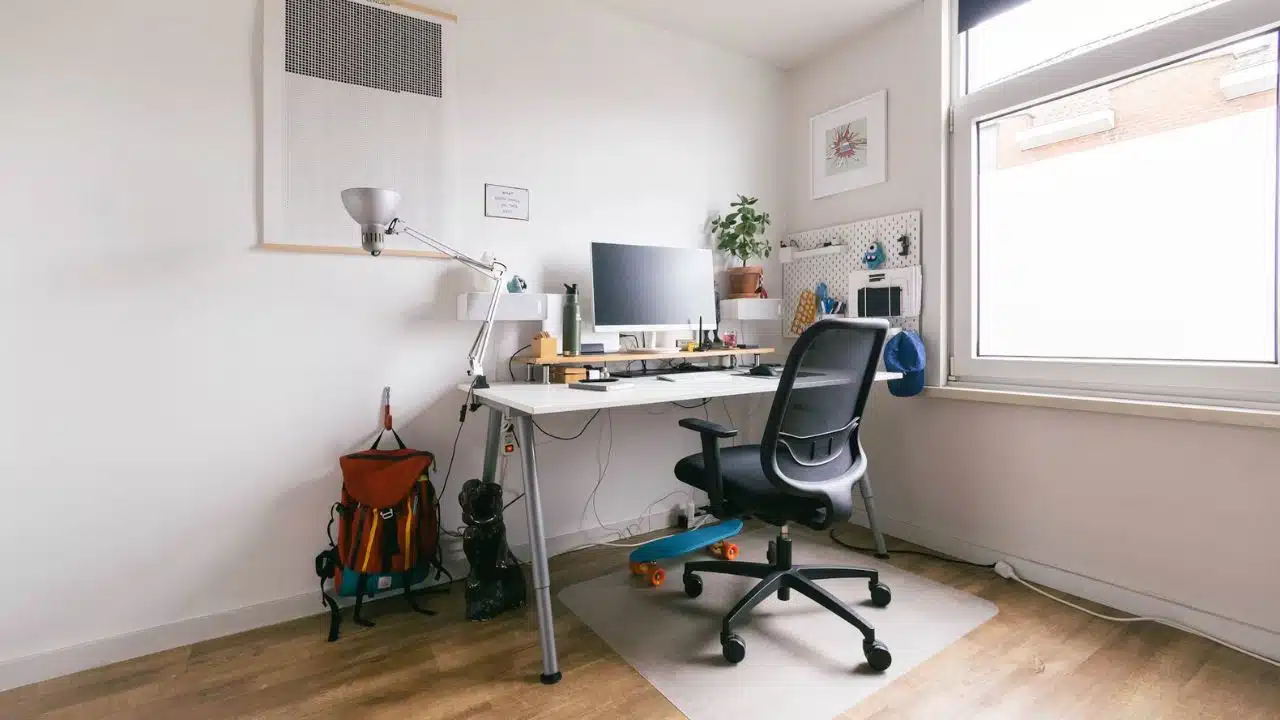
Set up a simple, clutter-free area with good lighting and your daily essentials—laptop, charger, notebook, and water bottle. You don’t need a fancy home office, just a consistent space where you can focus. When you sit there, your mind knows it’s time to switch into work mode.
3. Set Clear Boundaries
Distractions at home come in many forms—family, roommates, deliveries, or even your own thoughts. That’s why you need to create boundaries that protect your time.
Let the people around you know when you’re working and ask them not to interrupt you unless it’s urgent. Wearing headphones or shutting the door can help signal that you’re not available. Boundaries aren’t just for others—they’re for you too. Take short breaks to boost your mental health and maintain productivity.
For example, playing a quick round of games improves attentional work functions, such as alertness and visual attention. A short session of slots, multi-session tables, or video poker on a reputable online casino site, for example, can add a little excitement to your day. Techopedia’s Vlad Grindu recommends you learn more about which casino games allow for quick rounds. He says that online slots are one of the most popular casino games that automatically saves your progress. This allows you to return to the game at the end of a very busy workday.
4. Use Time Blocking
Time blocking helps you structure your day so you’re not constantly multitasking or drifting off-task. Split your day into pieces and assign each block to a specific task or project.
For example:
- 9–10 am: Respond to emails
- 10–12 pm: Focused project work
- 1–2 pm: Client meetings or calls
- 2–4 pm: Creative tasks or content writing
Stick to the blocks as much as you can. This gives your day rhythm and makes it easier to stay on track without feeling overwhelmed.
5. Take Regular Breaks
Working non-stop might feel productive, but your brain needs breaks to function at its best. When you take short, regular breaks, you come back refreshed and sharper.
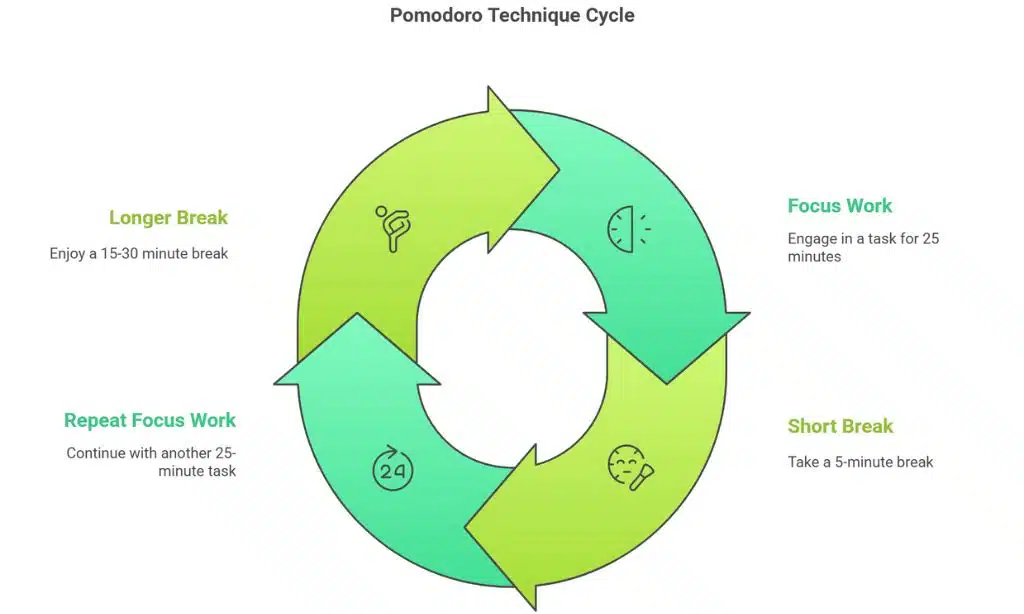
The Pomodoro technique allows you to focus on tasks for 25 minutes before taking a 5-minute break. This techniques is broken down into four cycles, each with different focus times and breaks. For example, after the 4th cycle, your next break will be 15 to 30 minutes. Use that time to stretch, grab a snack, or just step away from your screen. Don’t underestimate how much a 5-minute pause can do for your energy.
6. Minimize Distractions
Your home is full of distractions, your phone, TV, social media, even that pile of laundry. The key is to control what you can.
Turn off unnecessary notifications. Put your phone on silent or leave it in another room. Use browser extensions like StayFocusd or Freedom if you find yourself drifting onto YouTube or Instagram. If noise is an issue, try white noise or ambient music to drown out distractions.
The fewer interruptions you have, the more focused you’ll feel.
7. Stay Connected with Your Team
Just because you’re working from home doesn’t mean you should isolate yourself. Staying in touch with coworkers or clients helps you stay motivated and aligned. According to an article by Sayed Haq, a recent Stanford study revealed that remote workers experienced a 13% increase in productivity over nine months, demonstrating the potential benefits of remote work when managed effectively.
Check in regularly through messaging apps, video calls, or short daily updates. Don’t wait for meetings to communicate; keep conversations going. Even casual chats or virtual coffee breaks can help you feel more connected and less like you’re working on an island.
8. Prioritize Your Tasks
Not everything on your to-do list is urgent. When you try to do it all, you end up doing none of it well.
Each morning, choose your top 2–3 goals for the day. Ask yourself: “If I finish only these, will it be a successful day?” Focus on those first, then move on to smaller or less time-sensitive tasks. That way, you’re always moving the needle on what really matters.
9. Look After Your Health
You can’t bring your best self to work if you’re running on empty. Your physical and mental health are the foundation of your productivity.
Move your body—whether it’s a quick walk, yoga, or light stretching. Stay hydrated, and don’t forget to eat entire meals instead of snacking all day. Get enough sleep, and step outside for some sunlight when you can. These little things add up and make a big difference in how you feel—and how well you work.
10. Review and Adjust Weekly
No routine is perfect. What worked for you last month might not work this month. That’s why it’s important to review and tweak your setup.
At the end of each week, take a few minutes to reflect. What distracted you? What felt productive? Which time of day were you most focused? Use your answers to improve your schedule for the following week.
Your work-from-home flow should evolve with you—not against you.
Working from home gives you freedom, but it also puts you in charge of your own structure. When you create a routine that suits your lifestyle, minimizes distractions, and takes care of your well-being, you’ll find it easier to stay productive, energized, and in control of your day.