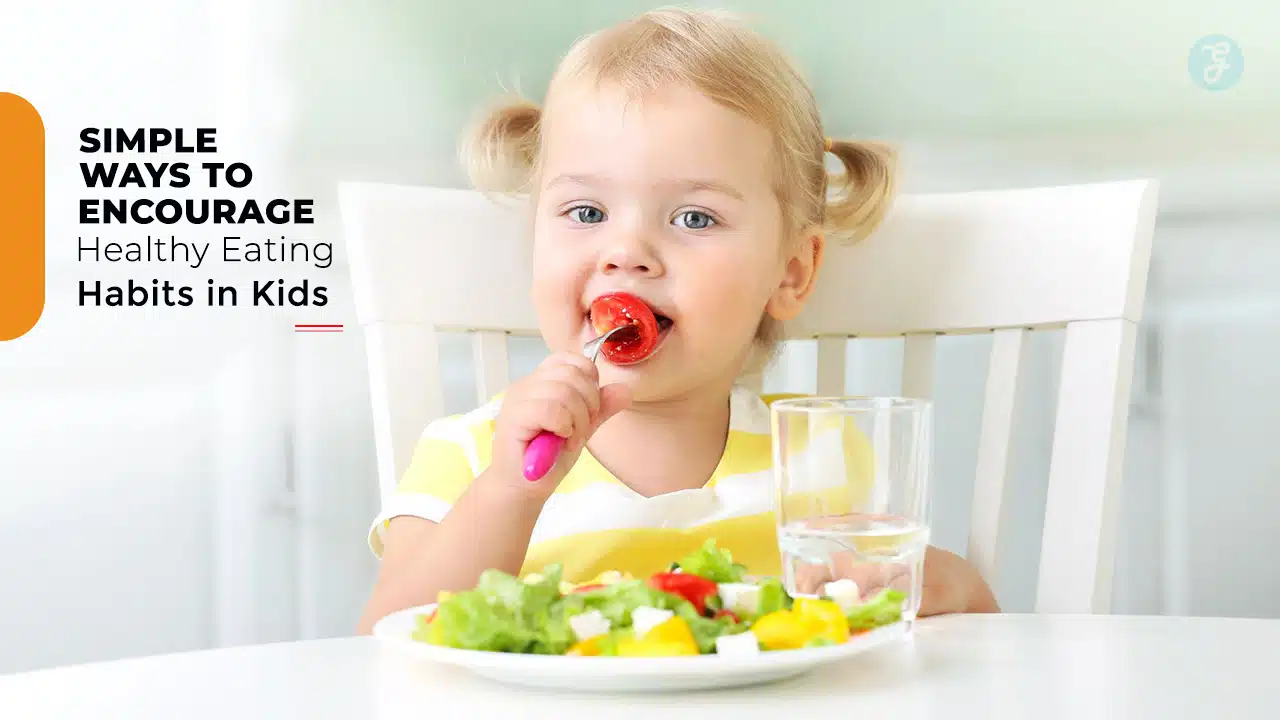
Encouraging healthy eating habits in kids is one of the most valuable lessons parents can teach. Good nutrition not only supports physical growth but also fuels mental development, boosts immunity, and sets the foundation for lifelong well-being.
However, with busy schedules and an abundance of processed food options, fostering these habits can feel like an uphill battle.
In this article, we’ll explore how to encourage healthy eating habits in kids.
From involving them in meal preparation to creating routines that prioritize nutritious choices, these strategies are designed to make healthy eating both fun and achievable.
What Constitutes Healthy Eating for Kids?
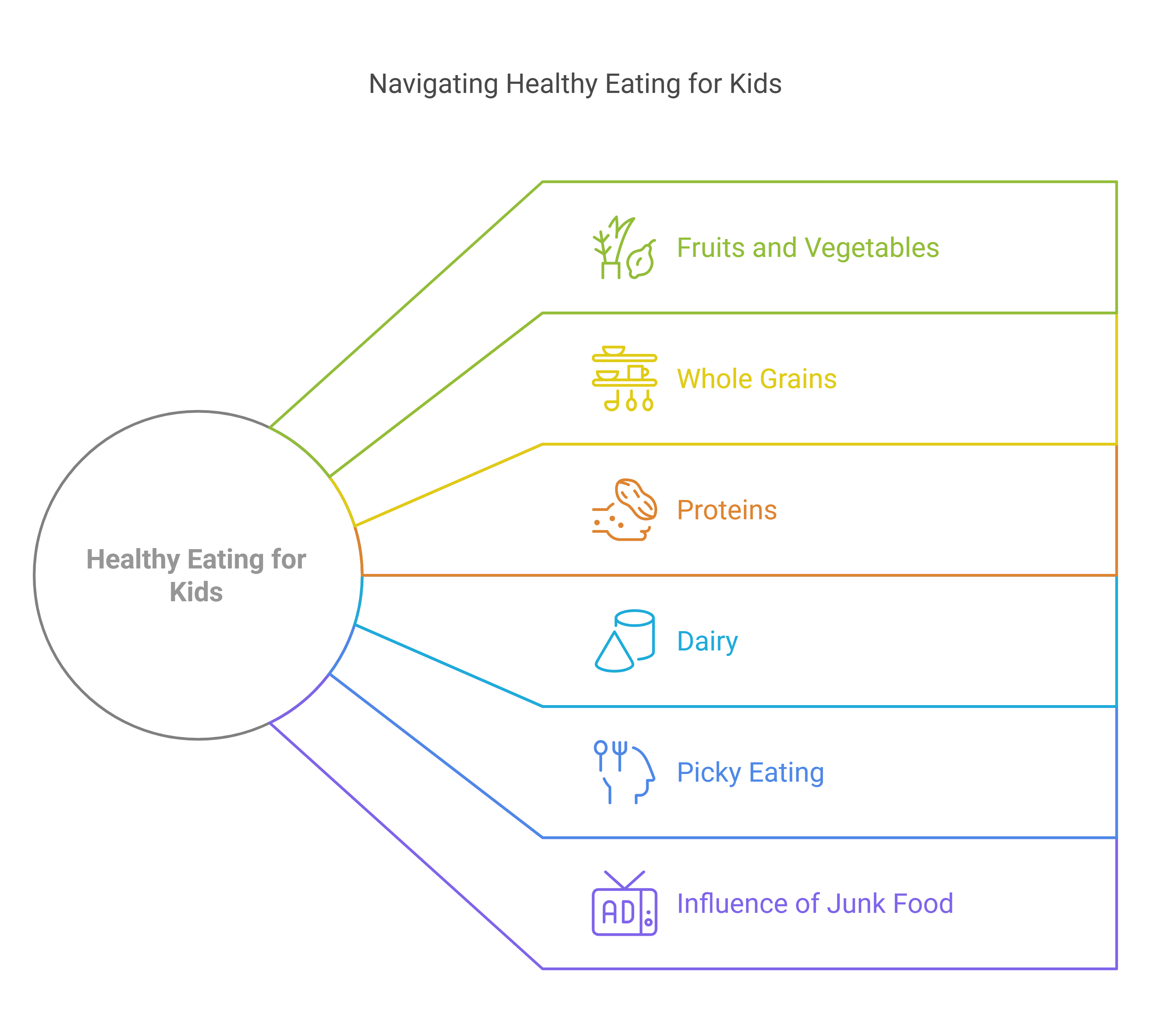
Healthy eating for kids revolves around a balanced diet that includes:
- Fruits and Vegetables: Aim for a variety of colors to ensure diverse nutrient intake.
- Whole Grains: Opt for whole wheat bread, brown rice, and oats instead of refined grains.
- Proteins: Include lean meats, beans, nuts, and eggs for muscle and brain development.
- Dairy: Provide milk, cheese, and yogurt for strong bones and teeth.
Balanced Diet Breakdown
| Food Group | Examples | Daily Portions |
| Fruits & Veggies | Apples, carrots, spinach | 5 servings (2 cups each) |
| Whole Grains | Brown rice, oats, quinoa | 3-5 servings |
| Proteins | Chicken, beans, eggs | 2-3 servings |
| Dairy | Milk, yogurt, cheese | 2-3 servings |
Portion sizes should align with a child’s age and activity level.
The “plate method” is a helpful guideline: half the plate should be fruits and vegetables, one-quarter proteins, and the remaining quarter whole grains.
Common Challenges Parents Face
Many parents struggle to encourage healthy eating habits in kids due to:
- Picky Eating: Children often resist unfamiliar foods or flavors.
- Peer Pressure and Advertising: Junk food advertisements and social influences can undermine healthy choices.
- Busy Lifestyles: Limited time can lead to reliance on convenience foods.
Common Challenges and Solutions
| Challenge | Solution |
| Picky Eating | Gradually introduce new foods with familiar ones |
| Influence of Junk Food | Limit exposure to ads and stock healthy snacks |
| Busy Schedules | Plan and prep meals in advance |
How to Encourage Healthy Eating Habits in Kids: 10 Simple Ways
Healthy eating habits can be nurtured through consistency, creativity, and family involvement, setting children up for a lifetime of nutritious choices.
Let’s get into 10 Simple Ways to Encourage Healthy Eating Habits in Kids:
1. Lead by Example
Children are more likely to adopt healthy eating habits if they see their parents doing the same.
- Be a Role Model: Regularly eat a variety of healthy foods in front of your kids.
- Share Meals Together: Family meals create opportunities to demonstrate healthy eating behaviors and discuss the importance of nutrition.
Practical Example:
If parents choose water over soda at dinner, kids will likely mimic this choice. Highlight the benefits of this decision in casual conversation, such as “Water keeps us hydrated and helps our body stay healthy.”
2. Make Healthy Foods Fun and Appealing
Transform healthy eating into an enjoyable experience:
- Create colorful plates with a variety of fruits and vegetables.
- Arrange food into fun shapes, such as smiley faces or animal designs.
- Let kids use cookie cutters to shape sandwiches or fruits.
Creative Snack Ideas
| Snack Idea | Description |
| Fruit Kabobs | Skewers with strawberries, grapes, and pineapple |
| Veggie Faces | Plates decorated with cucumber eyes, pepper mouths |
| DIY Smoothie Bowls | Kids add toppings like granola and berries |
3. Involve Kids in Meal Planning and Preparation
Kids are more likely to eat what they help prepare.
- Allow them to choose recipes and pick out ingredients at the grocery store.
- Assign simple kitchen tasks like washing vegetables or stirring ingredients.
- Discuss the nutritional value of ingredients as you cook together.
Tip:
Create a “Kid’s Recipe Book” where your child can keep their favorite meal ideas. Let them add stickers or doodles for personalization.
Example:
If your child loves pizza, involve them in making a healthy version at home using whole-grain crust, tomato sauce, and plenty of veggie toppings.
4. Create a Routine Around Meals and Snacks
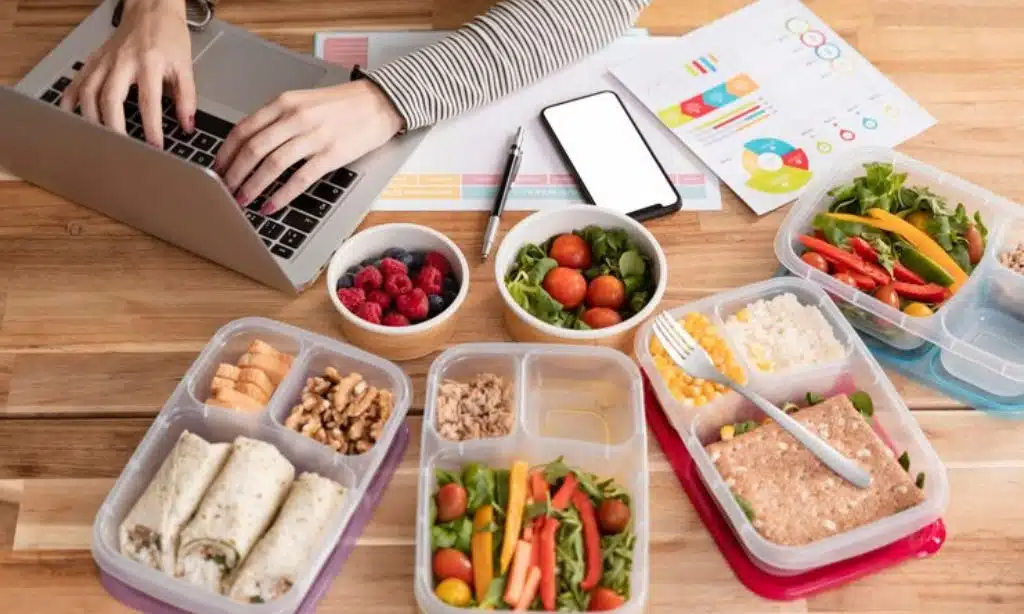
Consistency helps establish healthy eating habits in kids:
- Set Regular Meal Times: Eating at the same times each day helps regulate appetite.
- Offer Healthy Snacks: Provide nutrient-dense options like yogurt, nuts, and fruit between meals.
Example Schedule:
| Time | Activity | Snack/Meal Suggestion |
| 7:30 AM | Breakfast | Whole-grain toast & eggs |
| 10:00 AM | Morning Snack | Apple slices with peanut butter |
| 12:30 PM | Lunch | Turkey sandwich & veggies |
| 3:00 PM | Afternoon Snack | Yogurt with granola |
| 6:00 PM | Dinner | Grilled chicken with quinoa & broccoli |
5. Offer a Variety of Foods
Introduce new foods alongside familiar ones to broaden your child’s palate:
- Rotate proteins, grains, and vegetables to maintain interest.
- Encourage kids to try at least one bite of a new food.
- Use fun names for dishes, like “power-packed broccoli bites.”
Pro Tip:
Make a “taste test day” where kids rank different healthy foods, making the process interactive and less intimidating.
6. Limit Sugary Drinks and Snacks
Excess sugar can contribute to weight gain and poor health. To encourage healthy eating habits in kids:
- Replace sugary drinks with water, milk, or herbal teas.
- Offer natural sweet treats like fruit or unsweetened yogurt instead of candies.
Healthy Drink Alternatives
| Unhealthy Drink | Healthy Replacement |
| Soda | Sparkling water with lime |
| Sugary Juices | Freshly squeezed juice |
| Sweetened Tea | Herbal iced tea |
7. Practice Positive Reinforcement
Rewarding effort, not just outcomes, can reinforce good habits. Positive reinforcement is a powerful tool to encourage healthy eating habits in kids and make mealtimes more enjoyable.
- Praise kids for trying new foods or making healthy choices. Highlight their bravery and willingness to experiment with different tastes.
- Use non-food rewards like stickers, extra playtime, or a family activity to create excitement around healthy eating.
Example:
“Great job trying those carrots today! Let’s play your favorite game as a reward.” Such moments show appreciation and motivate kids to continue exploring nutritious options.
Tip:
Create a “Healthy Choices Jar” where kids earn small rewards for each new healthy food they try. Over time, they can redeem these points for larger rewards like a special family outing.
8. Avoid Forcing or Bribing Kids to Eat
Pressure often backfires, leading to resistance or unhealthy relationships with food. Instead, focus on creating a relaxed mealtime atmosphere.
- Respect their hunger cues—don’t force them to clean their plate, as this can lead to overeating.
- Avoid offering desserts as a reward for finishing meals, as this can place unhealthy emphasis on treats over nutritious foods.
Practical Advice:
Allow kids to decide when they’ve had enough to eat, but encourage them to explore different food groups at their own pace. For instance, say, “You don’t have to eat all of it, but could you try one bite?”
9. Educate Kids About Nutrition
Help kids understand the “why” behind their choices. Knowledge about food can empower them to make informed decisions and foster a sense of independence.
- Teach them about food groups and their benefits with age-appropriate language.
- Use engaging tools like food pyramids, interactive apps, or online videos to make learning fun.
- Discuss the importance of “eating the rainbow” for vitamins and minerals, emphasizing the value of colorful fruits and vegetables.
Example Activity:
Create a “Rainbow Chart” where kids can check off each color of food they eat in a day. This gamifies the process and helps them see their progress visually.
Fact:
Studies indicate that children who understand the benefits of healthy eating are 35% more likely to make nutritious choices independently as they grow older.
10. Minimize Junk Food at Home
Out of sight, out of mind. By reducing the availability of junk food at home, you can create an environment where healthy options are the default.
- Stock your kitchen with healthy options like nuts, whole-grain snacks, and fresh fruit. Ensure there are appealing choices available for kids to grab when they’re hungry.
- Allow occasional treats, teaching moderation rather than restriction. Complete bans on junk food can backfire, leading to cravings or secret consumption.
Key Tip:
When grocery shopping, stick to the store’s perimeter, where fresh produce, dairy, and meats are located.
This strategy helps minimize exposure to processed snacks commonly displayed in central aisles.
Healthy Substitutions for Junk Food
| Junk Food | Healthy Alternative |
| Potato Chips | Air-popped popcorn |
| Candy | Fresh fruit or trail mix |
| Ice Cream | Frozen yogurt or smoothie |
Interactive Ideas to Promote Engagement
Fun Activities for Kids
- Weekly Healthy Food Challenge: Challenge kids to try one new healthy food each week.
- Cooking Nights: Host a family cook-off featuring healthy recipes.
Activity Idea:
Host a “Build Your Plate” contest where kids create balanced meals using toy food models or drawings.
Use Visual Aids
- Food Charts: Use a chart to track daily servings of fruits, vegetables, and proteins.
- Reward Systems: Create a sticker chart to celebrate healthy eating milestones.
Takeaways
Encouraging healthy eating habits in kids takes time, patience, and consistency. By implementing these strategies, parents can make nutritious eating a positive and integral part of daily life.
Remember, small steps lead to lasting change, and every effort contributes to your child’s lifelong health. Have your own tips to encourage healthy eating habits in kids? Share them in the comments below!