
When it comes to home improvements, choosing eco-friendly paints and finishes is one of the best ways to ensure both a beautiful and healthy living environment.
Whether you’re tackling a small DIY project or giving your entire home a fresh look, eco-friendly paints and finishes offer a safer alternative to traditional products.
Not only do these paints contribute to improved indoor air quality, but they also help minimize your environmental footprint by using non-toxic ingredients and sustainable practices.
In this comprehensive guide, we’ll walk you through the essential factors to consider when selecting eco-friendly paints and finishes, offering expert tips, actionable advice, and insights that make it easy to create a greener, more sustainable home.
What Makes Paints and Finishes Eco-Friendly?
Understanding what makes paints and finishes eco-friendly is essential before making a purchase.
Eco-friendly paints and finishes are formulated with ingredients that are safer for both human health and the environment. These paints are free from harmful chemicals such as VOCs (volatile organic compounds) and are made using sustainable practices, often from renewable resources.
Understanding Low-VOC and No-VOC Eco-Friendly Paints
Eco-friendly paints and finishes are often categorized by their VOC content. VOCs are chemicals that evaporate into the air during and after the application of traditional paints. This can lead to poor indoor air quality and contribute to environmental pollution.
- Low-VOC Paints: These paints contain a reduced amount of VOCs (usually less than 50 grams per liter), significantly improving indoor air quality and reducing health risks.
- No-VOC Paints: These paints contain zero VOCs, making them the safest option for your home environment.
Example: Benjamin Moore’s Natura line is a popular choice for homeowners seeking eco-friendly paints and finishes. It is made with no VOCs and is certified asthma & allergy-friendly by the Asthma and Allergy Foundation of America (AAFA).
Table: Comparison of VOC Content in Paints
| Paint Type | VOC Content (g/L) | Characteristics | Example Brands |
| Traditional Paint | 200+ | High VOC content, health risks | Behr Premium Plus |
| Low-VOC Paint | 50 or below | Reduced indoor air pollution, safer | Benjamin Moore Aura, Sherwin-Williams Harmony |
| No-VOC Paint | 0 | Ideal for sensitive individuals | Benjamin Moore Natura, Farrow & Ball |
Natural vs. Synthetic Eco-Friendly Paints and Finishes
While many paints are labeled as “eco-friendly,” it’s crucial to understand the distinction between natural and synthetic options.
- Natural Paints: Made from organic ingredients such as plant oils, minerals, and resins, natural paints are non-toxic and biodegradable. These paints are great for reducing chemical exposure in your home.
Example: Milk Paint is a natural, eco-friendly paint made from simple ingredients like milk protein (casein), lime, and natural pigments. It’s a great non-toxic choice for walls, furniture, and decor. - Synthetic Paints: These paints, while not always eco-friendly, have come a long way in reducing harmful substances. Many synthetic brands now offer Low-VOC and No-VOC options, making them safer for both health and the environment.
Why Choosing Eco-Friendly Paints and Finishes is Important?
Choosing eco-friendly paints and finishes isn’t just about making your walls look great; it’s also about protecting the health of those who live in your home and reducing your environmental impact. Here’s why eco-friendly paints matter:
Impact on Indoor Air Quality
One of the most significant advantages of eco-friendly paints and finishes is their positive impact on indoor air quality. Traditional paints release VOCs that can linger in the air long after the painting is done. These toxic chemicals can cause headaches, dizziness, and other respiratory issues.
- Healthier Environment: Eco-friendly paints and finishes, particularly those with low or zero VOC content, are a much safer choice for maintaining clean, breathable air inside your home.
Case Study: Improved IAQ with Eco-Friendly Paints and Finishes
In a study conducted by the Environmental Protection Agency (EPA), homes that used eco-friendly paints and finishes saw a marked reduction in indoor air pollution, leading to fewer health complaints like respiratory problems. This highlights the importance of selecting non-toxic paint products, especially for those with sensitive health conditions.
Sustainability and Environmental Protection
Eco-friendly paints also benefit the planet. Traditional paints often contain harmful chemicals that are detrimental to both the environment and human health. By choosing eco-friendly paints and finishes, you help reduce the carbon footprint of paint production and avoid contributing to pollution.
- Reducing Environmental Impact: Eco-friendly paints and finishes are often produced with sustainable materials, reduce the use of non-renewable resources, and are designed with the environment in mind. Brands that prioritize using recycled materials for packaging or renewable energy in production are taking steps to protect our planet.
Trends in Eco-Friendly Paints
The demand for eco-friendly paints and finishes is growing rapidly, with industry reports indicating that the green paint market is expected to expand by 5.5% annually until 2028. More and more homeowners are choosing eco-friendly alternatives, driven by environmental consciousness and the desire for healthier living spaces.
Environmental Impact of Eco-Friendly Paints and Finishes
| Factor | Traditional Paint | Eco-Friendly Paints and Finishes |
| Carbon Emissions | High | Lower, renewable energy used |
| Packaging | Non-recyclable plastic | Recycled or recyclable materials |
| Chemical Runoff | Risk of contamination | Non-toxic, biodegradable ingredients |
| Sourcing | Petroleum-based | Plant-based, renewable resources |
7 Expert Tips for Choosing Eco-Friendly Paints and Finishes
Now that you understand the importance of eco-friendly paints and finishes, let’s dive into seven expert tips for selecting the best options for your next home project.
Tip #1: Look for Certifications and Labels
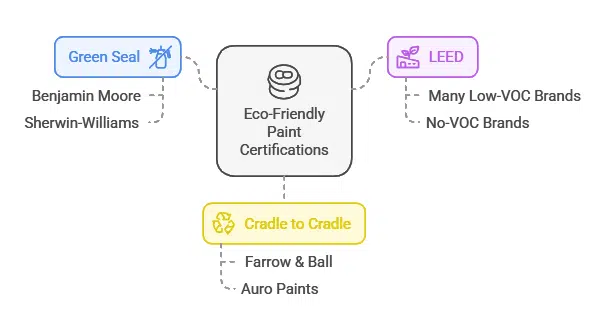
When shopping for eco-friendly paints and finishes, certifications are your best friend. These eco-certifications ensure that the products meet strict environmental and health standards.
- Green Seal: Ensures the product meets environmental and health standards, including low VOC content.
- LEED: Paints with this certification help contribute to LEED points for building sustainability.
- Cradle to Cradle: Paints with this certification are made from renewable, recyclable materials.
Certifications for Eco-Friendly Paints and Finishes
| Certification | Criteria | Example Brands |
| Green Seal | Low VOCs, non-toxic ingredients, minimal waste | Benjamin Moore, Sherwin-Williams |
| LEED | Contributes to sustainable building certifications | Many Low-VOC and No-VOC brands |
| Cradle to Cradle | Focus on recyclability, renewable materials | Farrow & Ball, Auro Paints |
Tip #2: Opt for Water-Based Eco-Friendly Paints and Finishes
Water-based paints are a great eco-friendly option because they contain fewer chemicals, dry faster, and are easier to clean.
- Why Water-Based: Water-based paints use water as the main solvent, reducing the environmental impact of solvents found in traditional oil-based paints. They also have a significantly lower VOC content, making them safer for your health.
Example: Sherwin-Williams Harmony is a water-based, Low-VOC paint that’s ideal for homes with children and pets.
Tip #3: Consider the Durability of the Finish
An eco-friendly paint that is durable will not only look great but will also last longer, reducing the need for touch-ups and future applications.
- Why Durability Matters: Durability is essential for reducing waste. The longer the paint lasts, the fewer resources are needed for repainting.
Durability of Eco-Friendly Paints and Finishes
| Paint Type | Durability | Best for |
| Matte | Less durable, easily scuffed | Ceilings, low-traffic areas |
| Satin | Moderate durability, resistant to dirt | Living rooms, hallways |
| Gloss | Very durable, easy to clean | High-traffic areas, kitchens |
Tip #4: Check the Ingredients List for Toxic Chemicals
Always check the ingredients list to ensure that your eco-friendly paints and finishes are free from harmful chemicals like formaldehyde, benzene, and toluene.
- What to Avoid: Stick to paints that are free from phthalates, formaldehyde, and other harmful chemicals often found in conventional paints.
Tip #5: Choose Paints with Minimal Packaging
Packaging plays a significant role in reducing waste, so opt for eco-friendly paints and finishes that come in recyclable or reusable packaging.
- Sustainability Tip: Look for brands that use post-consumer recycled materials or offer refillable options.
Tip #6: Evaluate the Product’s Carbon Footprint
Consider the carbon footprint of the paint. Many eco-friendly paints and finishes are made with renewable energy, which lowers their overall carbon footprint.
- Actionable Insight: Brands like Auro Paints use 100% renewable energy in their production, making them an excellent choice for eco-conscious homeowners.
Tip #7: Test Samples Before Committing to Full Application
Before purchasing a large amount of eco-friendly paint, always test a sample to ensure it performs well in your space. This helps avoid unnecessary waste if the paint doesn’t meet your expectations.
Final Thoughts: Make the Eco-Friendly Paints and Finishes Choice for Your Home
Choosing eco-friendly paints and finishes is a great way to reduce your environmental impact and create a healthier, more sustainable living space. With numerous options available in the market today, it’s easier than ever to find paints that are both stylish and environmentally responsible.
By following these expert tips, you can ensure your next painting project aligns with your sustainability goals, enhances the air quality in your home, and supports a cleaner planet for future generations.
Make the switch to eco-friendly paints and finishes today, and start enjoying the many benefits they offer for your health, home, and the environment.