

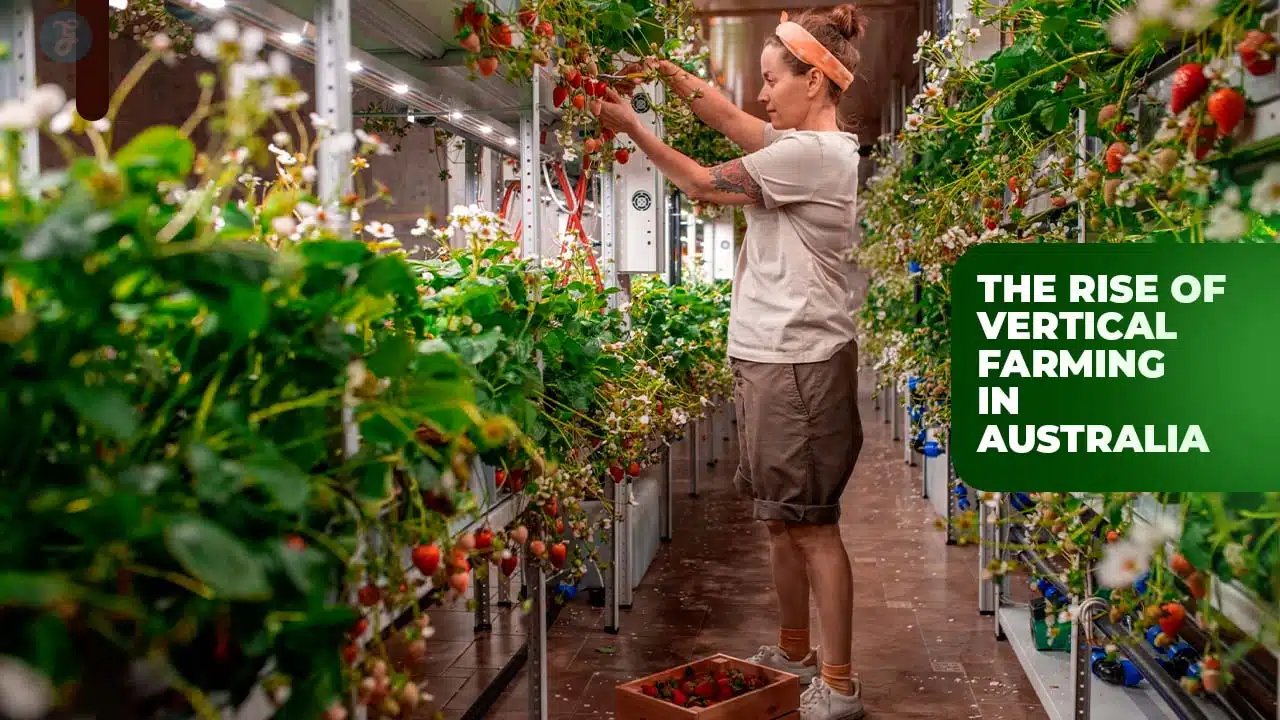
Agriculture is at a crossroads in Australia. With increasing urbanization, shrinking arable land, and the pressing need for sustainable food production, the country faces significant challenges in meeting its growing population’s dietary needs.
Enter Vertical Farming in Australia, an innovative solution poised to revolutionize the agricultural landscape. This method involves growing crops in vertically stacked layers, often incorporating advanced technologies such as hydroponics, aeroponics, and artificial lighting to optimize plant growth.
As a forward-thinking approach, vertical farming offers a sustainable alternative to traditional methods, significantly reducing resource usage while boosting productivity.
Its application in Australia presents opportunities to address local challenges while aligning with global agricultural trends.
What Is Vertical Farming?
Definition and Concept of Vertical Farming
Vertical farming refers to cultivating crops in vertically stacked layers, often in controlled indoor environments. It leverages advanced techniques like hydroponics (growing plants in nutrient-rich water), aeroponics (using air or mist to deliver nutrients), and soil-less mediums to maximize yield per square meter. Unlike traditional farming, vertical farming minimizes reliance on soil and large tracts of arable land.
| Key Benefits of Vertical Farming | Details |
| Land Efficiency | Maximizes production in minimal space, ideal for urban areas. |
| Water Conservation | Uses up to 95% less water than traditional farming methods. |
| Controlled Environment | Protects crops from pests, diseases, and weather extremes. |
| Year-Round Production | Facilitates consistent crop cycles without seasonal limitations. |
Why Vertical Farming Is Gaining Popularity Globally
The concept of vertical farming has captured global attention due to its potential to solve critical agricultural challenges. Some key drivers include:
- Food Security: Growing urban populations demand innovative solutions to feed millions sustainably.
- Resource Efficiency: Vertical farming reduces water usage by up to 95% compared to traditional farming.
- Climate Resilience: Indoor environments protect crops from extreme weather conditions.
- Technological Advancement: Increasing adoption of AI and IoT has streamlined vertical farming operations, making it more efficient and cost-effective.
| Global Growth Indicators | Key Statistics |
| Vertical Farming Market Value | $7.3 billion globally in 2023, projected to grow 25% annually. |
| Water Savings | Up to 95% less water used compared to traditional farming. |
| Yield Increase | 390 times higher yield per square meter in optimized systems. |
Why Australia Is a Key Market for Vertical Farming
Australia’s Agricultural Challenges
Australia faces unique agricultural challenges that make vertical farming an attractive solution:
- Drought and Water Scarcity: With a history of severe droughts, efficient water use is critical.
- Land Scarcity: Urbanization and soil degradation have limited the availability of arable land.
- Unpredictable Climate: Rising temperatures and erratic weather patterns hinder consistent crop production.
| Challenges | Traditional Farming Impact | Vertical Farming Solution |
| Water Scarcity | High water consumption | Minimal water usage due to recycling |
| Land Degradation | Requires large tracts of arable land | Needs only small indoor spaces |
| Climate Unpredictability | Vulnerable to droughts and storms | Controlled indoor environments |
Growing Demand for Sustainable Farming Solutions
Consumers in Australia are increasingly demanding sustainably produced food. Vertical farming aligns with these expectations by providing pesticide-free, locally grown produce with minimal environmental impact. The growing preference for farm-to-table produce and organic food further drives its adoption.
| Consumer Trends | Statistics |
| Organic Food Market Growth | Expected CAGR of 13.4% from 2023-2030 in Australia. |
| Farm-to-Table Preferences | 72% of Australians prefer locally sourced, fresh produce. |
Alignment with Australia’s Green Initiatives
The Australian government’s commitment to reducing carbon emissions and promoting green technologies provides a supportive policy framework for vertical farming projects. Incentives for renewable energy and innovations in agriculture make vertical farming an integral part of the country’s sustainability strategy.
Opportunities for Vertical Farming in Australia
Addressing Australia’s Food Security Needs
- Urban Population Growth: With cities like Sydney and Melbourne experiencing rapid growth, urban farms can cater to local markets, reducing food miles and enhancing freshness.
- Reducing Dependence on Imports: Vertical farming can reduce Australia’s reliance on imported fruits and vegetables, ensuring greater food independence.
| Food Security Benefit | Description |
| Local Supply Chain | Reduces dependence on long-haul imports for fresh produce. |
| Quality Control | Ensures consistent quality through controlled environments. |
| Resilience | Improves food availability during global supply disruptions. |
Leveraging Technology for Efficient Farming
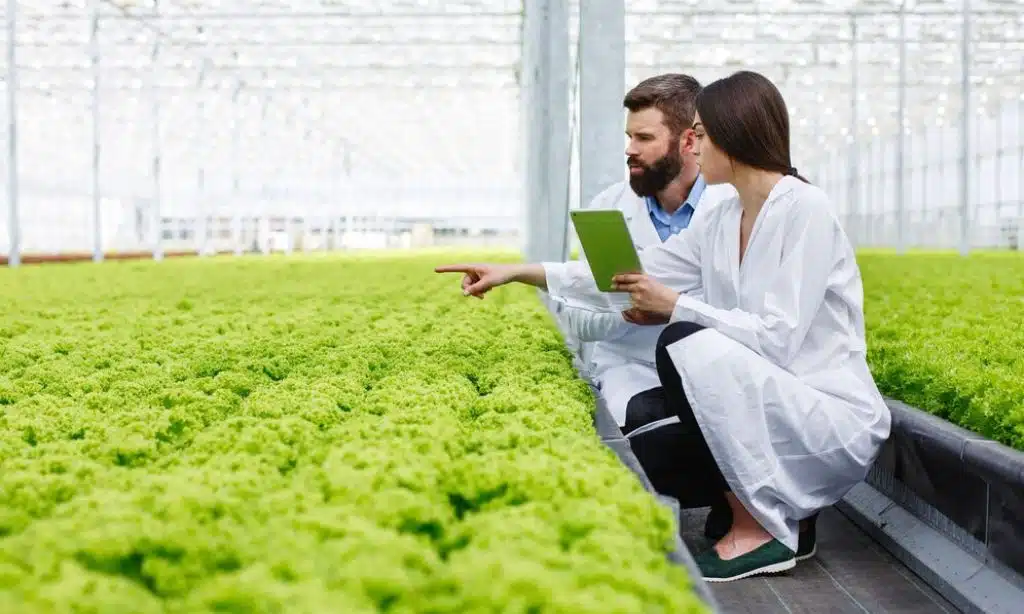
- Role of AI and IoT: Advanced technologies such as AI-driven monitoring systems and IoT-enabled sensors optimize crop conditions and resource use. Real-time analytics ensure precision farming.
- Energy-Efficient Lighting: Innovations in LED lighting systems have significantly reduced energy costs while enhancing plant growth, allowing 24/7 cultivation cycles.
| Technology | Impact on Vertical Farming |
| AI and Machine Learning | Improves crop yield predictions and resource management. |
| IoT Integration | Automates environmental controls and data monitoring. |
| Renewable Energy | Reduces operational costs and carbon footprint. |
Sustainability and Environmental Benefits
- Water Conservation: Vertical farming uses up to 95% less water than traditional methods by recycling and reusing water. This is critical in drought-prone regions.
- Carbon Footprint Reduction: Locally grown produce reduces transportation-related emissions.
- Land Use Efficiency: Vertical farms require significantly less space, making them ideal for urban environments.
| Sustainability Metric | Impact |
| Water Usage Reduction | Saves up to 380,000 liters of water annually per hectare. |
| Emission Reductions | Cuts food transport emissions by 50% in urban centers. |
Economic Potential of Vertical Farming
- Job Creation: The establishment of vertical farms in urban areas can create jobs across the supply chain, including technology development, farming, and distribution.
- Investment Opportunities: Vertical farming attracts significant interest from agritech startups and investors, with global funding for the sector surpassing $1 billion in 2024.
- Export Potential: High-quality, locally grown produce can tap into lucrative export markets, especially in Asia.
| Economic Benefit | Details |
| Employment Opportunities | Expands skilled and unskilled labor markets. |
| Investor Interest | Attracts funding for innovative agritech solutions. |
| Export Revenue Potential | Enhances Australia’s agricultural exports portfolio. |
Challenges Facing Vertical Farming in Australia
High Initial Investment Costs
- Infrastructure Expenses: Setting up a vertical farm involves substantial costs for building, technology, and equipment.
- Funding Barriers: Small farmers and startups may struggle to access necessary capital, though government grants and private investments are increasing.
| Cost Component | Estimated Expense (AUD) |
| Infrastructure Setup | $500,000 – $1,000,000 |
| Technology Installation | $100,000 – $300,000 |
| Operational Costs | $50,000 – $100,000 annually |
Energy Consumption and Dependency
- Renewable Energy Costs: While vertical farms aim to be energy-efficient, reliance on renewable energy can be expensive.
- Optimization Needs: Continuous efforts are required to minimize energy consumption without compromising yield.
Technological and Skill Gaps
- Expertise Shortage: Specialized training in vertical farming techniques is limited in Australia.
- Training Programs: Developing educational initiatives to upskill workers is essential for industry growth.
| Skills Required | Current Gaps in Australia |
| Hydroponics Expertise | Limited access to training centers. |
| Data Analytics for Farms | Lack of integration with agricultural courses. |
| Renewable Energy Usage | Few programs focused on energy-efficient farming. |
Market Penetration Challenges
- Consumer Awareness: Educating the public about the benefits of vertical farming is crucial for market acceptance.
- Traditional Farming Competition: Vertical farming must compete with the well-established traditional agricultural sector.
- Regulatory Barriers: Navigating complex policies and standards can pose challenges for new entrants.
| Barriers | Impact |
| Low Public Awareness | Slows adoption despite sustainability benefits. |
| High Initial Costs | Discourages small-scale adoption. |
Case Studies and Examples
Successful Vertical Farming Projects in Australia
- Urban Farms: Cities like Sydney and Melbourne host innovative vertical farming projects supplying fresh produce locally.
- Leading Agritech Companies: Australian companies such as Sprout Stack and Eden Green Technology are pioneering the industry.
Lessons from Global Vertical Farming Leaders
- Singapore: The city-state’s government-backed initiatives demonstrate the value of policy support.
- United States: Innovations in automation and large-scale operations offer inspiration for Australian projects.
| Global Example | Key Takeaway for Australia |
| Singapore’s Policies | Importance of government incentives. |
| U.S. Agritech Models | Efficiency through automation and scaling. |
Future of Vertical Farming in Australia
Emerging Trends in Vertical Farming
- Integration with Smart Cities: Vertical farms are becoming integral components of urban planning.
- Climate-Resilient Crops: Focusing on crops that thrive in controlled environments will enhance yields.
| Trend | Impact on Future Farms |
| Smart City Integration | Optimizes space and boosts local food supply. |
| Crop Resilience | Increases variety and quality of produce. |
Policy and Regulatory Support Needed
- Subsidies: Financial incentives can encourage adoption of vertical farming.
- Public-Private Partnerships: Collaboration between government and private sectors can accelerate growth.
| Policy Initiative | Potential Impact |
| Renewable Energy Grants | Offsets operational costs for vertical farms. |
| Industry Training Funds | Enhances workforce readiness for new systems. |
Takeaway
Vertical farming in Australia represents a transformative approach to agriculture, offering solutions to pressing challenges like water scarcity, climate unpredictability, and urbanization.
While the opportunities are immense, addressing challenges such as high costs and market penetration will be key to unlocking its full potential. By fostering innovation, building public awareness, and implementing supportive policies, Australia can lead the way in sustainable, tech-driven farming.
Now is the time to invest in vertical farming’s promising future, ensuring a resilient and sustainable food system for generations to come.
For more insights into innovative farming and sustainability practices, visit Editorialge.






















