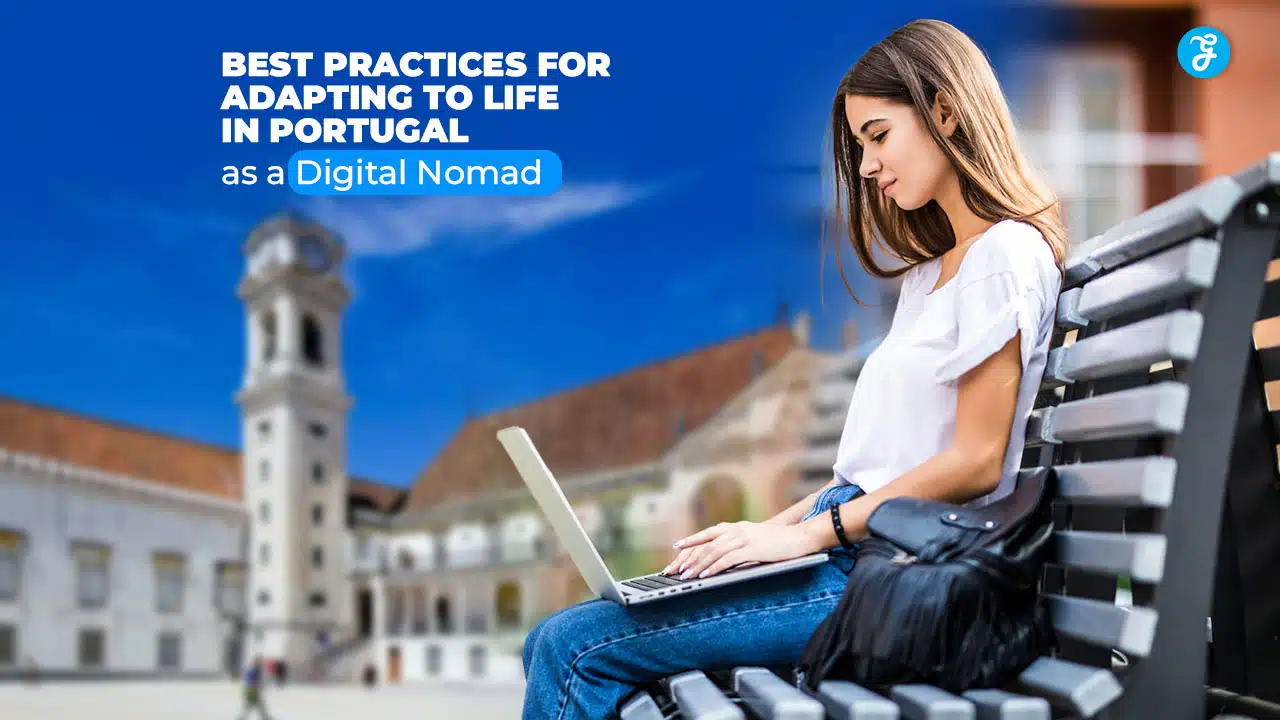
Portugal has emerged as a premier destination for digital nomads, offering a unique mix of scenic beauty, rich cultural heritage, and a welcoming environment for remote workers. From vibrant cities like Lisbon and Porto to tranquil islands like Madeira, Portugal has something for everyone. However, moving to a new country requires adaptation, especially if you’re planning to stay for an extended period.
This guide covers 20 best practices for adapting to life in Portugal as a digital nomad. Whether you’re just arriving or planning to make Portugal your long-term home, these tips will ensure a smoother transition and a rewarding experience.
Best Practices for Adapting to Life in Portugal
Moving to Portugal can be an exciting adventure, but adapting to a new culture takes time and effort. Here are some best practices to help you settle in smoothly.
1. Learn Basic Portuguese

Although many people in urban areas speak English, learning Portuguese will enrich your experience and help you integrate better. Start with simple phrases like:
- Bom dia (Good morning)
- Por favor (Please)
- Obrigado/Obrigada (Thank you)
Resources: Apps like Duolingo or Babbel, local language schools, and language exchange meetups can speed up your learning.
2. Understand Visa and Residency Requirements
Portugal offers several visa options for digital nomads, including the Digital Nomad (D8) Visa. Once you arrive, register with SEF (Serviço de Estrangeiros e Fronteiras) to obtain a residence permit. Ensure you understand renewal requirements if you plan to stay long-term.
3. Research and Choose the Right City
Portugal has a variety of cities, each catering to different preferences:
- Lisbon: Ideal for those who love a bustling urban environment.
- Porto: Known for its charm and affordability.
- Madeira: A hotspot for digital nomads with its “Digital Nomad Village.”
- Algarve: Perfect for beach lovers.
Consider factors like cost of living, internet reliability, and lifestyle preferences when choosing your base.
4. Get Familiar with Local Laws
Understand the key laws governing your stay, including:
- Health insurance requirements.
- Driving regulations, especially if you plan to use a foreign license.
- Tax obligations, which might vary based on your visa and income source.
5. Build a Support Network
Joining communities can ease the transition. Platforms like Meetup and Facebook groups such as “Expats in Portugal” connect you with like-minded individuals. Coworking spaces also foster professional and social connections.
6. Explore Local Culture
Dive into Portuguese traditions by attending local festivals like Santo António in Lisbon or São João in Porto. Savor local dishes such as bacalhau and pastel de nata, and enjoy Portuguese wine, particularly from the Douro Valley.
7. Manage Your Finances Wisely

Open a Portuguese bank account to simplify local transactions. Use international money transfer services like Wise or Revolut to avoid high fees. Budget effectively, especially if you’re living in cities like Lisbon, where costs can be higher.
8. Understand the Healthcare System
Portugal provides excellent healthcare. Once you receive your residence permit, register for public healthcare with a Número de Utente. Consider private insurance for faster access and broader coverage.
9. Find Suitable Accommodation
Options include:
- Short-term rentals: Great for flexibility (Airbnb, coliving spaces).
- Long-term leases: Use platforms like Idealista or OLX.
- Coliving: Ideal for meeting fellow nomads while sharing expenses.
Negotiate rental contracts and understand local tenancy laws before signing.
10. Stay Productive as a Remote Worker
Portugal offers plenty of coworking spaces, like Second Home in Lisbon and Porto i/o in Porto. Ensure your accommodation has reliable internet, and keep backup mobile data plans handy.
11. Adopt a Sustainable Lifestyle
Portugal takes sustainability seriously. Recycle properly, reduce energy usage, and support local eco-friendly businesses. Public transportation and biking are efficient, green ways to get around.
12. Embrace Work-Life Balance
Portugal is known for its relaxed pace of life. Take time to explore the outdoors, try surfing in Nazaré, or hike in the Algarve. Weekends are perfect for discovering nearby villages or indulging in cultural experiences.
13. Explore the Country
Don’t limit yourself to one city! Visit iconic spots like Sintra, the Algarve, and the Azores. Use Portugal’s excellent public transport system or rent a car for more remote destinations.
14. Prepare for Bureaucratic Processes

Bureaucracy in Portugal can be slow. Prepare your documents meticulously and schedule appointments early. Patience and organization are key to navigating visa renewals, tax filings, and healthcare registrations.
15. Stay Connected with Family and Friends
Keep communication seamless with tools like Zoom or WhatsApp. Plan regular check-ins with loved ones and maintain a healthy work-life-social balance.
16. Take Care of Your Mental and Physical Health
Transitioning to a new country can be overwhelming. Join gyms or yoga studios, and take advantage of Portugal’s wellness retreats. For mental health, connect with expat support groups or local therapists.
17. Learn About Portuguese Taxation
Portugal offers attractive tax regimes for digital nomads, such as the Non-Habitual Residency (NHR) program. Seek advice from local tax consultants to ensure compliance and optimize your tax benefits.
18. Prepare for Cultural Differences
Portugal has a slower pace of life, especially in smaller towns. Adjust to meal times, with lunch often lasting two hours, and understand the Portuguese concept of saudade (a deep emotional state often linked to longing or nostalgia).
19. Stay Updated on Local News
Keep up with Portuguese news to stay informed about local events, laws, and cultural happenings. English-language platforms like The Portugal News are great resources.
20. Enjoy the Journey and Be Open-Minded
Adapting to a new culture takes time, but it’s an enriching experience. Embrace the quirks, celebrate milestones, and make the most of your time in Portugal. The country’s charm lies in its people, culture, and breathtaking landscapes—immerse yourself in all it offers.
Takeaways
Adapting to life in Portugal as a digital nomad can be a rewarding experience if approached with the right mindset and preparation. These 20 best practices cover everything from learning the language to managing finances and immersing yourself in the culture. With patience, curiosity, and an open mind, you’ll find yourself thriving in one of the world’s most beautiful countries. Welcome to Portugal—your new home away from home!