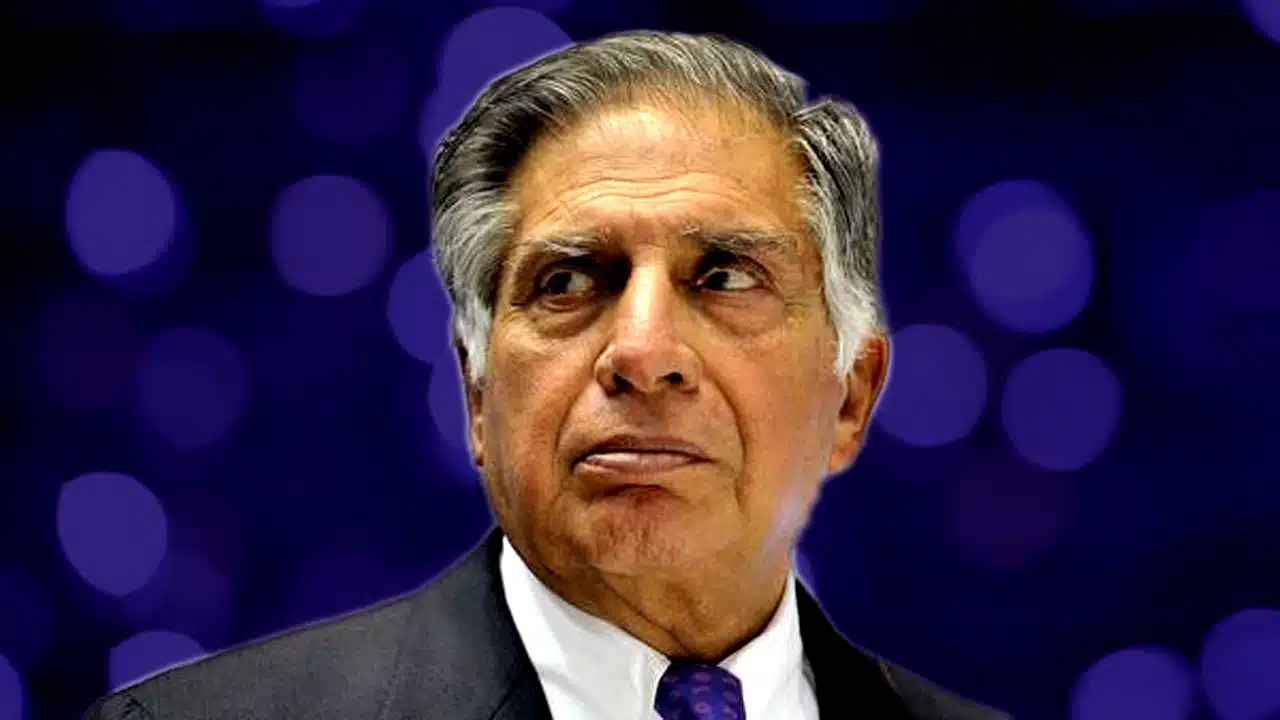
Ratan N Tata, one of India’s most respected and beloved industrialists, has left behind a legacy that will be remembered for generations. He changed millions of lives in India and abroad through his philanthropy and Tata Group growth.
Known for his humility, vision, and ethical leadership, Tata touched the heart of the nation. Below are ten key facts about this remarkable figure.
1. Respected Leader with Ethical Values
People widely admired Ratan Tata for his integrity and ethical leadership. Throughout his career, he led with a unique blend of humility and compassion. These qualities earned him immense respect, not only in India but also on the global stage.
His leadership was characterized by fairness and a deep sense of responsibility toward both his employees and society.
2. Philanthropic Contributions
Beyond the world of business, Ratan Tata was deeply committed to giving back to society. His philanthropic efforts spanned various sectors, particularly education, healthcare, and rural development.
Through the Tata Trusts, he impacted millions of lives by funding scholarships, improving healthcare infrastructure, and supporting rural communities. His dedication to uplifting the underprivileged is a core part of his legacy.
3. Recipient of the Padma Vibhushan
In 2008, Ratan Tata received the Padma Vibhushan, India’s second-highest civilian award, in recognition of his contributions to industry and society.
This prestigious honor was a testament to his influence as both a business leader and a humanitarian, acknowledging his far-reaching impact across various sectors.
4. Chairmanship of Tata Group
Ratan Tata took over the reins of the Tata Group in 1991 as Chairman, a role he held until his retirement in 2012. During his tenure, he steered the conglomerate through transformative economic reforms and expansions, making Tata a household name in India and beyond. Under his leadership, the group modernized, embracing new industries and technology.
5. Early Life and Upbringing
Born on December 28, 1937, in Mumbai, Ratan Tata had a privileged yet grounded upbringing. Navajbai R Tata, his grandmother, profoundly influenced him and played a pivotal role in his upbringing. Her wisdom and guidance helped shape his character, embedding in him the values of empathy, discipline, and leadership.
6. Education Abroad and Exposure to New Ideas
Ratan Tata pursued higher education in the U.S., where he studied architecture and engineering at Cornell University, graduating in 1962.
His time abroad exposed him to diverse ideas and innovations, which significantly influenced his approach to business. This international perspective would later play a crucial role in his vision for the Tata Group’s global expansion.
7. Humble Career Beginnings
After completing his education, Ratan Tata had a job offer from IBM. However, he chose to return to India and join the family business.
In 1962, he began his career at Tata Industries, starting with a six-month stint at Telco (now Tata Motors) before moving on to Tisco (now Tata Steel) in 1963. Hard work and a deep desire to learn the business from the ground up marked his early years in the company.
8. Strategic Visionary for the Tata Group
Ratan Tata’s strategic acumen became evident in 1981 when he became Chairman of Tata Industries. In 1983, he drafted a strategic plan that set the course for the group’s transformation into high-technology sectors.
His foresight laid the foundation for the Tata Group’s modernization, leading to its dominance in various industries.
9. Driving Global Expansion
Under Ratan Tata’s leadership, the Tata Group expanded its global presence. He led the acquisitions of iconic brands such as Toyota, Corus, and Jaguar Land Rover. These high-profile purchases not only expanded Tata’s global footprint but also established the group as a major player in international markets.
10. Legacy of Innovation: The Tata Nano
Ratan Tata launched the Tata Nano in 2008, an ambitious project that aimed to create an affordable car for the masses. The idea behind the “1 lakh car” (equivalent to $2,500 at the time) was to make safe, reliable transportation accessible to millions of Indians.
Although the Nano did not meet commercial expectations, it showcased Tata’s commitment to innovation and his desire to make a difference in people’s everyday lives.
Conclusion
Ratan Tata’s legacy extends far beyond business. Not only did he transform the Tata Group into a global powerhouse, but he also used his influence to make the world a better place. His contributions to society through philanthropy, innovation, and ethical leadership will continue to inspire generations to come.