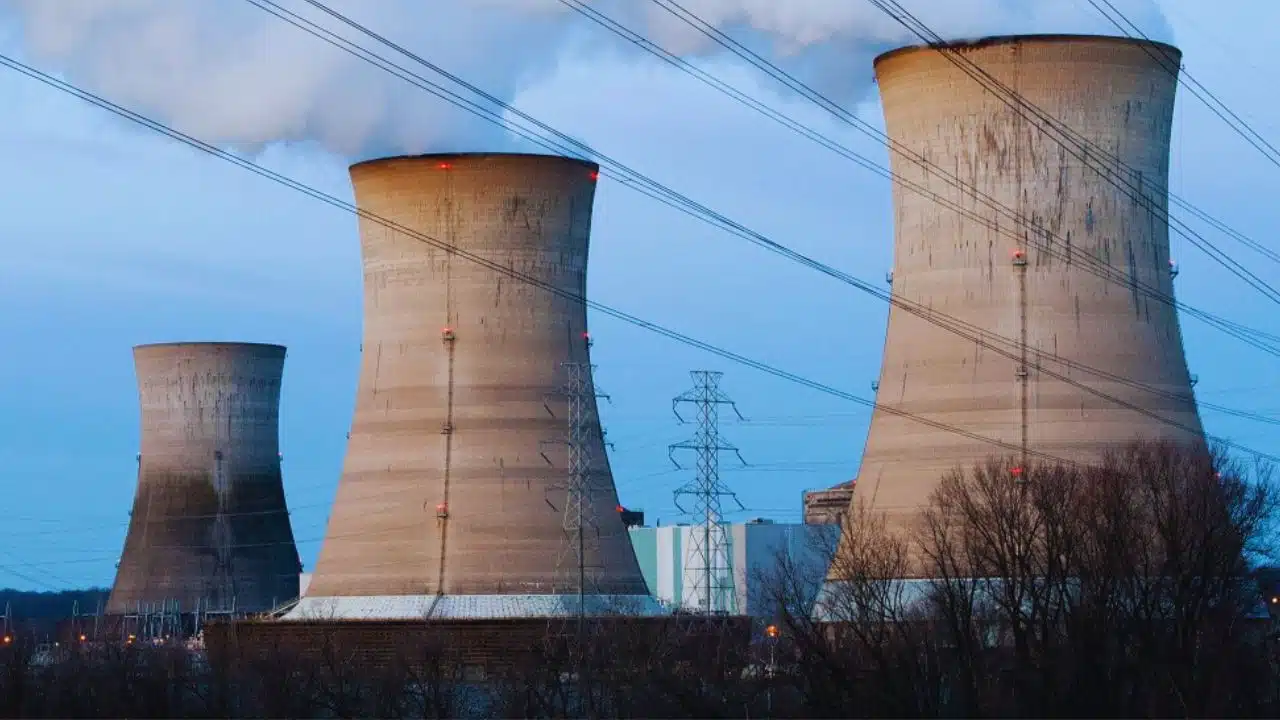
Constellation Energy is set to bring the Three Mile Island nuclear plant back online in a significant move to support Microsoft’s growing energy needs. This comes as the tech giant searches for innovative ways to satisfy its soaring demand for electricity while also striving to lower its carbon footprint. The agreement between the two companies, announced on Friday, marks a 20-year power supply deal that will result in the reopening of Unit 1 of the Three Mile Island facility, which had been closed since 2019. This project is significant for both the energy and technology sectors, as it represents only the second reopening of a nuclear plant in the U.S. after it had been shut down.
This new development is notable because Three Mile Island is a name that carries a historical weight, particularly regarding nuclear energy. Unit 2 of the plant, which was decommissioned after a partial meltdown in 1979, remains closed. That accident is considered the most serious in the history of the U.S. nuclear power industry, casting a long shadow over nuclear energy policy in the country for decades.
Nuclear Energy’s Resurgence in the Clean Energy Movement
For many years, the aftermath of the Three Mile Island incident, along with other nuclear disasters such as Chernobyl in 1986 and the Fukushima Daiichi accident in 2011, drove a global shift away from nuclear energy. Public fear, safety concerns, and regulatory challenges led many countries to phase out nuclear power or at least significantly reduce their dependence on it. However, in recent years, there has been a marked revival of interest in nuclear power as the world grapples with climate change and the urgent need to reduce carbon emissions.
In this context, nuclear energy is increasingly being recognized as a reliable and effective way to provide large amounts of energy without producing carbon dioxide emissions. Unlike solar or wind power, which are dependent on weather conditions, nuclear power plants can operate continuously, offering what is known as “baseload” power—a consistent and reliable energy supply.
Joe Dominguez, CEO of Constellation Energy, highlighted the broader significance of the move: “The decision here is the most powerful symbol of the rebirth of nuclear power as a clean and reliable energy source.” His remarks underscore the growing realization that if the world is serious about combating climate change, nuclear power may need to play a pivotal role in the future energy mix.
The Energy Needs of Big Tech: Why Microsoft Turned to Nuclear Power
Microsoft’s decision to source energy from a reopened nuclear facility is part of its broader strategy to address its increasing energy consumption, particularly as artificial intelligence (AI) and cloud infrastructure fuel its growth. These technologies, which require vast amounts of computational power, have dramatically increased the company’s demand for energy. In fact, Microsoft reported earlier this year that its carbon emissions had risen by nearly 30% since 2020, despite its ongoing efforts to pursue renewable energy and other sustainability initiatives.
Like many of its competitors in the tech industry, Microsoft has made bold environmental commitments. The company aims to become “carbon negative” by 2030, meaning it plans to remove more carbon from the atmosphere than it emits. Additionally, it has set a goal of achieving “zero waste” by 2030. These ambitious targets are part of a larger trend among tech giants, many of whom have publicly committed to reducing their environmental impact.
However, finding clean energy sources that can reliably power their data centers and AI infrastructure has been a significant challenge for these companies. Renewable sources like wind and solar, while essential to the clean energy transition, are not always available 24/7. This is where nuclear energy comes in. Its ability to provide continuous, carbon-free electricity makes it an attractive option for companies like Microsoft that need large, reliable energy supplies to power their operations.
Details of the Three Mile Island Reopening: A 20-Year Commitment
Under the terms of the 20-year power purchase agreement, Microsoft will receive more than 800 megawatts (MW) of electricity from the Three Mile Island facility once it becomes operational. To put this into perspective, 800 MW is enough to power hundreds of thousands of homes, underscoring just how significant this energy deal is for Microsoft’s operations. This clean energy will be critical for the company as it continues to expand its AI infrastructure and cloud computing services, which are essential for its future growth.
The plant is expected to be fully operational by 2028, with plans for it to remain online until at least 2054. This long-term commitment reflects both Microsoft’s need for stable energy sources and Constellation Energy’s confidence in the viability of nuclear power as a solution to the growing demand for clean energy.
Notably, the location of the Microsoft facilities that will receive power from Three Mile Island has not been disclosed. However, it is clear that this energy will play a vital role in the company’s strategy to reduce its carbon footprint while meeting its energy needs.
A Tribute to Leadership: Renaming the Facility
In a gesture that honors the leadership of Constellation’s late former CEO Chris Crane, the Three Mile Island facility will be renamed the Crane Clean Energy Center once it reopens. Chris Crane was a prominent figure in the energy industry and played a key role in advancing nuclear power as a clean energy solution. This renaming serves as a tribute to his vision and legacy.
The financial markets responded positively to the news, with Constellation Energy’s shares rising by 14% following the announcement. The company is expected to invest approximately $1.6 billion in the project to bring the plant back online.
A Growing Trend: Reopening of Decommissioned Nuclear Plants
This move to reopen the Three Mile Island nuclear plant is part of a larger trend in the U.S. energy sector. Earlier this year, Holtec International, another major player in the industry, announced plans to reopen the Palisades nuclear plant in Michigan by 2025. The Palisades facility, which was closed in 2022, is expected to be brought back online as part of broader efforts to extend the operational life of existing nuclear plants.
The U.S. is home to the largest fleet of nuclear reactors in the world, with 94 reactors currently providing nearly 20% of the country’s electricity. However, many of these reactors are aging, and some have been slated for decommissioning. In response, the U.S. Department of Energy is offering billions of dollars in subsidies to nuclear operators to keep these plants running longer, recognizing the role that nuclear power can play in the transition to a carbon-free energy grid.
Rising Energy Demand and the Strain on the Power Grid
The decision to extend the life of nuclear plants like Three Mile Island also comes at a time when the U.S. is experiencing a sharp increase in electricity demand. After years of stagnation, electricity consumption is now booming, driven by the rapid growth of emerging technologies such as AI and the increasing adoption of electric vehicles (EVs). These trends have placed new strains on the power grid, leading to concerns about its reliability.
According to the North American Electric Reliability Corporation (NERC), a regulatory body responsible for ensuring the stability of the power grid, projections for peak power demand over the next decade have nearly doubled compared to estimates from five years ago. NERC’s CEO, Jim Robb, has warned that significant upgrades to the power grid will be necessary to keep pace with the rising demand and ensure reliable electricity supplies in the coming years.
The Future of Nuclear Power: Next-Generation Reactors
In addition to reopening older nuclear plants, the U.S. is also investing in the development of next-generation nuclear technologies. This includes smaller, more advanced reactor models that are designed to be safer and more efficient than traditional nuclear reactors. These smaller reactors, often referred to as Small Modular Reactors (SMRs), have the potential to revolutionize the nuclear energy industry by making it more flexible and cost-effective.
Countries around the world, including the U.S., are actively exploring the potential of SMRs as a way to meet future energy needs while reducing carbon emissions. These reactors are seen as a key part of the solution to the growing global demand for clean energy.
A Turning Point for Clean Energy and Big Tech
Microsoft’s partnership with Constellation Energy to reopen the Three Mile Island nuclear plant represents a turning point for both the tech industry and the clean energy movement. As companies like Microsoft face the dual challenge of meeting their growing energy needs while reducing their environmental impact, nuclear power is emerging as a crucial part of the solution.
The reopening of the Three Mile Island plant not only symbolizes the resurgence of nuclear energy but also highlights the innovative approaches that will be necessary to meet the world’s energy demands in the years to come. With the plant set to provide carbon-free power for decades to come, it stands as a testament to the enduring potential of nuclear power in the fight against climate change.
In a world increasingly defined by the need for clean, reliable energy, the return of nuclear power could be one of the most significant developments of the 21st century.