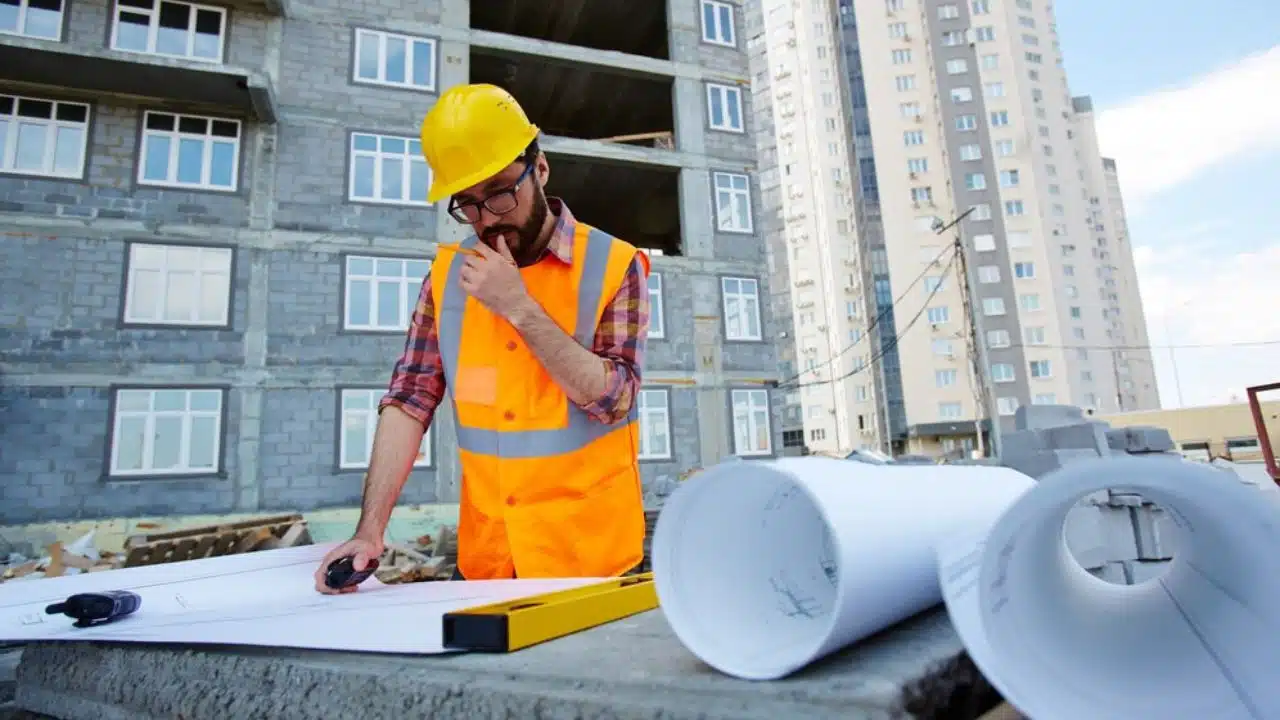
Precast concrete is one of the options that stands out for its success in reducing hazards and enhancing workplace safety. Also, precast concrete may improve the building process and also contribute to the creation of safer environments for both workers and the general public on construction sites.
This blog will explore why precast concrete makes construction sites safer.
The Safety Advantages of Precast Concrete
1. Reduced On-Site Labor
One of precast concrete’s main safety advantages is its ability to reduce on-site labor requirements. Precast components are produced off-site, so laborers may not be required to do heavy physical jobs like pouring and curing concrete in difficult environments.
By doing this, there can be a decrease in the chance of accidents resulting from manual labor and exposure to dangerous materials.
2. Enhanced Structural Integrity
Precast concrete components are designed and produced according to precise specifications, ensuring high-quality construction with little room for error. As a result, buildings have increased structural resilience and integrity. This lowers the risk of accidents like building collapses or failures during construction or over the building’s lifespan.
3. Faster Construction Times
Precast concrete’s ability to improve the building process and save on-site labor can greatly shorten construction schedules. Additionally, precast elements can be constructed simultaneously with site preparation and foundation work because they are built off-site.
This allows faster installation and assembly of the parts once they are brought to the construction site. Shorter construction times translate into less chances of incidents and accidents.
4. Improved Site Organization
Precast concrete parts are usually brought in a coordinated manner, labeled, and arranged for quick and easy installation, at the construction site. This methodical approach to building lowers the possibility of:
- Trip hazards
- Clutter, and
- Material handling accidents
5. Minimized Environmental Impact
Production facilities for precast concrete are built with resource efficiency and waste generation. It lessens the possibility of environmental risks connected with on-site concrete mixing by producing components in a controlled atmosphere, such as:
- air pollution
- water pollution
- noise pollution
Additionally, by reducing the need for regular maintenance and repair, precast concrete constructions’ lifespan and resilience promote sustainability.
6. Fire Resistance and Safety
CivilMart offers fire resistance, so it adds another degree of safety in the case of a fire. In contrast to flammable building materials, it resists flames and can endure high temperatures without losing its structural integrity. Also, in an emergency, this feature can make evacuation routes safer and improve occupant safety.
7. Improved Worker Efficiency
Processes used in the production of precast concrete are ergonomically and worker-safety-oriented. Heavy lifting and repetitive jobs are frequently handled by automated machinery and equipment, which lowers the risk of musculoskeletal injuries and strain-related accidents among workers.
Precast concrete facilities also follow tight safety guidelines and requirements to guarantee a secure workplace for workers.
8. Long-lasting Material
Precast concrete is known for its strength. It has a long lifespan and can support a lot of weight. This implies that structures constructed using it require fewer repairs. It is also very dependable when it comes to withstanding large loads and structural stresses because of load resistance.
Precast concrete’s strength allows the creation of sturdy structures that can bear heavy loads without sacrificing integrity or safety. This capacity for load resistance ensures the long-term stability and durability of precast buildings and adds to their overall structural reliability.
9. Cost-Effective
Precast concrete usually has significantly higher quality and durability than cast-in-place concrete because it is easier to manage. Not only does precast concrete serve as a building’s structural structure and architectural front, but it also significantly lowers labor and material costs.
10. Improved Design and Finishes
Precast concrete gives you a wide range of alternatives with its:
- Aggregates
- Shapes
- Colors
- Finishing options
Casting in additional materials such as granite, brick, and stone at the facility can decrease the time, staging, and expense of on-site installation. You may get your desired look for the price and durability of precast concrete with a little creativity.
11. Versatility
Precast concrete can be shaped and sized to suit the needs of a construction project, depending on its design. It is highly favored in many situations since it guarantees increased efficiency.
Real-World Applications of Precast Concrete Safety
Several case studies and illustrations highlight the concrete safety advantages of using precast concrete in building projects:
Highway Infrastructure Projects
Precast concrete is widely utilized in highway infrastructure projects to build:
- Retaining walls
- Overpasses
- Bridges
By prefabricated bridge components off-site and assembling them on-site the likelihood of accidents on busy roads can be reduced. Additionally, construction workers’ exposure to traffic risks can be limited.
Multi-Story Building Construction
Precast concrete can be a safer option than traditional building methods in urban settings with limited space and crowded construction sites. Cranes can be used to raise precast concrete panels that are manufactured off-site, reducing the need for scaffolding, formwork, and other temporary structures that may endanger worker safety.
Industrial Facilities
Precast concrete is frequently used in the construction of industrial buildings including:
- Manufacturing plants
- Warehouses
- Distribution centers
Its elements ensure worker safety and productivity throughout the building process by allowing quick construction with minimal interruption to ongoing operations.
Residential Construction
Precast concrete is being used more frequently in residential buildings, from single-family homes to multi-unit complexes, because of its advantages in terms of:
- Safety
- Energy efficiency
- Durability
Builders can shorten construction times and lower safety concerns related to on-site assembly by prefabricated building components including:
- Wall panels
- Floor slabs
- Stairs off-site
Use Precast Concrete Now!
Precast concrete stands out as a dependable option for improving workplace safety on building sites in a sector where safety is of the utmost importance. The use of precast concrete methods promises to bring in a new era of safety, efficiency, and creativity in the built environment as construction processes continue to change.
Additionally, it plays a critical role in lowering hazards and fostering safer workplaces for employees, residents, and the general public by eliminating on-site labor, enhancing structural integrity, expediting construction timelines, and limiting environmental effects.