When you think about jewelry, you probably think about shiny things, fancy shops, and where all the materials come from. But things are changing in Texas. Lots of local artists are switching to eco-friendly ways of making things — they’re using old metals, hiring local people, and rethinking the whole process. Let’s check out why folks in Texas are liking this idea and why it’s turning into something bigger.
Local Shops and Shorter Routes
Texas jewelers are trying to keep things local by using fewer shipments from far away. Little studios are starting to make their stuff right here instead of sending pieces overseas. That’s good for two reasons: it reduces pollution and creates jobs here.
Even the boxes and pouches are getting a makeover. Some brands are ditching velvet cases for recycled-wood boxes or cotton bags with simple logos. The packaging matches what they sell: jewelry made responsibly. It’s a totally different perspective.
Where Stuff Comes From Matters
Customers care more about how materials are sourced, so jewelers are upping their game. Recycled gold and silver, plus diamonds grown in labs — not mines — are becoming more popular. Fair wages, open info about the supply chain, and avoiding conflict diamonds are now important.
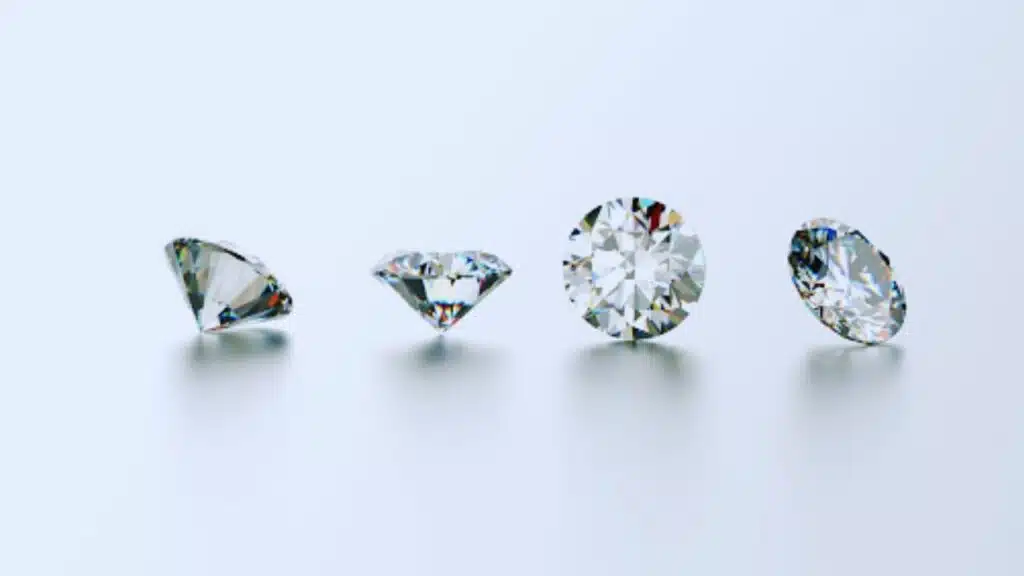
You can find Texas stores offering just that, such as old metal, trusted suppliers, and lab-made gems. Aura Diamonds in Dallas is a prime example. It offers loose diamonds Dallas residents can buy. This approach immediately removes ethical questions about the origin of stones and enables the creation of beautiful jewelry without violating human rights.
Why Texas?
Texas is known for doing everything big, but size helps with being sustainable in this case. Keeping it local means more control. The Texas vibe is also encouraging new ways of thinking. People here want things that look good and don’t hurt the Earth.
Plus, keeping production local keeps the money here. Jewelers can team up with regional factories, designers, and artists. Buying a piece from them feels like you’re supporting your community.
Shoppers Drive the Change
Texans are thinking harder about what they buy. They want to know the story behind the jewelry. They’re asking questions like, “Where did this stone come from?” or How much energy did it take to make?. That puts pressure on brands to do better, and they’re listening.
Social media is spreading the word, too. People share stories about the materials, where the gold was melted, and who made it. This makes everyone respect the work that goes into it and makes artisans want to be open and do a responsible job. The results are precise to see:
Jewelers are learning new skills and hiring local workshops rather than overseas ones. This cuts down on pollution from shipping:
- Choosing lab-grown diamonds: They’re just like mined stones, but without all the damage.
- Using recycled metals: Old jewelry gets melted down and reused.
- Knowing where things come from, customers want to know where materials come from.
- Eco-friendly boxes, cotton bags, and reducing plastic use.
A rethinking of consumption has also affected the jewelry sector. The focus is on the origin of gold and stones, mining conditions, and the sustainability of production. More and more consumers are opting for items made from recycled metals or jewelry with a transparent history.
One answer to this demand is jewelry with a history—for example, jewelry that has undergone expert inspection and is offered for sale after repurchase. This format is not only environmentally friendly but also allows you to purchase high-quality pieces with unique character.
It’s Good in Two Ways
Being sustainable isn’t just about doing what’s right; it just makes sense. Stuff that’s made carefully with good materials tends to last longer. The cost to repair that jewelry is much lower; the material is also available locally. You don’t have to replace it as often. Plus, a local artisan is going to respond right away.
This approach is also beneficial for companies. It reduces logistics costs and strengthens brand reputation. Of course, pioneers like Aura Diamonds will have an advantage. They can proudly claim to be among the first to think not only about jewelry but also about the environment. But other jewelry companies still have the opportunity to join this movement and establish themselves as responsible producers.
What Still Needs Work
Making jewelry sustainably still has some bumps in the road:
It’s tricky to know where everything along the supply chain is coming from. It’s not always easy to be sure about the origins.
- Eco-friendly materials sometimes cost more. Are people willing to pay more?
- People need to know more. Lots of shoppers don’t understand what recycled gold or conflict-free really means.
- Texas workshops are still small compared to those at other centers.
Aura Diamonds and companies like it know the score and are working to fix things.
What’s Next?
If the tendency keeps up, then it is anticipated that:
- More Texas jewelry brands will make sustainability a standard.
- Workshops that focus on recycling and local production will pop up.
- Customers will want not just recycling, but remaking old pieces into new things.
- Brands will compete to be more open, thereby improving working conditions and helping the planet.
But it all depends on whether shoppers keep making responsible choices, too.
Takeaways
The Texas jewelry world is switching from global to local. Brands like Aura Diamonds are already heading that way, and customers are helping by asking the important questions. It’s not just about new jewelry, but about making the idea of jewelry mean being ethical, skilled, and sustainable.