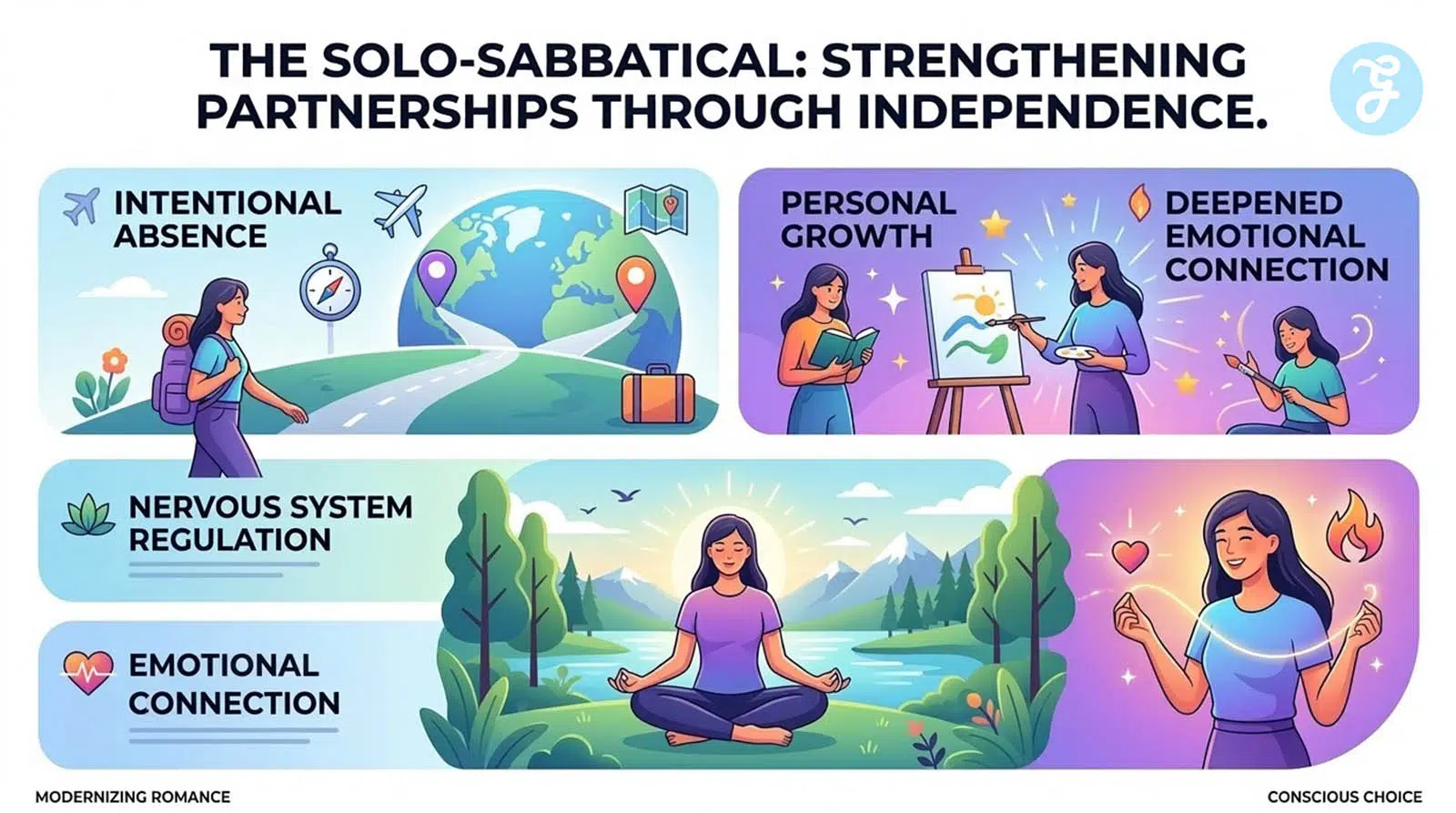
The concept of modern romance is undergoing a massive transformation in the current decade. For generations, society has pushed the narrative that successful relationships require constant togetherness. However, the wellness movement of 2026 has introduced a far more sophisticated approach to maintaining a resilient partnership: the Solo-Sabbatical. This new paradigm prioritises individual identity as the absolute cornerstone of lasting love. Unlike a traditional holiday where couples must constantly negotiate their shared desires, the modern trend involves partners travelling to separate destinations.
The primary goal is to pursue personal growth and achieve profound nervous system regulation. By removing the habituation that naturally occurs in long-term cohabitation, individuals can break the exhausting cycle of compromise fatigue. This intentional absence triggers a necessary psychological reset. It allows the bond to transition from a state of codependency to one of conscious choice. Ultimately, this practice deepens the emotional connection through the sheer power of autonomy.
To understand how this shift is playing out in the real world, we need to look at the practical application of this trend.
Solo-Sabbatical: Space in the 2026 Wellness Shift
Theory is helpful, but real-world examples illustrate the true impact of intentional separation. A notable case study involves a London-based executive John and a freelance designer named Alva. After twelve years of marriage, they found their relationship plateauing due to what relationship experts call roommate syndrome. The romantic spark had dimmed under the heavy weight of shared utility bills, mortgage discussions, and highly predictable evening routines. By embarking on a thirty-day independent journey, they drastically altered their relationship trajectory. One partner attended a silent meditation retreat in the remote Scottish Highlands. The other travelled to an intensive surfing camp on the coast of Portugal.
Core Facts From the 2026 Case Study
- Relationship satisfaction increased by a measurable 40 percent upon their return.
- Both individuals reported significantly better sleep quality during the first week of separation.
- The couple experienced a drastic drop in petty domestic arguments after reuniting.
The experiment proved that physical space allowed them to reclaim their individual narratives. This personal reclamation provided fresh conversational capital. It also generated a renewed sense of attraction that had been completely stifled by a decade of constant proximity. The data from their experience highlights how distance acts as a powerful catalyst for emotional renewal.
This remarkable turnaround is not magic, as it is the direct result of engaging with specific psychological and physiological steps.
The Expert Voice
The shift towards independent travel is more than a lifestyle trend. It is a psychological necessity for the modern age.
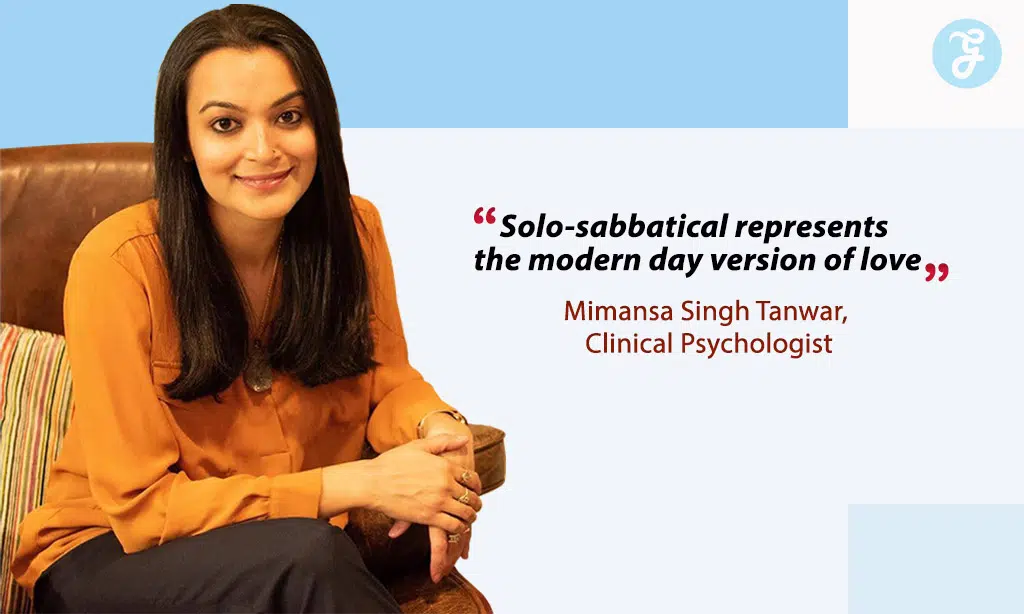 Mimansa Singh Tanwar, Clinical Psychologist and Head of the Fortis School Mental Health Program, identifies this practice as a healthy evolution of partnership. She explains:
“The Solo-Sabbatical represents the modern day version of love, where partners can strike a balance between closeness and the maintenance of their individual identity and autonomy. Rather than feeling constrained or restricted by a partner, this approach allows individuals to preserve mutuality in their choices and deepen emotional understanding. By preventing relationship burnout, this practice ultimately helps to strengthen the bond from within.”
The Science of Personal Space
This clinical insight highlights a core truth of 2026 relationships: the “we” is only as strong as the two “I’s” that form it. When partners feel restricted, the relationship becomes a source of tension rather than a sanctuary. The Solo-Sabbatical acts as a pressure valve, releasing the weight of constant compromise.
By following this approach, couples move away from codependency and toward a more conscious, high-functioning connection. It allows each person to return to the union with their own stories, their own peace, and a renewed capacity for emotional understanding. This preventive measure against burnout ensures that the relationship remains a space of mutual growth rather than stagnation.
The 5 Core Pillars of a Solo-Sabbatical
A successful Solo-Sabbatical relies on a structured approach to personal well-being. It is not simply about running away from daily responsibilities. Instead, it involves five foundational pillars that rebuild the individual to strengthen the partnership.
Achieving this requires starting with the physical body before moving to the mind.
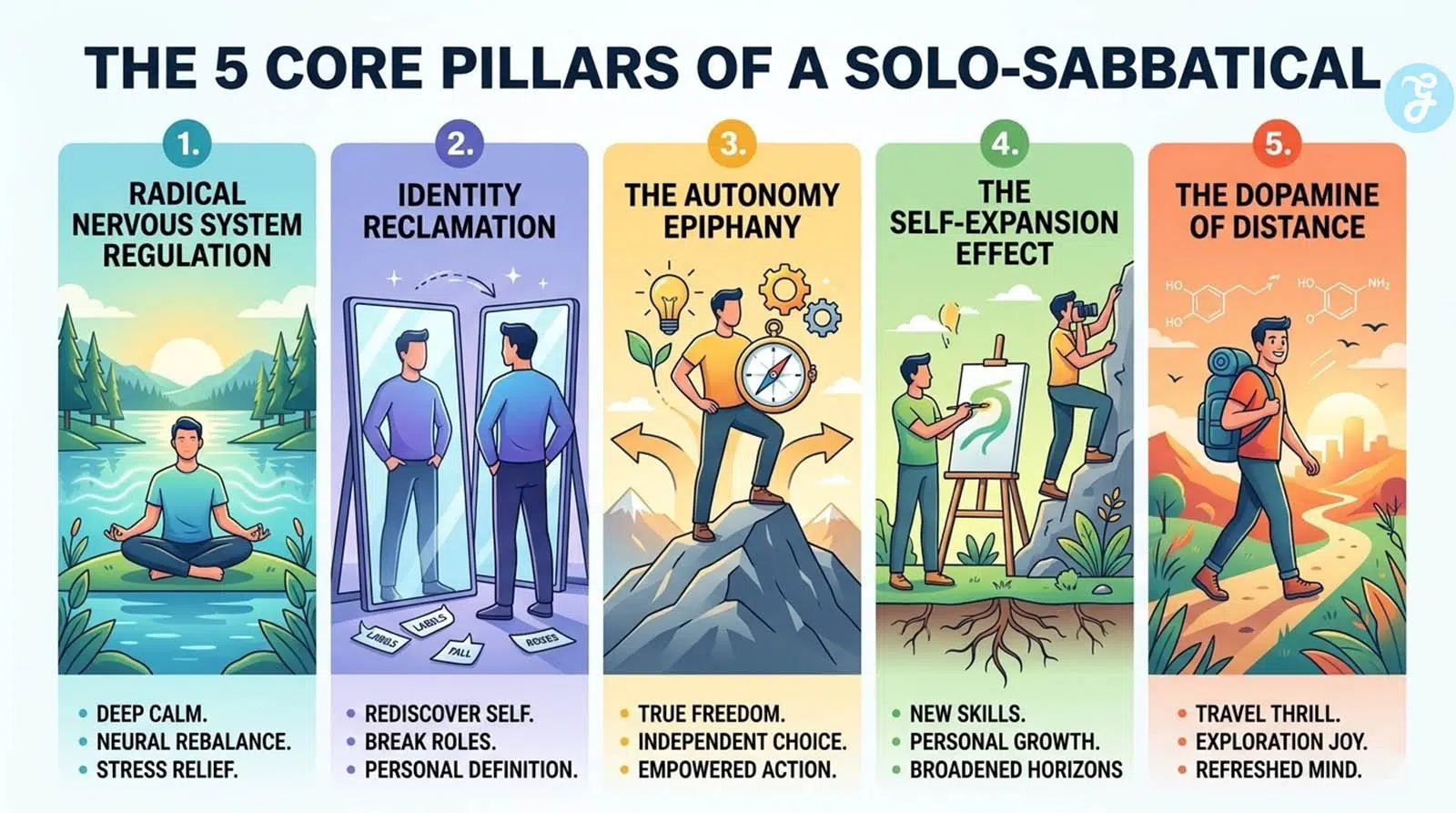
1. Radical Nervous System Regulation
The first pillar focuses entirely on profound physiological recovery. Modern life often leads to a state of co-regulation within a household. In this dynamic, one partner’s stress inadvertently triggers the other partner’s anxiety. By removing the secondary source of cortisol, the human nervous system can finally reach a baseline of absolute calm. Studies in 2026 show that solo travellers in nature-based destinations exhibit significantly lower heart rate variability stress markers. The ultimate result is returning to a partner from a state of deep internal peace rather than chronic depletion.
Achieving this physiological calm lays the essential groundwork for the next crucial phase of the journey.
2. Identity Reclamation
This stage involves the complete shedding of established domestic roles. Free from the influence of another person’s schedule, an individual finds the mental quietude required for deep creative or intellectual work. It is about rediscovering the passions that were sidelined during years of shared living. Personal hobbies like sketching, hiking, or coding are often sacrificed to make time for shared weekend activities. Reclaiming these interests helps in re-establishing exactly who you are outside of the collective unit.
Once your individual identity is firm, a new level of self-trust begins to emerge naturally.
3. The Autonomy Epiphany
Navigating a foreign landscape alone forces a person to lean back into their own inherent competence. You must manage your own travel logistics and handle unexpected transit delays without a trusted sounding board. This surge in self-efficacy is a core wellness metric for the modern era. When you realise you are entirely capable of thriving without a safety net, your perspective shifts entirely. You no longer lean on your partner out of sheer necessity. The beautiful result is that you choose to stay in the relationship because you genuinely want to be there.
This newfound independence naturally leads to a much broader worldview.
4. The Self-Expansion Effect
By engaging with new cultures and perspectives independently, you are essentially upgrading your internal cognitive software. The most successful couples understand a fundamental truth about human nature. To keep a relationship vibrant and interesting, the individuals within it must remain deeply interested in the surrounding world. Novelty is the absolute antidote to relationship boredom. Exploring alone allows you to bring new stories and narrative intimacy back to the shared dinner table.
All of this individual growth culminates in the final, highly anticipated biological response upon returning home.
5. The Dopamine of Distance
The final pillar is the powerful biological reward of the eventual reunion. The final week of the journey is defined by a distinct shift from needing space to genuinely longing for the other person. This physical distance triggers a massive release of oxytocin and dopamine. This specific neurochemical reaction perfectly mimics the early, thrilling stages of a new romance. Absence creates a powerful scarcity value for the partner’s physical presence. The result is a refreshed honeymoon phase, regardless of exactly how long the couple has been building a life together.
The Communication Blueprint for Pitching the Concept
Bringing up the idea of separate travel requires careful phrasing to avoid misunderstandings.
Reframing the Narrative: You must present the idea as a pro-relationship move. It is never an escape from your partner. It is a dedicated investment in your own mental health. A healthy individual creates a healthier partnership. Frame the conversation around personal burnout rather than relationship dissatisfaction. Modern psychology supports this approach. A fulfilled person brings better energy to their home life. This keeps the focus firmly on your internal needs and personal growth.
This framing naturally helps in managing any initial emotional reactions.
Managing Triggers and Reassurance: Your partner might initially feel a sudden sense of rejection. They may fear you are pulling away from the life you built together. Empathy is your best tool here. Listen to their concerns without getting defensive or angry. Validation is your primary strategy. Reassure them that the goal is to bring a better version of yourself back home. Physical distance does not equal emotional distance. Assure them that your love remains completely solid.
Having a clear script can make this initial conversation much smoother.
The Script for Success: Start the dialogue during a completely calm moment. Do not bring it up during an argument or stressful event. You might begin by stating how much you love the life you share. Then explain that you are feeling personally depleted. Mention that you want to take a short trip alone to recharge your own batteries. Ask for their thoughts and make it a collaborative discussion. Be open to their feedback and adjust the timeline if needed.
Once you are both on the same page, you must outline the practical rules.
Logistics Boundaries and Execution
A successful trip requires clear guidelines to prevent anxiety while you are away.
Setting Communication Protocols: You need healthy rules for texting and calling. The core goal of a Solo-Sabbatical is full immersion in your own environment. Constant texting ruins this essential mental break. Agree on a low-contact rule before you leave the house. A brief morning update and a short evening phone call work perfectly for most couples. Trust is built through consistency. If you promise to call at eight, you must call at eight. This reliability eases their mind while protecting your peace.
Money is another major factor that requires absolute clarity before departure.
Maintaining Financial Independence: Separate holidays should not cause household financial strain. Funding these trips requires highly strategic budgeting. You might consider setting up a dedicated savings account specifically for individual travel. This prevents resentment over how shared money is spent. Total financial autonomy during the trip removes the need to justify your daily expenses. Transparency regarding the budget is non-negotiable.
With finances sorted, you must address the reality of your shared home.
Managing Domestic Life and Responsibilities: Someone still needs to manage the household while you are away. You must fairly divide or outsource these daily responsibilities. If you have pets or children, the remaining partner takes on a much heavier load. Acknowledge this massive effort and plan to return the favour. You might arrange for a cleaner or a meal delivery service to ease their burden. Showing appreciation guarantees they will support your next trip.
Understanding these logistical differences highlights why this trend is so impactful.
Critical Considerations for the Journey
Comparing a shared holiday to individual travel reveals entirely different psychological outcomes.
Evaluating the Core Differences: A shared vacation focuses entirely on connection and building mutual memories. It requires constant daily negotiation over dinner choices and travel itineraries. You compromise on sleeping schedules and activity levels. The stress level is moderate due to this constant logistical coordination. The emotional impact is largely about comfort and bonding.
Individual travel serves an entirely different purpose for the human brain.
The Benefits of Individual Travel: A Solo-Sabbatical prioritises self-discovery and mental recharge. It offers total personal autonomy from start to finish. You make every single decision without consulting anyone else. The stress level is incredibly low because the experience is completely self-paced. The ultimate emotional impact is personal growth, novelty, and deep internal renewal.
These differences make it clear why modern couples are embracing this approach.
The Verdict on Modern Love
Taking time apart is the ultimate sign of a highly secure union. It honours the tradition of self improvement while embracing modern mental health awareness.
 A Solo-Sabbatical is not a signal of a fracturing relationship. It is a powerful testament to a thriving one. To survive the pressures of modern life, the individuals within a partnership must have the courage to stand alone. Evaluate your own burnout levels today. Start planning your first solo reset to protect and deepen the love you share.
Disclaimer: Names and specific identifying details in the case studies have been changed to protect the privacy of the individuals involved.
Explore the complete 2026 Relationship Standards series to master the new architecture of modern intimacy:
Part 1: Why Truecasting in Relationships is the 2026 Standard for Finding Real Connection
Part 2: Beyond Truecasting: Why Clear-Coding is the New Communication Standard for 2026
Part 3: Rejecting the ‘Maybe’: Why the 2026 Hard-Launch Is a Radical Act of Trust in a Relationship
Part 4: Trust the Group Chat: How Vibe-Vetting is Redefining Modern Relationship Compatibility
Part 5: The Secret to Long-Term Love: Why Every Couple Needs a Solo-Sabbatical