Do you know – how long should you balance on one leg? Balancing on one leg might seem like a trivial task, but recent research underscores its importance as a valuable indicator of health, longevity, and physical resilience. Studies show that the ability to balance on one leg for at least 10 seconds correlates with a reduced risk of mortality in adults over 50.
Now, scientists from the NHS have refined these observations by specifying age-based benchmarks for one-leg balance times. These guidelines provide a clear way for individuals to assess their physical health at various stages of life and understand how well they may be aging.
Why Is Balance an Indicator of Health?
The ability to stand on one leg for a set amount of time goes beyond physical stability; it draws on multiple bodily systems, including muscles, joints, nerves, and the brain. Balancing effectively requires coordination among these systems, so any challenges with balance often indicate potential issues in one or more of these areas.
Studies suggest that balance can help identify broader risks of aging-related health problems, particularly frailty. Frailty is often linked to declines in bone density, muscle mass, and neurological function, making it harder to stay upright and steady. As frailty increases, the likelihood of falls and related injuries—such as bone fractures—also rises. According to Selina Lim, Divisional Director for Integrated Pathways at the NHS East Suffolk and North Essex NHS Foundation Trust, a lack of balance can signal underlying issues that may lead to ill health.
“People who struggle to balance for the expected amount of time are at a higher risk of developing health issues as they age,” Lim explains. “By taking part in what we call the ‘flamingo challenge,’ people can quickly and easily assess whether they may be at increased risk of health complications.”
Recommended Balance Times by Age Group
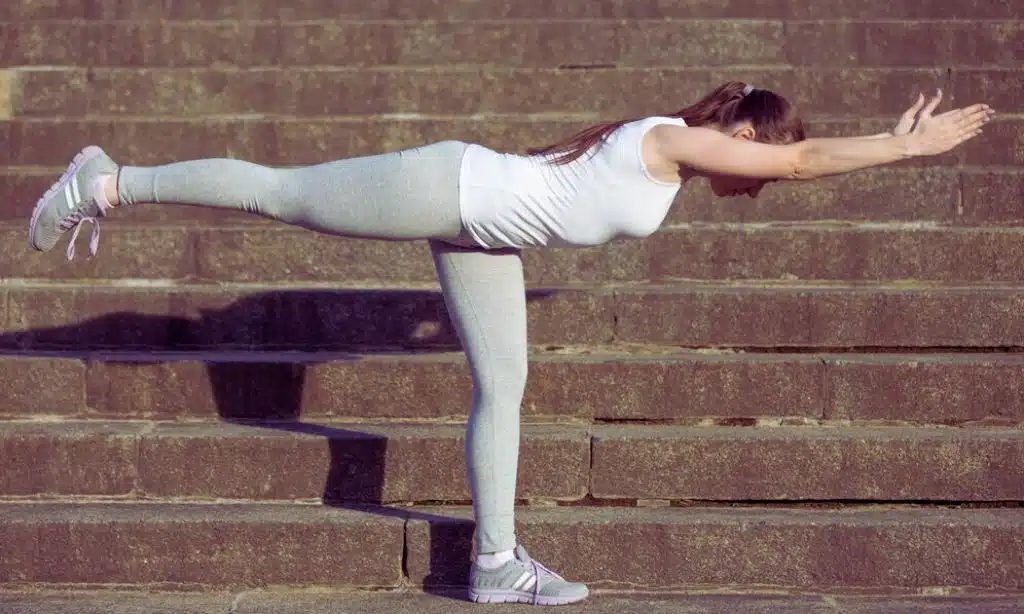
Here’s how long the NHS recommends individuals should be able to balance on one leg, based on their age group:
- Ages 18–39: 43 seconds
- Ages 40–49: 40 seconds
- Ages 50–59: 37 seconds
- Ages 60–69: 30 seconds
- Ages 70–79: 18–19 seconds
- Ages 80+: 5 seconds or more
These times are considered optimal benchmarks for each age group. If you’re unable to balance for the recommended duration, you may be at greater risk for mobility issues, frailty, and health complications associated with aging.
How to Perform the One-Leg Balance Test at Home
You can try the NHS’s recommended one-leg balance test yourself at home with minimal equipment. Follow these simple steps:
- Stand upright with your hands placed on your hips.
- Lift one foot off the ground while keeping your eyes open.
- Start a timer as soon as your foot leaves the ground.
- Stop the timer when you lower your foot back to the floor or if you remove your hands from your hips for support.
For the test to be most effective, choose a flat, stable surface and wear comfortable shoes if needed. Try balancing on each leg to get a full assessment of your stability.
Balance as a Predictor of Longevity and Health
In a 2022 study published in the British Journal of Sports Medicine, researchers in Brazil followed 1,700 participants, all over the age of 50, for 12 years to evaluate the relationship between balance and mortality risk. The study revealed that individuals who couldn’t balance on one leg for at least 10 seconds had nearly twice the risk of death from any cause within the next 10 years.
This discovery supports balance testing as a quick, informative tool that can help identify those at higher risk of poor health outcomes as they age.
The researchers emphasized that this simple test provides rapid and objective feedback on one’s static balance, offering insights for both patients and healthcare providers. While cardiovascular fitness and muscle strength are typically prioritized in health evaluations, balance is often overlooked. The study suggests that balance assessments should be included in regular health checks for older adults.
Changes in Balance with Age and What It Means
Aging affects balance in unique ways. While aerobic capacity, muscle strength, and flexibility generally decline with age, balance tends to be well-preserved until people reach their 60s. At this point, balance ability begins to decrease noticeably. This shift often coincides with declines in other physical functions, such as muscle mass, joint flexibility, and bone density, which together impact overall stability and resilience.
Recent findings from the Mayo Clinic in the U.S. add another layer to this understanding. The study noted that as people age, the amount of time they can balance on their non-dominant leg declines by approximately 2.2 seconds per decade after age 50. This decline in balance is slower for the dominant leg, at roughly 1.7 seconds per decade.
According to Mayo Clinic researchers, these findings could lead to balance testing becoming a regular part of health assessments for aging adults, offering a low-cost, accessible method to evaluate bone strength, nerve health, and muscular function.
Exercises to Improve Balance and Mobility
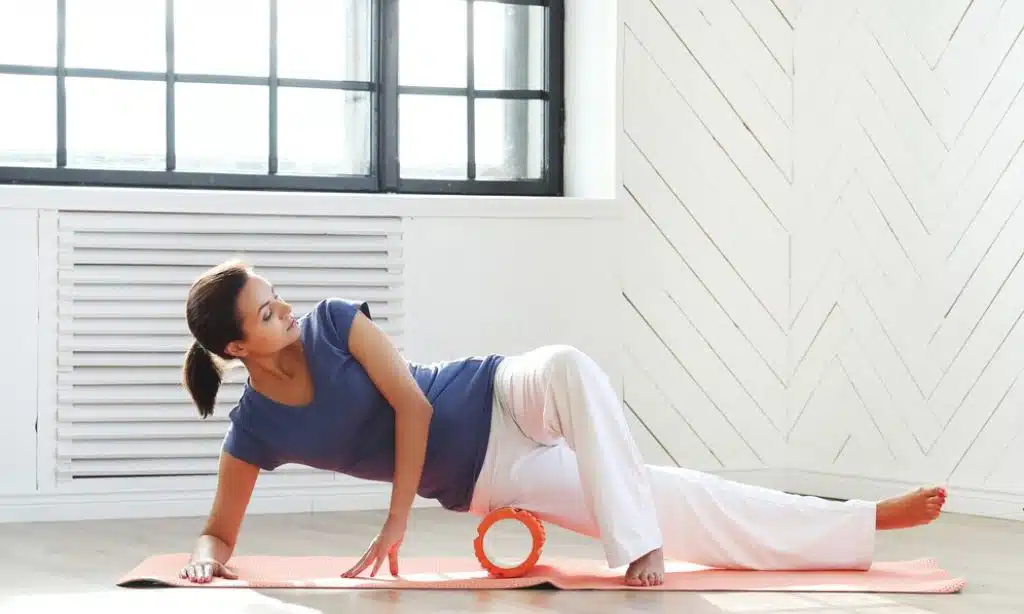
If your balance time is below the NHS-recommended duration for your age, there are exercises that can help improve stability and overall fitness. By focusing on exercises that strengthen core muscles, improve coordination, and enhance flexibility, many people can see notable improvements in balance.
NHS experts, including Lim, recommend incorporating balance exercises into daily routines as a proactive way to stay healthy and independent as you age.
Here are some exercises proven to support balance and core strength:
- One-Leg Stands: Start by holding onto a stable surface, like a wall or chair. Lift one foot off the ground, gradually working up to balancing without support. Aim for 10–30 seconds per leg.
- Heel-to-Toe Walk: Place the heel of one foot directly in front of the toes of the other as you walk forward. This strengthens lower body muscles and encourages coordination.
- Tai Chi and Yoga: Both practices focus on balance, core strength, and flexibility. Tai Chi, in particular, has been shown to reduce the risk of falls in older adults and improve joint stability.
- Strength Training: Exercises like squats, lunges, and leg raises strengthen lower body muscles, which are essential for maintaining stability and balance.
Why Balance Assessments Could Be the Future of Routine Health Checks
Balance testing could eventually become a standard part of medical assessments in healthcare settings. Unlike high-tech equipment, the one-leg balance test is inexpensive, easy to perform, and provides valuable insights into a person’s physical resilience.
Experts believe that by including balance assessments as part of regular health screenings, doctors could catch early signs of frailty and implement interventions before falls or other serious complications occur.
Balance in Popular Health Advice: Dr. Michael Mosley’s Perspective
Renowned health expert Dr. Michael Mosley has long advocated for the benefits of balance training. In 2019, Mosley shared his belief that the ability to balance on one leg for 10 seconds—particularly with eyes closed—is a good indicator of overall health.
According to Mosley, maintaining balance suggests that a person has healthy nerve function, adequate muscle mass, and good bone density. He emphasizes that balance exercises are beneficial for people of all ages and can help stave off age-related declines.
Takeaways
Balancing on one leg may seem like a simple test, but it’s a powerful indicator of your overall stability, muscle strength, and coordination—all essential for healthy aging. Regularly testing your balance and comparing it to age-based benchmarks can help you stay aware of changes in your physical health.
If you find it challenging to maintain balance for the recommended time, incorporating balance exercises into your routine can improve strength and stability over time.
Ultimately, maintaining good balance is about more than just meeting an age-based standard. It’s about enhancing your quality of life, preventing injuries, and staying agile and confident in your movements, no matter your age.
So, whether you’re just starting to test your balance or looking to improve, embracing this practice as part of your fitness routine is a valuable step toward better long-term health and well-being. By prioritizing balance now, you’re setting the stage for a healthier, more vibrant future.