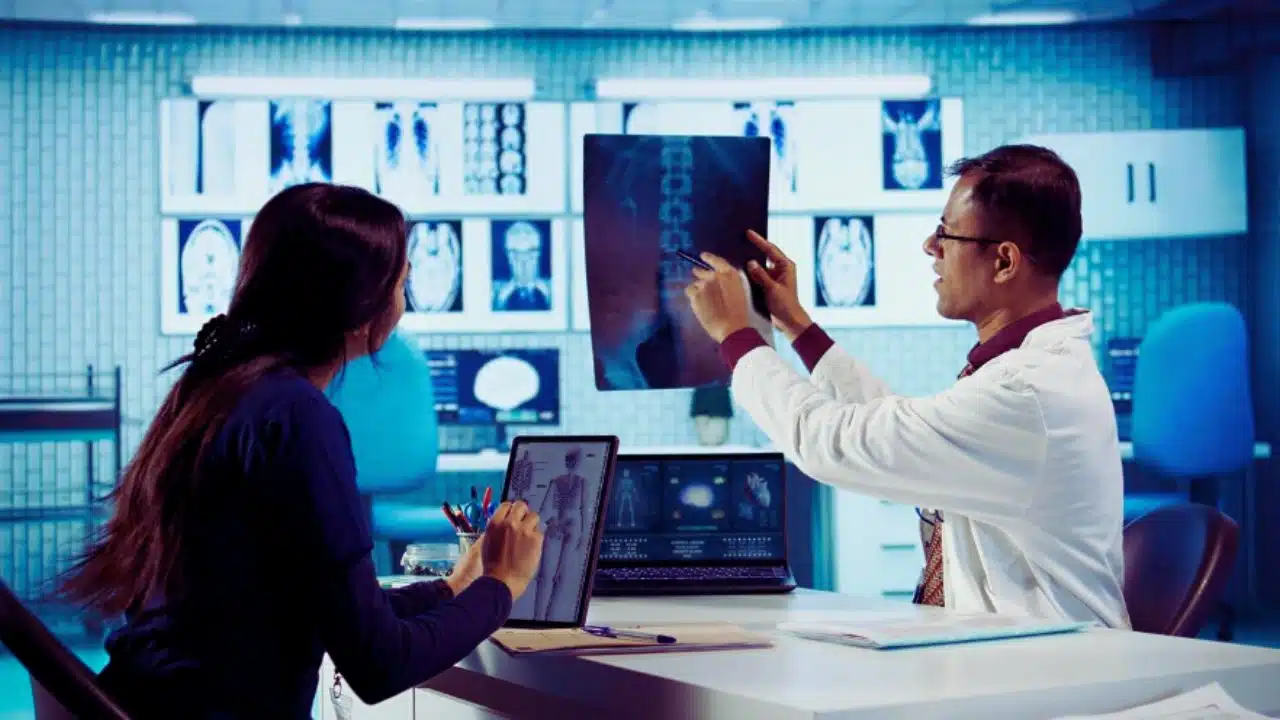
Radiology, like many areas of medicine, is undergoing a major transformation thanks to advancements in data analytics and artificial intelligence (AI). These technologies promise to improve the accuracy of diagnoses, streamline workflows, and expand access to radiology services. However, with so much focus on automation and machines, there is a risk that the personal, human connection between radiologists, patients, and healthcare providers could be diminished. Striking the right balance between embracing technological innovation and preserving the human touch is critical—especially in rural healthcare settings where relationships and communication are vital. The Radiology Group, a leader in rural teleradiology, offers a powerful example of how data analytics and AI can be integrated thoughtfully to enhance care without losing sight of what makes radiology truly effective: human expertise and connection.
The Promise of Data Analytics and AI in Radiology
Data analytics and AI are rapidly changing how radiologists work. AI algorithms can analyze vast amounts of imaging data quickly and with high precision, flagging potential abnormalities, measuring lesions, and even predicting disease progression. This not only helps radiologists catch issues that might be missed by the human eye but also speeds up the diagnostic process. For busy radiology departments or remote facilities, these improvements can be life-changing.
Data analytics further supports decision-making by identifying patterns across patient populations and helping radiologists tailor recommendations based on outcomes. Predictive analytics can forecast which patients might benefit most from certain imaging tests or treatments, improving personalized care. These technologies also optimize workflow by automating routine tasks such as image sorting and quality checks, freeing radiologists to focus on complex interpretations and patient communication.
The Radiology Group has been at the forefront of incorporating these tools into its practice, especially for rural hospitals that may have limited resources but still require top-tier radiology services. By harnessing AI and data analytics, they can deliver faster, more accurate reports while maintaining the quality of care that rural patients deserve.
The Risk of Losing the Human Touch
While the benefits of AI and data analytics are clear, there is understandable concern that relying too heavily on technology could depersonalize radiology. Patients and clinicians alike value the expertise and nuanced judgment that radiologists provide—elements that no algorithm can fully replicate. Radiology is not just about interpreting images; it’s about understanding the clinical context, collaborating with other providers, and sometimes even offering reassurance to anxious patients.
In rural settings, this human connection is even more critical. Many rural hospitals and clinics operate on tight-knit relationships where providers know their patients and community well. The Radiology Group’s emphasis on personalized service and strong communication channels with rural hospitals ensures that technology enhances, rather than replaces, the human interactions that underpin quality care.
If AI tools are viewed merely as “black boxes” delivering cold data, radiologists risk being reduced to report generators rather than trusted advisors. This could undermine confidence in radiology services and weaken the partnerships essential for rural healthcare. Therefore, it is vital that technology supports radiologists’ roles rather than sidelining them.
How AI Can Support Radiologists Without Replacing Them
The key to preserving the human touch lies in using AI and data analytics as tools that empower radiologists rather than substitutes that replace them. AI excels at processing large volumes of data and identifying patterns but cannot interpret subtle clinical nuances or communicate findings with empathy and clarity.
Radiologists can leverage AI to improve accuracy by using algorithms as a second set of eyes. For example, an AI system might highlight suspicious areas on a scan for the radiologist to review more closely. This collaboration improves diagnostic confidence and reduces errors without removing the radiologist from the decision-making process.
Moreover, AI can handle repetitive tasks that consume valuable time, such as sorting images or conducting routine measurements. By automating these functions, radiologists gain more bandwidth to engage with clinicians, discuss cases, and provide personalized recommendations.
In rural healthcare, this means radiologists can spend more time understanding patient history, local healthcare challenges, and community needs—elements that technology alone cannot address. The Radiology Group’s model prioritizes these relationships, using AI as a powerful assistant rather than a replacement.
Enhancing Communication Through Technology
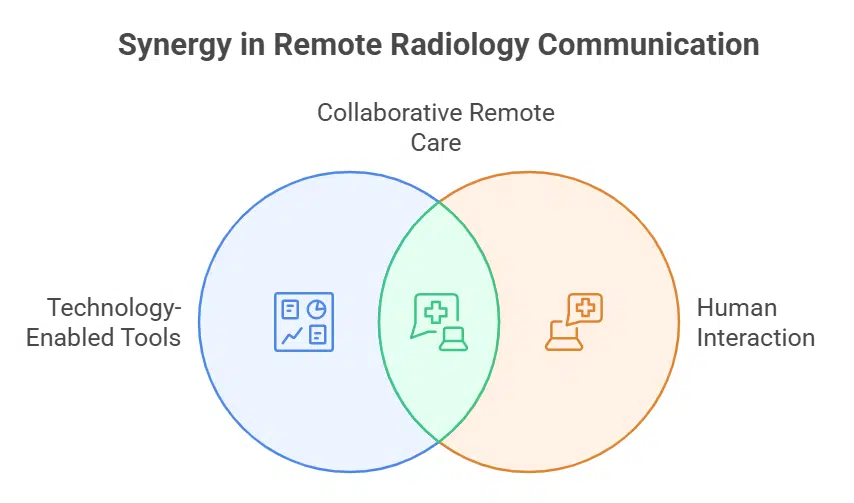
Communication is a cornerstone of effective radiology care, especially when radiologists are working remotely as part of teleradiology services. AI and data analytics can enhance communication by providing structured reports, visual aids, and decision-support tools that help referring physicians understand complex findings.
The Radiology Group goes a step further by offering a HIPAA-compliant messaging app that allows seamless, instant communication between their radiologists and rural hospital teams. This combination of technology and human interaction creates a dynamic feedback loop where questions can be addressed quickly, and care decisions can be made collaboratively.
Such tools help overcome one of the biggest challenges of remote radiology: the risk of isolation and disconnect from frontline providers. They enable radiologists to remain accessible and engaged, even when working miles away, ensuring that technology supports rather than hinders human connection.
Balancing Innovation with Empathy
The future of radiology will undoubtedly involve more sophisticated AI and data-driven tools. However, The Radiology Group’s experience underscores that success depends on maintaining a patient-centered approach grounded in empathy and communication. Radiologists need to be trained not only in technology but also in interpersonal skills, cultural awareness, and ethical considerations related to AI use.
For rural hospitals, where healthcare resources are often stretched thin, combining cutting-edge technology with a personalized approach can dramatically improve outcomes. When radiologists take the time to understand their community’s unique needs and communicate clearly with care teams, AI becomes a powerful ally rather than a barrier.
A Human-Centered Approach to Radiology Innovation
As data analytics and AI reshape radiology, The Radiology Group offers an inspiring model of how technology can enhance services without sacrificing the human touch. Their dedication to rural healthcare, personalized communication, and radiologist well-being shows that embracing innovation and empathy are not mutually exclusive—they are complementary.
Radiology’s future lies in collaboration between human expertise and technological power. By thoughtfully integrating AI into workflows and prioritizing relationships, radiologists can provide faster, more accurate, and more compassionate care. For rural communities and beyond, this balance ensures that advances in radiology technology truly translate into better health outcomes and stronger healthcare partnerships.
In this evolving landscape, The Radiology Group stands as a reminder that at the heart of every image, algorithm, and diagnosis is a person—someone who deserves both the best technology and the warmest human care.