

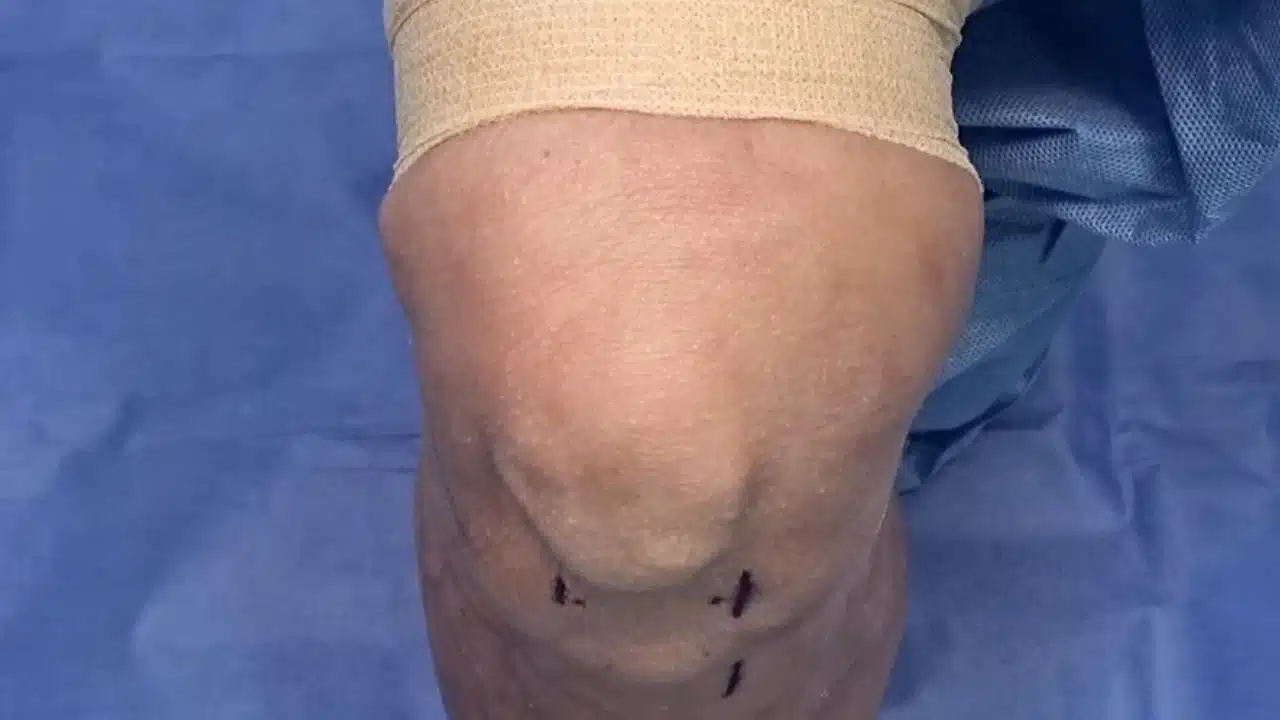
I never expected a single moment in my kitchen to change my life. One slip of a pot, one splash of scalding water, and suddenly I was dealing with a burn wound that refused to heal. What started as something I thought would be uncomfortable for a couple of weeks turned into a frightening battle with infection, pain, and uncertainty. I had no idea that the thing that would ultimately save my life wasn’t a pill or a surgery, but an allograft tissue, a gift of healing from a human donor.
This is my story, and I’m sharing it not only to bring awareness to the power of tissue donation but also because someone else out there might be facing the same fear, frustration, and helplessness that I did. And if my experience can bring even a little hope, it’s worth telling.
The Burn That Wouldn’t Heal
The initial burn was painful, but I didn’t think it was severe. I treated it the usual way: cool water, over-the-counter ointment, clean dressings. I figured it would start closing up within a week or two. But it didn’t.
Instead, the wound seemed stuck in the same state of redness, rawness. Every time I checked it, it looked exactly the same, or worse. What I expected to be a normal healing process turned into a daily reminder that something was very wrong. The skin wouldn’t regenerate. The edges refused to tighten. I began to notice a foul smell and increased warmth around the area, two signs I definitely didn’t want to see.
By the time I went to the doctor, the wound was showing early signs of infection, and the tissue around it was starting to break down rather than rebuild.
When Infection Sets In, Everything Changes
There is something deeply unsettling about watching your own body fail to heal itself. The infection brought a whole new layer of fear. I was suddenly dealing with fevers, chills, and a constant throbbing that made sleep nearly impossible. My doctor explained that because the burn was deep and not healing properly, bacteria had found a way in, and they were thriving.
We tried antibiotics. We tried to do a debridement. We tried advanced dressings and topical treatments.
Nothing worked.
The wound simply refused to progress. Each day, the risk grew: infection spreading, tissue loss, and the possibility of long-term damage. I reached a point where my doctor looked me in the eyes and said, “We need to consider an allograft.”
I didn’t know what that was. But I remember feeling a mix of hope and worry, hope that there was still an option, and worry because anything unfamiliar feels scary when your health is already spiraling.
What an Allograft Tissue Is, and Why It Was My Lifeline
An allograft tissue is donated human skin that has been carefully screened, processed, and preserved so it can be used to help patients like me. It essentially acts as a biological bandage, giving the wounded area the protective covering and environment it needs to heal.
I learned that allografts are often used in severe burns, chronic wounds, and injuries where the body can’t repair itself alone. They provide temporary (and sometimes long-term) coverage that reduces pain, prevents dehydration, lowers the risk of infection, and supports the natural healing process.
When my doctor explained that an allograft could give my wound the “jump-start” it needed to grow new tissue, something inside me finally felt hopeful again.
The Procedure: A Moment of Relief After Weeks of Pain
The day I received the allograft, the medical team prepped the wound, cleaned out the infected tissue, and then carefully laid the donor skin over the area. They secured it in place, bandaged it, and told me what to expect.
For the first time in weeks, I felt an immediate sense of relief, not just physically, but emotionally. The throbbing eased. The burning, itchy sensation in the open tissue subsided. My body felt…contained again.
Within the first few days, my doctor noticed something that hadn’t happened once since the burn: the wound was finally progressing.
The tissue underneath began to look healthier. New cells were forming. The redness and swelling from the infection began to fade. It was as if the allograft had given my body a blueprint for how to rebuild itself.
And honestly, that’s exactly what it did.
Healing, Gratitude, and the Reality of Second Chances
Over the next few weeks, my wound continued to improve. The allograft eventually did what it was meant to do, provide the support and biological environment my own skin needed to regenerate. What had once been a terrifying, infected burn transformed into healthy, healing tissue.
I still remember the feeling of seeing the wound almost fully closed for the first time. After so many days of discouragement, pain, and fear, it felt like witnessing a miracle.
But it wasn’t a miracle. It was someone’s gift.
That’s the part that stays with me. The allograft came from a human donor, someone who chose to offer healing to strangers even after their own life ended. Someone whose generosity gave me my life back.
I think about that often.
What I Learned Through This Experience
My journey changed how I view medical science, but even more, how I view generosity. Here are a few things I walked away with:
Tissue donation really does save lives.
I’m living proof. Without the allograft, my infection could have worsened, and the wound may never have healed properly.
Burns don’t always heal on their own.
Even “small” or “simple” burns can turn dangerous quickly. Never ignore signs like slow healing, spreading redness, or unusual pain.
Asking for help isn’t a weakness, it’s survival.
I waited longer than I should have had to see a doctor. I learned the hard way that early intervention makes all the difference.
Gratitude runs deeper when you heal because of someone else.
Knowing that a donor made my healing possible gave the experience a profound sense of connection and meaning.
Why I’m Sharing This
If you found this story because you’re dealing with a non-healing wound or a burn that scares you, I want you to know this: there is hope. Medical advances, such as allograft tissue, can be life changing. You’re not out of options, even when it feels like everything is going wrong.
And if you’ve never considered tissue donation before, I hope my story demonstrates just how powerful that choice can be.
Because the allograft didn’t just heal my wound, it truly saved my life.





















