
Clear speech and effective communication are vital life skills that play a significant role in a child’s social, emotional, and cognitive development.
As a parent, you can help support and guide your child through the different stages of speech development, ensuring they communicate clearly and confidently.
By engaging with your child in purposeful activities and being mindful of their needs, you can significantly boost their language and communication abilities. Here are six detailed tips to help your child develop clear speech and communication skills.
1. Create a Language-Rich Environment
A language-rich environment is one where your child is constantly exposed to words, sentences, and communication through conversation, reading, and interaction.
One of the most effective ways to support speech development is to engage your child in regular conversations. Talk to them frequently about a variety of topics—whether it’s about their day at school, what they want for dinner, or their thoughts on the weather.
Use clear, simple language but avoid “baby talk” as much as possible. Speak slowly, articulate words carefully, and maintain eye contact to reinforce the importance of verbal communication.
Encourage your child to express themselves and ask open-ended questions to give them more opportunities to talk.
Surround Them with Books and Stories
Reading to your child from a young age is one of the best ways to introduce them to new vocabulary and sentence structures. Make storytime a daily activity and choose books that are age-appropriate.
Point to pictures as you read, and encourage your child to name objects, characters, and actions. As your child grows older, ask them to summarize the story or predict what might happen next, which helps with both comprehension and verbal expression.
2. Model Correct Speech and Pronunciation
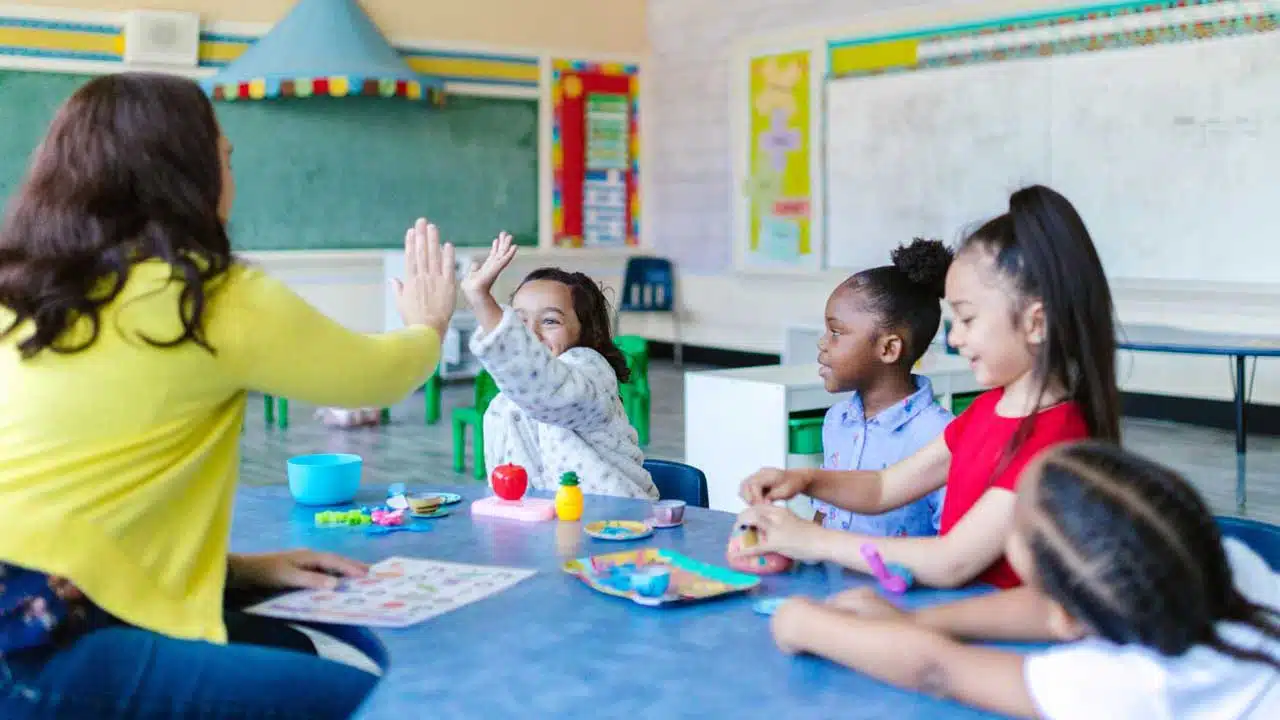
Children learn a lot about speech by listening to the people around them, so it’s essential to model clear and correct speech yourself.
When you speak with your child, slow down and enunciate your words carefully, making sure you use proper pronunciation. Avoid rushing through sentences or using too many complex words at once, especially if your child is just beginning to develop their speech skills.
By hearing clear speech from you, your child will have a good reference point for how words should sound. This can help them correct any mispronunciations and build confidence in using new words.
Remember, consistency is key, so ensure that everyone in the child’s environment—parents, caregivers, siblings—follows this practice.
Correct Gently, Not Forcefully
When your child mispronounces a word or struggles with certain sounds, gently correct them without causing frustration.
For example, if your child says “wabbit” instead of “rabbit,” respond by acknowledging their effort but providing the correct pronunciation: “Yes, that’s a cute rabbit!” This way, your child feels encouraged rather than criticized.
Repeating the correct form of words helps reinforce learning without making them feel self-conscious about their speech.
3. Use Play to Encourage Speech Development
Children naturally learn and communicate through play. Play-based learning is an excellent tool for developing speech and communication skills, as it allows children to express themselves freely in a fun and relaxed environment.
Games like “pretend play,” where children role-play as doctors, teachers, or shopkeepers, can stimulate vocabulary growth and sentence formation.
Introduce toys that encourage speech, such as dolls, action figures, or puppets. You can use these toys to create dialogues, asking questions and encouraging your child to respond.
This type of interaction helps build conversational skills and gives your child the confidence to use language in new and creative ways.
Sing Songs and Recite Rhymes
Singing songs and reciting nursery rhymes are both enjoyable and effective ways to help your child with speech. Songs and rhymes often have repetitive patterns, which make it easier for children to remember words and phrases. Singing also introduces rhythm and melody to speech, which can enhance your child’s understanding of language flow and pronunciation.
Encourage your child to sing along with you and perform simple hand motions to go along with the lyrics. This adds an element of physical engagement that can make learning more dynamic and memorable.
4. Expand Your Child’s Vocabulary Gradually

Expanding your child’s vocabulary is an important part of helping them develop clear speech. However, it’s essential to introduce new words gradually and within the context of their daily lives.
For instance, if you’re at the grocery store, use the opportunity to name different fruits and vegetables, explaining their colors, textures, and tastes. This not only helps with speech but also enhances their understanding of the world around them.
Introduce new words during regular conversations or while reading together. When you come across a word your child doesn’t know, explain it in simple terms and provide examples of how to use it in a sentence.
Avoid overwhelming your child with too many new words at once; instead, focus on repetition and usage to ensure they remember and feel comfortable using the word.
Encourage Your Child to Ask Questions
Children are naturally curious, and their questions provide an excellent opportunity to introduce new vocabulary and concepts. Encourage your child to ask questions about things they don’t understand, and take the time to explain the answers thoroughly.
By answering their questions, you help expand their language comprehension and give them more words to express themselves clearly.
5. Practice Active Listening and Positive Reinforcement
Active listening is a powerful tool in speech development. When your child speaks, show them that you’re fully engaged in the conversation by maintaining eye contact, nodding, and responding thoughtfully.
Avoid interrupting or finishing their sentences for them, as this can discourage them from speaking up. Instead, give them time to form their thoughts and complete their sentences.
By practicing active listening, you send a message to your child that their speech and ideas are important, which boosts their confidence in communicating.
Praise Efforts, Not Just Results
Positive reinforcement goes a long way in helping children feel good about their speech progress. Praise your child not only for getting words right but also for making an effort to communicate.
For example, if your child tries to say a new word but struggles, respond with encouraging feedback such as, “Great job trying to say that word! You’re getting better each time.”
Providing positive feedback fosters a supportive learning environment, making your child more likely to keep practicing and improving their speech.
6. Address Speech Delays or Challenges Early

While every child develops at their own pace, it’s important to be aware of general speech milestones to ensure your child is on track.
By the age of 2, most children can say simple sentences with two to four words, and by the age of 3, they should be able to have conversations with more complete sentences.
If you notice that your child is not meeting these milestones or struggles significantly with pronunciation, it may be time to seek guidance from a speech-language pathologist.
Early intervention can make a significant difference in overcoming speech delays or challenges. Speech therapists can assess your child’s specific needs and create personalized strategies to improve their communication skills.
Don’t Panic, But Take Action
It’s natural for parents to worry if their child experiences speech delays or has trouble pronouncing certain sounds. However, many speech issues can be resolved with early intervention and consistent practice.
If you’re concerned, consult a pediatrician or speech therapist for guidance on how to best support your child. The earlier you address any speech challenges, the more likely your child will develop clear, confident communication skills as they grow.
Conclusion: Nurturing Clear Speech and Confident Communication in Your Child
Helping your child develop clear speech and strong communication skills is an ongoing process that requires patience, consistency, and involvement.
By creating a language-rich environment, modeling correct speech, and encouraging playful learning, you lay a solid foundation for your child’s ability to express themselves clearly and confidently.
Introducing new vocabulary gradually and practicing active listening are powerful strategies that build your child’s linguistic abilities and strengthen their conversational skills.
It’s also crucial to address any speech delays or challenges early on, without panic, but with proactive steps like consulting a speech therapist if necessary.
Early intervention, combined with your daily efforts to foster language development, can make a world of difference. Remember, speech development is unique to each child, and progress may vary.
Your positive reinforcement and patience are key to keeping your child motivated and helping them feel confident as they navigate the world of words.