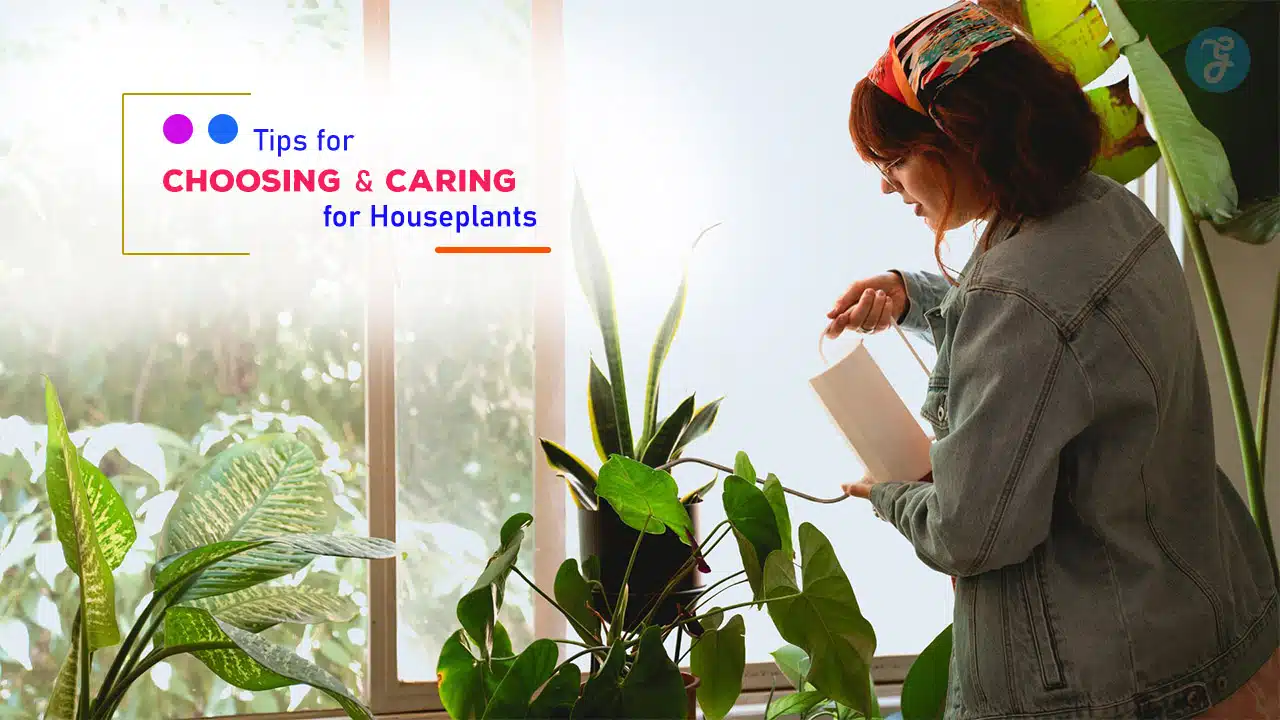
Houseplants are a great way to enhance the beauty of your home while promoting a sense of calm and well-being.
They can purify the air, increase humidity, and add a touch of nature to indoor spaces. However, choosing and caring for houseplants can sometimes be daunting, especially for beginners.
With a little knowledge and some essential tips, you can easily select the best houseplants for your environment and ensure they thrive.
This detailed guide will provide 15 tips for choosing and caring for houseplants, helping you create a green and vibrant indoor garden.
1. Understand Your Light Conditions
Why It’s Important:
Light is one of the most critical factors in determining whether your houseplants will thrive.
Different plants have different light requirements, and understanding the light conditions in your home is the first step toward choosing the right plants.
How to Do It:
- Assess natural light:
Identify the light levels in different areas of your home by observing how much sunlight enters each room throughout the day.
South-facing windows generally receive the most sunlight, while north-facing windows receive the least.
- Understand light categories:
Most houseplants are categorized into three light requirements—low light, medium light, and bright light.
Choose plants that match the light conditions of your home.
- Use supplemental lighting:
If your home lacks sufficient natural light, consider using grow lights to supplement it.
LED grow lights can mimic natural sunlight and help plants thrive in darker environments.
Benefit:
Understanding your home’s light conditions ensures that you choose plants that will thrive in their specific environment, preventing issues like leggy growth or wilting.
2. Choose Plants That Match Your Lifestyle
Why It’s Important:
Just like pets, houseplants require care and attention.
Some plants are low-maintenance, while others need regular watering, misting, and pruning.
Consider your lifestyle and how much time you can realistically dedicate to caring for your plants when selecting which ones to bring home.
How to Do It:
- Opt for low-maintenance plants:
If you’re a beginner or have a busy schedule, choose hardy, low-maintenance plants like succulents, snake plants, or ZZ plants that don’t require frequent attention.
- Consider plants that suit your schedule:
If you travel often, look for drought-tolerant plants that can go long periods without water, such as cacti or aloe vera.
If you’re home frequently, you can care for more delicate plants like ferns or orchids.
- Think about pet safety:
If you have pets, be mindful of plant toxicity.
Some plants, such as lilies and pothos, can be harmful to animals if ingested.
Choose pet-safe plants like spider plants or Boston ferns.
Benefit:
By choosing plants that align with your lifestyle, you can ensure that plant care feels manageable and enjoyable, rather than overwhelming or stressful.
3. Research Plant Requirements Before Purchase
Why It’s Important:
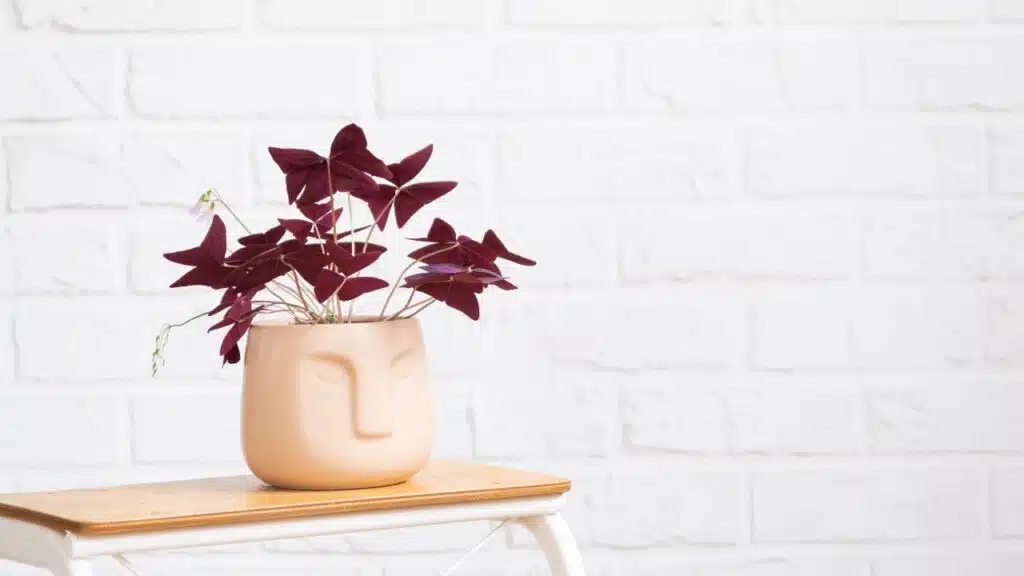
Each plant has specific needs, including watering, humidity, and temperature requirements.
Researching a plant’s care requirements before purchasing helps you determine whether it will thrive in your home’s environment and if you can meet its needs.
How to Do It:
- Read plant labels:
When shopping for plants, take note of the care instructions on the label or tag, which typically outline light, water, and humidity needs.
- Research online:
Use trusted online resources or plant care apps to learn more about a specific plant’s requirements before bringing it home.
- Visit local nurseries:
Ask knowledgeable staff at nurseries for advice on how to care for a particular plant and whether it will do well in your home’s environment.
Benefit:
Researching plant requirements ahead of time ensures that you choose plants that will thrive in your home’s conditions, leading to healthier plants and a more successful indoor garden.
4. Start with Easy-to-Care-For Plants
Why It’s Important:
If you’re new to houseplants, it’s best to start with plants that are easy to care for.
Beginner-friendly plants are typically more forgiving and can withstand occasional neglect or care mistakes.
How to Do It:
- Choose hardy plants:
Plants like snake plants, pothos, and peace lilies are known for being resilient and can thrive in a variety of conditions.
- Avoid plants with specific needs:
Steer clear of plants that require high humidity or exact watering schedules, like ferns and orchids, until you’ve gained more experience.
- Learn with a small collection:
Start with just a few plants to gain confidence in plant care.
Once you feel comfortable, gradually expand your collection with more diverse species.
Benefit:
Starting with easy-to-care-for plants allows you to build your plant care skills gradually, reducing the likelihood of plant stress or failure and increasing your enjoyment.
5. Water Plants Properly
Why It’s Important:
Watering is one of the most important aspects of plant care, but it’s also where many plant owners go wrong.
Overwatering and underwatering are common issues that can lead to root rot, yellowing leaves, or plant death.
Understanding how to water your plants properly is essential for keeping them healthy.
How to Do It:
- Check soil moisture:
Always check the moisture level of the soil before watering.
Stick your finger about an inch into the soil—if it feels dry, it’s time to water.
If it’s still moist, wait a few days.
- Water thoroughly:
When you water, do so deeply until the excess starts draining out of the pot.
This ensures that the roots receive enough water and prevents salt buildup in the soil.
- Adjust frequency based on plant type:
Some plants, like succulents and cacti, prefer dry soil and infrequent watering.
Others, like ferns, enjoy consistently moist soil.
Research each plant’s watering preferences to avoid over- or under-watering.
Benefit:
Watering your plants correctly promotes strong root growth, prevents diseases like root rot, and keeps your plants healthy and thriving.
6. Use the Right Potting Soil
Why It’s Important:
Using the right type of potting soil is crucial for plant health.
Different plants require different soil types, and using the wrong soil can lead to drainage issues, poor root development, or nutrient deficiencies.
How to Do It:
- Choose the right soil type:
Plants like succulents and cacti need well-draining soil, while tropical plants like ferns prefer moisture-retentive soil.
Choose potting mixes specifically formulated for your plant type.
- Mix your own soil:
For more control, you can create custom soil mixes.
For example, you can mix potting soil with perlite or sand for better drainage for succulents.
- Avoid garden soil:
Never use garden soil for houseplants, as it can compact over time, leading to poor drainage and root issues.
Garden soil may also contain pests or diseases that can harm indoor plants.
Benefit:
Using the right potting soil ensures proper drainage, supports healthy root development, and provides the nutrients your plants need to thrive.
7. Ensure Proper Drainage
Why It’s Important:
Proper drainage is essential for preventing water from sitting in the soil and causing root rot.
Plants that are left in standing water for too long are at risk of drowning, which can lead to yellowing leaves and root death.
How to Do It:
- Use pots with drainage holes:
Always use pots with drainage holes at the bottom to allow excess water to escape.
If your plant comes in a pot without holes, consider repotting it into a more suitable container.
- Layer with drainage material:
Add a layer of pebbles or small stones at the bottom of your pot before adding soil.
This creates space for excess water to drain and prevents roots from sitting in water.
- Avoid overwatering:
Even with proper drainage, avoid overwatering your plants.
Always check the soil moisture before adding more water.
Benefit:
Ensuring proper drainage prevents root rot and other water-related problems, promoting healthier, longer-lasting plants.
8. Fertilize Your Plants Regularly
Why It’s Important:
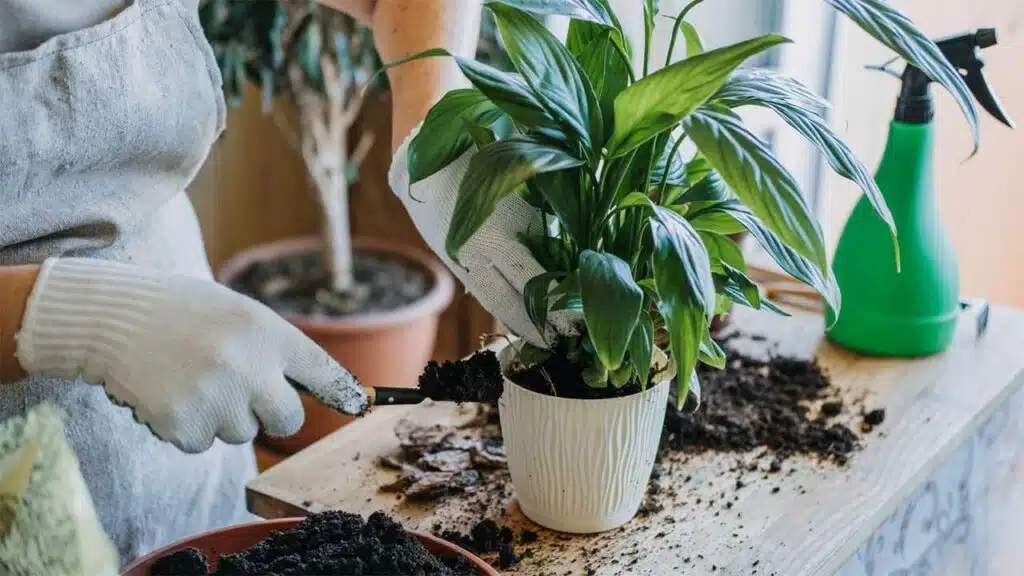
Houseplants need nutrients to grow, and over time, the nutrients in potting soil can become depleted.
Fertilizing your plants provides them with the essential nutrients they need for strong growth, healthy leaves, and vibrant blooms.
How to Do It:
- Use a balanced fertilizer:
Look for a balanced houseplant fertilizer (e.g., 10-10-10) or one tailored to your specific plant type.
Liquid fertilizers are easy to use and can be applied during watering.
- Follow a fertilizing schedule:
Fertilize your plants every 4-6 weeks during the growing season (spring and summer) and reduce or stop fertilizing during the dormant season (fall and winter).
- Avoid over-fertilizing:
Too much fertilizer can cause salt buildup in the soil, leading to leaf burn or root damage.
Always follow the recommended dosage on the fertilizer label.
Benefit:
Fertilizing your plants ensures they receive the nutrients they need to thrive, promoting healthy growth and vibrant, long-lasting foliage.
9. Monitor Humidity Levels
Why It’s Important:
Many houseplants, especially tropical varieties like ferns, orchids, and peace lilies, thrive in environments with higher humidity.
Indoor air, especially in the winter, can be quite dry, which can cause the leaves of these plants to brown or curl.
How to Do It:
- Use a humidifier:
If you live in a dry climate or your home gets particularly dry in the winter, use a humidifier to increase the humidity levels in the room where your plants are located.
- Group plants together:
Grouping plants closely together can help create a microclimate with higher humidity, as plants naturally release moisture into the air.
- Mist plants:
Lightly misting the leaves of humidity-loving plants can help boost moisture levels temporarily.
Be careful not to overdo it, as excessive moisture can lead to fungal growth.
Benefit:
Monitoring and maintaining proper humidity levels helps plants retain moisture, leading to healthier leaves, better growth, and a reduced risk of dryness-related issues.
10. Repot When Necessary
Why It’s Important:
As plants grow, they eventually outgrow their pots and become root-bound, meaning their roots have filled the pot and can’t grow properly.
Repotting ensures that your plant has enough space to grow and access to fresh soil, promoting healthier roots and better growth.
How to Do It:
- Look for signs of root-bound plants:
If you notice roots growing out of the drainage holes or circling around the pot, it’s time to repot.
- Choose a pot slightly larger:
When repotting, select a pot that is 1-2 inches larger in diameter than the current pot to give the roots room to grow.
- Refresh the soil:
When repotting, use fresh potting soil to provide new nutrients and better drainage.
Benefit:
Repotting your plants when necessary allows their roots to grow freely, ensuring that they remain healthy and continue to thrive.
11. Rotate Your Plants for Even Growth
Why It’s Important:
Plants naturally grow toward the light, which can cause them to lean or become lopsided if they’re exposed to sunlight from one direction for an extended period.
Rotating your plants ensures even growth and a more balanced appearance.
How to Do It:
- Rotate every few weeks:
Turn your plants 90 degrees every couple of weeks so that all sides of the plant receive equal sunlight.
- Observe growth patterns:
If you notice your plant leaning toward the light, rotate it more frequently to encourage balanced growth.
- Use a lazy Susan:
For larger plants, placing the pot on a rotating base or lazy Susan makes it easier to rotate the plant regularly.
Benefit:
Regularly rotating your plants promotes even, symmetrical growth, making them look fuller and healthier.
12. Prune and Trim Your Plants
Why It’s Important:
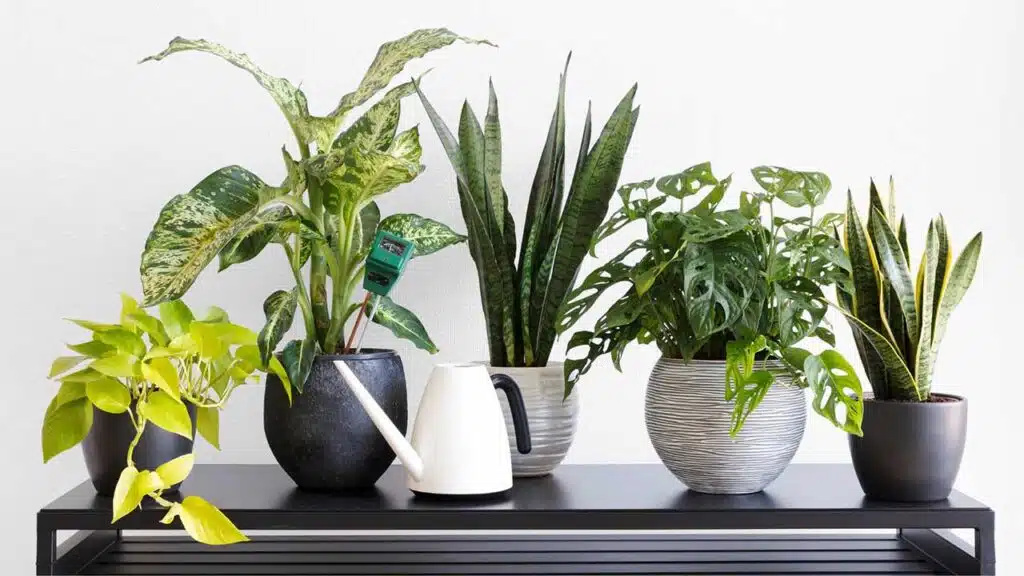
Pruning and trimming your plants help remove dead or damaged leaves, encourage new growth, and maintain the plant’s shape.
Regular maintenance also prevents the plant from becoming overgrown and promotes a tidy appearance.
How to Do It:
- Remove dead leaves:
Regularly check your plants for yellowing, brown, or dead leaves and gently remove them by cutting close to the base.
- Trim leggy growth:
If your plant is becoming leggy (long, spindly growth), trim back the stems to encourage bushier, fuller growth.
- Use clean tools:
Always use clean, sharp scissors or pruning shears to avoid spreading disease between plants.
Benefit:
Pruning and trimming your plants encourage healthy growth, improve air circulation, and maintain a neat, attractive appearance.
13. Prevent Pests and Diseases
Why It’s Important:
Houseplants can attract pests such as spider mites, aphids, and mealybugs, as well as diseases like powdery mildew or root rot.
Preventing and managing these issues early is key to keeping your plants healthy.
How to Do It:
- Inspect new plants:
Before bringing a new plant home, inspect it for signs of pests or disease.
Quarantine new plants away from your existing collection for a week or two to ensure they’re pest-free.
- Wipe leaves regularly:
Dust and dirt can attract pests, so clean your plants’ leaves regularly with a damp cloth.
- Use natural pest control:
For minor pest infestations, use natural remedies like neem oil or insecticidal soap to control pests without harming your plants.
Benefit:
Proactively preventing and treating pests and diseases keeps your houseplants healthy and thriving, ensuring they remain an attractive addition to your home.
14. Acclimate Plants Gradually
Why It’s Important:
Plants can go into shock when they are suddenly moved to a new environment with different light, temperature, or humidity conditions.
Acclimating your plants gradually helps them adjust to their new surroundings without stress.
How to Do It:
- Avoid drastic changes:
When moving a plant from one spot to another, avoid drastic changes in light or temperature.
Gradually expose the plant to its new environment by moving it a little closer to its final spot each day.
- Monitor for signs of stress:
Keep an eye on your plant after moving it to a new location.
If you notice wilting, yellowing leaves, or stunted growth, it may need to be returned to its original environment.
- Transition slowly:
When bringing outdoor plants indoors for the winter, transition them slowly by placing them in a shaded, sheltered spot outside before bringing them indoors.
Benefit:
Gradually acclimating plants to new environments minimizes stress and helps them adapt more easily, leading to healthier growth and better longevity.
15. Know When to Let Go
Why It’s Important:
Even with the best care, some plants may fail to thrive or recover from issues like disease, pests, or extreme stress.
Knowing when to let go of a struggling plant allows you to focus your energy on the healthier plants in your collection.
How to Do It:
- Evaluate the plant’s health:
If a plant has been struggling for an extended period and hasn’t responded to care, it may be time to let it go.
- Repurpose the soil or pot:
Salvage healthy soil, pots, or decorative containers from plants that have died to repurpose for new plants.
- Learn from mistakes:
Reflect on what went wrong and use the experience to improve your plant care skills for future plants.
Benefit:
Knowing when to let go of a dying plant helps you maintain a healthy, thriving indoor garden and reduces frustration over caring for a plant that may not recover.
Conclusion
Choosing and caring for houseplants doesn’t have to be overwhelming.
By following these 15 detailed tips, you can create a beautiful, thriving indoor garden that enhances your living space and promotes a sense of well-being.
Whether you’re a beginner or an experienced plant parent, these tips will help you select the right plants, care for them properly, and enjoy the many benefits that houseplants offer.
With the right approach, your plants will flourish, adding life and greenery to your home for years to come.