Taking care of someone with limited mobility, whether it’s an elderly family member or a loved one recovering from surgery, can feel overwhelming at times. One of the biggest challenges is helping them move safely and comfortably, especially when transitioning from sitting to standing. You want to make sure they’re supported while also protecting yourself from injury. That’s where a sit-to-stand lift comes in. These devices are designed to assist people who need help getting up, reducing strain on both the person using it and the caregiver. But with so many options on the market, how do you choose the right one for your home? The answer comes down to understanding your loved one’s specific needs and the features that will make daily living easier for both of you.
Understanding Your Loved One’s Needs
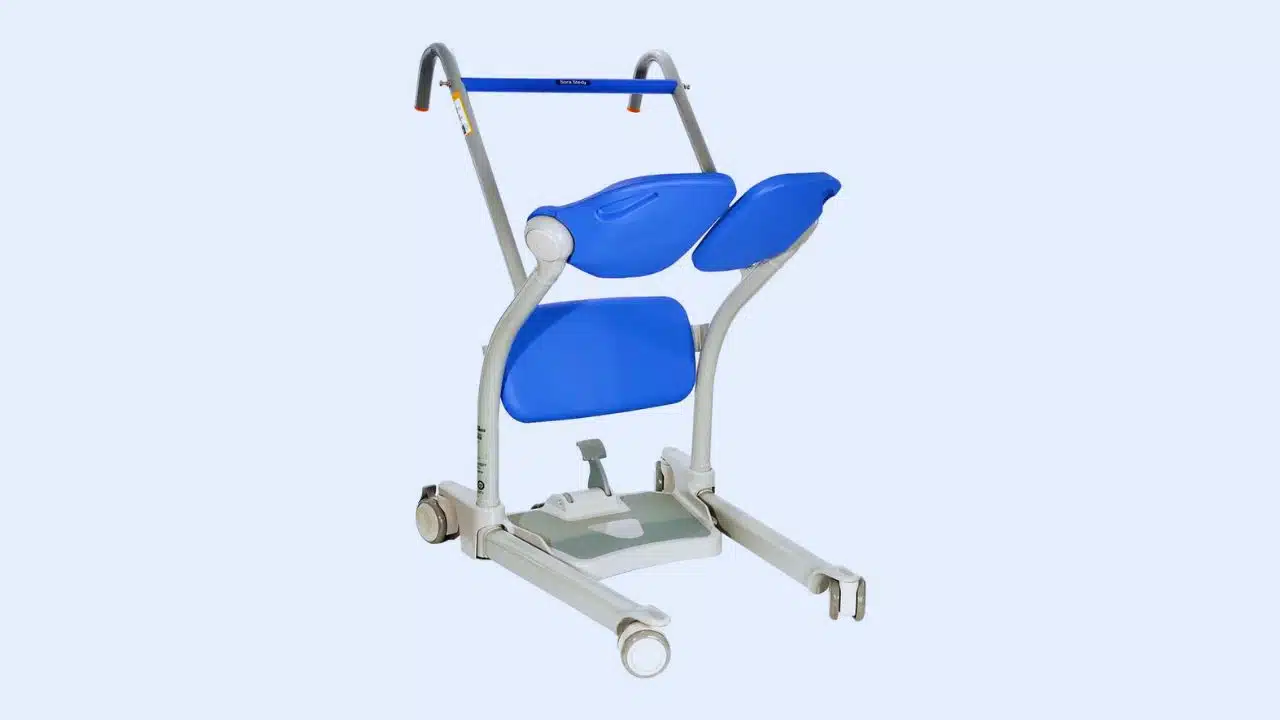
The first thing to consider is the level of mobility and strength your loved one has. Sit-to-stand lifts are designed for individuals who can bear some of their weight but may not have the full strength or balance to stand up completely on their own. Does your loved one have enough upper body strength to pull themselves up? Can they support some of their weight with their legs, or do they rely heavily on others for assistance? For example, the Sara Stedy sit-to-stand manual patient lift is ideal for someone with enough arm strength to lift themselves partially while benefiting from extra support and stability to complete the standing motion.
Safety First
When it comes to any mobility device, safety should always be your top priority. A good sit-to-stand lift will have features that ensure your loved one is safe during every transfer. Look for sturdy, non-slip footrests and soft knee pads to keep their legs stable during movement. Also, be sure the lift is designed to handle the user’s weight. Most lifts can hold up to 400 pounds, but always check the maximum weight recommendation to be sure it’s safe for your loved one. Safety features like hand grips or bars they can hold onto while standing can also provide extra reassurance.
Ease of Use for Caregivers
Caring for someone with mobility issues can be physically demanding, and using the wrong lift can add to that burden. You want a lift that’s easy to maneuver, especially if you need to move your loved one between rooms, from their bed to a chair, or into the bathroom. Sit-to-stand lifts should be lightweight yet sturdy enough to provide strong support. The pedals that control the legs of the lift should be easy to operate, allowing you to adjust the base to fit around furniture, wheelchairs, or toilets.
Comfort for Your Loved One
It’s not just about safety; it’s also about making sure your loved one feels comfortable. A good sit-to-stand lift should offer support in a way that doesn’t feel intrusive or uncomfortable. The seat should also feel stable and secure once lifted, so they don’t feel like they will slip or fall. Consider how the lift is adjusted to the user’s height as well. Some models come in different sizes to accommodate people of different heights. Using a well-fitted lift can also contribute to fitness-building by encouraging proper posture and movement during transfers.
Portability and Storage
Space can be limited in a home environment. You don’t want a lift that’s so big and bulky that it’s difficult to store or use in different rooms. Look for a sit-to-stand lift with a compact and foldable design that can be stored easily when unused. Before purchasing, measure the doorways and spaces where you plan to use the lift. The turning radius of the lift is also something to consider; tight corners or narrow spaces can make it difficult to maneuver, so choosing a lift with good mobility will save you a lot of hassle.
Budget Considerations
Finally, consider your budget. Sit-to-stand lifts can vary in price depending on their features, so it’s important to find a balance between what you need and what you can afford. Remember that while some lifts may seem expensive upfront, they’re an investment in your loved one’s safety, comfort, and peace of mind.
Final Thoughts
Choosing the right sit-to-stand lift for your home is about making sure your loved one feels safe and supported and that you, as a caregiver, can help them without risking your well-being. The right lift will reduce the physical strain on you, giving your loved one the dignity and independence they deserve. By making an informed choice, you can ease the stress of caregiving, knowing that you and your loved one are safer and more comfortable during every transfer.