

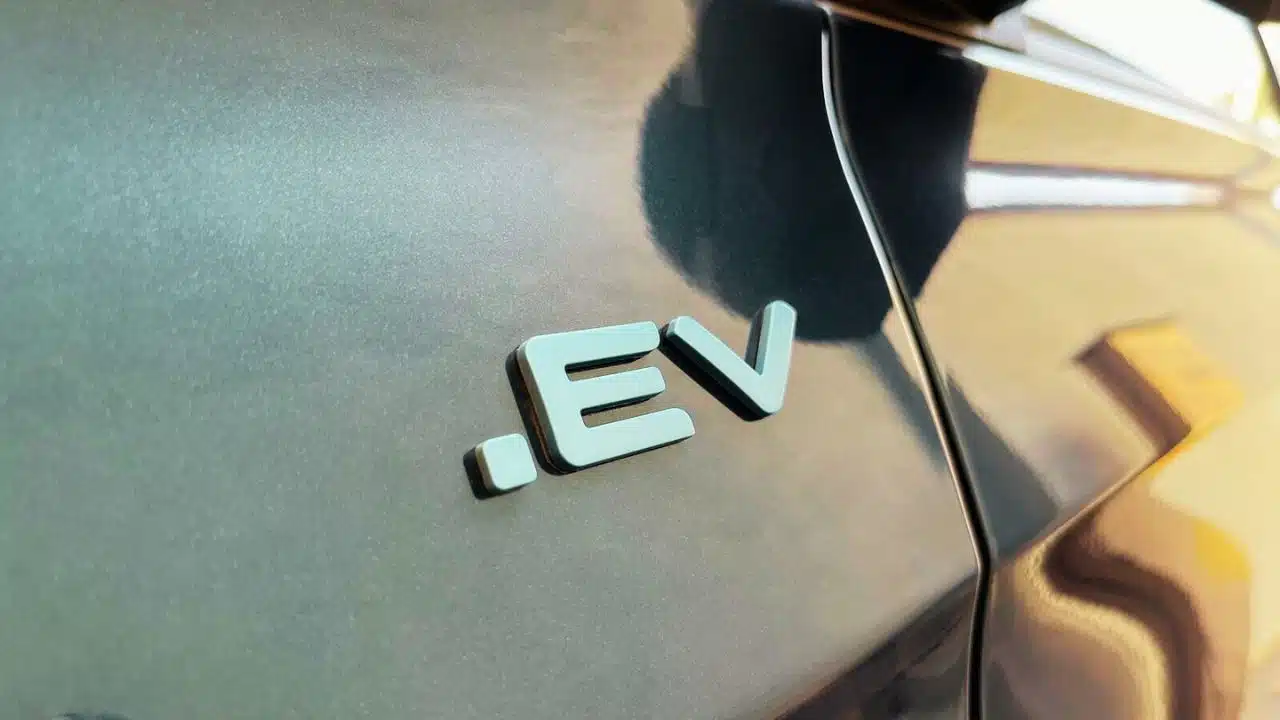
China Ends EV Subsidies After Decade of Support

China Ends EV Subsidies

China has signaled the end of its decade-long electric vehicle subsidy era by excluding EVs from its 2026-2030 strategic industries plan, marking a dramatic policy shift just as Chinese automakers achieved their strongest month ever in Europe with record sales performance.

For the first time in over a decade, electric vehicles were omitted from China’s list of strategic emerging industries in its 15th Five-Year Development Plan, published Tuesday by the official Xinhua News Agency. The exclusion represents a fundamental change for a sector that received billions in government support since 2009, transforming China into the world’s largest EV market where electric vehicles now account for over 50% of total auto sales.​

European Market Breakthrough Demonstrates Sector Maturity

The policy shift comes as Chinese EV manufacturers posted their best European performance ever, capturing a record 7.4% of all passenger car sales across Europe in September, according to researcher Dataforce. BYD led the surge with a 398% year-over-year increase in European registrations, reaching 24,963 units. SAIC Motor’s MG brand and Chery Automobile Co. rounded out the top performers, collectively surpassing South Korean automakers like Kia Corp. for the first time.​

The European breakthrough demonstrates the sector’s evolution from subsidy-dependent to globally competitive. BYD’s European registrations from January to September totaled 120,859 units, marking a 299.5% increase from the previous year. Chinese brands’ combined European sales exceeded those of established manufacturers including Audi and Renault.​

Strategic Pivot Toward Emerging Technologies
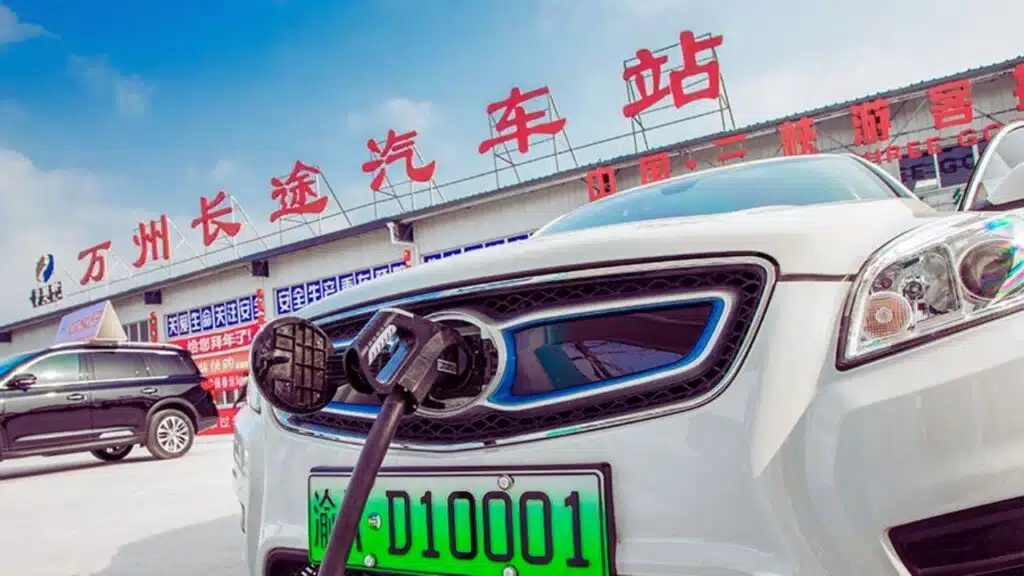
China Ends EV Subsidies

China’s strategic pivot reflects confidence that its EV industry has achieved sufficient maturity to compete independently. “It’s an official acknowledgement that electric vehicles no longer need prioritised policies. Electric vehicle subsidies will fade,” said Dan Wang, China director at consultancy Eurasia Group. The government instead prioritizes quantum technology, bio-manufacturing, hydrogen energy, and nuclear fusion as new economic growth drivers.​

The move addresses mounting oversupply concerns, with 93 of 169 automakers operating in China holding market shares below 0.1%. President Xi Jinping warned against “rushing headlong” into industries without considering sustainability, questioning whether every province needed to develop sectors like artificial intelligence and EVs.​

While China phases out purchase tax rebates by 2027, Chinese manufacturers continue expanding globally. The success in Europe, where plug-in hybrid sales surged 62% in September, validates the sector’s transition from government dependency to market-driven growth, positioning Chinese brands to compete internationally without subsidies.



Subscribe to Our Newsletter

Related Articles

Top Trending

How to Teach Letters to Kids
8 Ways to Teach Letters to Kids Who Hate Sitting Still
Alphabet Magic vs 123 Magic Number Fun
Alphabet Magic vs 123 Magic Number Fun: Which Skill Does Each App Actually Target?
How to Promote a Blog Post After Publish
10 Best Ways to Promote a Blog Post After Hitting Publish
How to Help a Child Who Refuses to Count Aloud
Articleify 7th anniversary
Happy 7th Anniversary of ArticleIFY: The Journey from a Small Room to Global Horizons

Technology & AI

SEO Agency vs In-House SEO vs Freelancer
SEO Agency vs In-House SEO vs Freelancer: A Decision Framework for Small Teams
ImagineLab Voice Lab vs Murf AI
ImagineLab Voice Lab vs Murf AI: I Tried Multilingual Narration from the Same Script
Best Document Collaboration Tools
10 Best Online Document Collaboration Tools for Teams
Important Signs When Should Raise Prices on Your SaaS
10 Signs It's Time to Raise Prices on Your SaaS
Nostalgia economy
The Nostalgia Economy Is Selling Us a Past We Never Lived

GAMING

Intentional Screen Time
How to Spend Your Screen Time More Intentionally
Complete Guide on Game Programgeeks
Game Programgeeks: A Complete Guide on PC, Game Dev, and Tech
Online Color Game Philippines
Online Color Game Philippines: What Every Beginner Should Know Before Playing
Ways to Reduce Game Development Costs
12 Ways Studios Cut Game Development Costs
NFT game development cost
How Much Does NFT Game Development Cost? A Realistic Budget Breakdown

Business & Marketing

Email Marketing Agency vs DIY Platform
Email Marketing Agency vs DIY Platform: When Outside Help Adds Value
Critical Path Method
The Critical Path Method Explained in Plain English
Time to Value: How SaaS Teams Can Reach Results Faster
How to Onboard New Team Members With a Self-Serve Wiki
How to Document Team Processes for Better Teamwork

EdTech & E-Learning

How to Teach Letters to Kids
8 Ways to Teach Letters to Kids Who Hate Sitting Still
Alphabet Magic vs 123 Magic Number Fun
Alphabet Magic vs 123 Magic Number Fun: Which Skill Does Each App Actually Target?
Alphabet Magic vs ABC Kids: Which Offers Clearer Letter Practice
Alphabet Magic vs ABC Kids: Which Gives Clearer Uppercase and Lowercase Practice?
Alphabet Magic vs LetterSchool comparison review
Alphabet Magic vs LetterSchool: Letter-Tracing Accuracy on the Same Letters [A Hands-on Review]
Alphabet Magic Trace and Phonics vs Teach Your Monster to Read
Alphabet Magic Trace and Phonics vs Teach Your Monster to Read: Which Is Best?

Software & Apps

Best Document Collaboration Tools
10 Best Online Document Collaboration Tools for Teams
Important Signs When Should Raise Prices on Your SaaS
10 Signs It's Time to Raise Prices on Your SaaS
Best CRM Tools for Small Marketing Teams
10 CRM Tools for Small Marketing Teams Worth Using
SaaS partnership tools
10 Best Tools for Managing SaaS Partnerships and Integrations
White-Label SaaS Platform to Resell
8 Best White-Label SaaS Platforms to Resell


















