Shopping used to mean long lines, crowded stores, and limited choices. Now, a few clicks can bring anything to your doorstep. But with so many options, it’s hard to know which brands are truly changing the game.
Online shopping will hit $11 trillion in sales by 2024. That’s a lot of packages on doorsteps. This blog breaks down 10 businesses reshaping how we shop, from tech giants to small startups making big waves.
Keep reading to see who’s leading the charge—and why it matters for your next purchase.
Amazon: Revolutionizing Online Shopping
E-commerce has reshaped how we buy things, and Amazon leads the charge. The company turned online shopping into a fast, easy habit for millions. By 2024, global e-commerce sales will hit $11 trillion, with Amazon grabbing a huge slice.
The age of same-day shipping and AI chatbots makes shopping faster than ever.
Amazon’s success comes from smart tech and customer focus. AI personalizes recommendations, while automation speeds up deliveries. Their model shifted retail from physical stores to digital dominance.
Small businesses also thrive using Amazon’s marketplace, proving e-commerce isn’t just for giants. The blend of convenience and innovation keeps shoppers coming back.
Shopify: Empowering Small Businesses
Shopify gives small businesses the tools to sell online easily. Over 1.7 million merchants use its platform to run their stores from anywhere. The company simplifies digital transformation for shops that once relied only on foot traffic.
Unlike big marketplaces, Shopify lets owners control branding, pricing, and customer data. Features like payment processing and inventory tracking save time. With global e-commerce hitting $11 trillion in 2024, this support helps local brands compete online seamlessly.
Next up is IKEA’s clever mix of shopping with tech you can see right in your living room.
IKEA: Combining E-Commerce with Augmented Reality
IKEA is changing how people shop for furniture with augmented reality. Their app lets you see how a couch or table looks in your home before buying. No more guessing if that blue chair matches your rug.
The blend of e-commerce and AR makes shopping easier. Customers avoid returns by checking sizes and styles virtually. This tech-driven approach fits the rise of online retail, now a growing part of global sales.
IKEA’s innovation shows how digital tools improve the shopping experience.
Walmart: Blending Physical and Digital Shopping Experiences
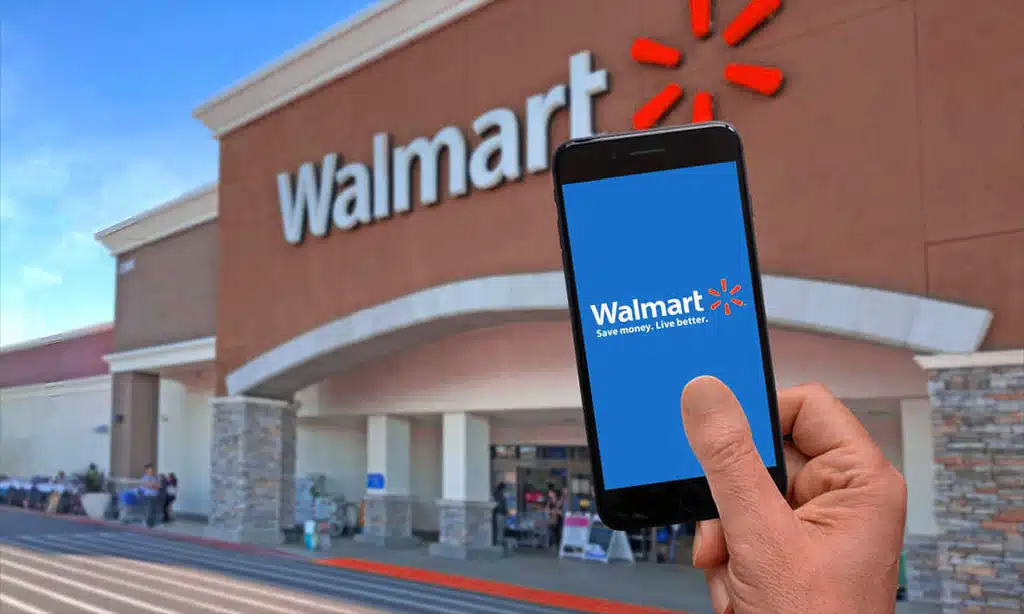
Walmart has mastered the mix of online and offline shopping. Their stores double as pickup hubs for digital orders, making shopping faster than ever. Same-day shipping and in-store curbside pickups keep customers coming back.
Retail isn’t dead—it’s just changing shape, and Walmart’s leading the charge.
With AI-driven personalization and a strong omnichannel strategy, Walmart meets modern consumer needs seamlessly. The retail giant proves that blending digital transformation with physical stores is the future of shopping.
E-commerce growth may soar, but Walmart keeps one foot firmly planted in both worlds.
Etsy: Supporting Unique and Handmade Goods
Etsy stands out in the crowded e-commerce space by focusing on handmade and one-of-a-kind items. Unlike big-box retailers, it gives small creators a platform to sell their crafts, art, and vintage goods.
The site connects buyers with sellers who offer personalized, creative products, making shopping feel more special.
The rise of online shopping has shifted consumer habits, and Etsy taps into the demand for authenticity. With nearly $11 trillion expected in global e-commerce spending by 2024, niche markets like Etsy’s are thriving.
The site blends digital shopping with a personal touch, proving that even in a fast-paced retail world, people still value craftsmanship. Its success shows how e-commerce innovation can cater to changing consumer behavior while supporting small businesses.
Warby Parker: Innovating Prescription Glasses Shopping
Just as platforms like Etsy celebrate handmade goods, Warby Parker flipped traditional eyewear shopping on its head.
The brand ditched high markups by selling stylish prescription glasses online at fair prices. Customers try frames at home before buying, blending convenience with confidence.
Their virtual try-on tool uses augmented reality, letting shoppers see how glasses look without stepping into stores. This digital-first approach slashed costs, making quality eyewear affordable while keeping service personal.
Warby Parker’s model proves tech can simplify even routine purchases like glasses. No crowded malls, no pushy salespeople—just easy browsing from your couch. They’ve turned what was once tedious into something quick, fun, even trendy..
Chewy: Transforming Pet Product E-Commerce
After Warby Parker simplified buying glasses online, Chewy made pet shopping a breeze. The company changed how people buy food, toys, and supplies for their pets. It focuses on fast shipping and top-notch customer service.
Chewy uses AI-driven personalization to recommend the right products. Customers get auto-ship options so they never run out of pet essentials. With nearly $11 trillion spent online in 2024, Chewy stands out by making life easier for busy pet owners.
Its success shows how e-commerce keeps adapting to consumer needs.
Rent The Runway: Redefining Fashion Rentals
Rent The Runway flipped fashion shopping on its head. Instead of buying expensive outfits, customers can rent designer clothes for a fraction of the cost. This model saves money and reduces waste, appealing to eco-conscious shoppers.
The company tapped into shifting consumer behavior by offering flexibility and variety without commitment. With same-day shipping and AI-driven recommendations, Rent The Runway makes high-end fashion fast and accessible.
It’s a prime example of how digital transformation reshapes retail experiences while keeping sustainability in mind.
Target: Enhancing Loyalty Through Digital Platforms
Just as Rent the Runway changed fashion with rentals, Target is reshaping retail through smart digital loyalty programs. The brand blends online and in-store shopping, making it easy for customers to earn rewards.
Target’s Circle loyalty program offers personalized deals, early access to sales, and same-day shipping. With nearly $11 trillion expected in global e-commerce spending by 2024, Target stays ahead by focusing on convenience.
Their app combines digital coupons, curbside pickup, and a seamless checkout experience. This keeps shoppers engaged and coming back.
Alibaba: Expanding Global E-Commerce Reach
Alibaba dominates global e-commerce, connecting buyers and sellers worldwide. The platform makes cross-border trade easy, offering everything from electronics to groceries. In 2024, online spending is expected to hit $11 trillion, and Alibaba plays a huge role in that growth.
The company blends digital shopping with smart supply chains, speeding up deliveries. Its tech-driven approach includes AI chatbots and same-day shipping, making shopping fast and simple.
Alibaba’s success shows how e-commerce reshapes retail, adapting to new consumer habits and market trends.
Key Trends Driving E-Commerce Innovation
AI is making shopping more personal, suggesting picks just for you. Social media now lets you buy without leaving the app, making checkout a breeze.
AI-Driven Personalization
AI-driven personalization makes shopping smoother and smarter. Online stores use AI to suggest products you’ll love based on past buys and browsing habits. Nearly $11 trillion will be spent on e-commerce in 2024, proving how much shoppers rely on customized experiences.
Chatbots answer questions fast, while algorithms predict trends before you even search. Retailers like Amazon and Walmart use this tech to boost sales and keep customers coming back.
It’s not magic—just smart tools learning what you want before you do.
E-commerce shifts from random buys to thoughtful picks, thanks to AI’s sharp insights. The result? Faster checkouts, fewer clicks, and happier shoppers. No wonder 64% of consumers say personalized service keeps them loyal to brands.
Shopping just got smarter.
Social Shopping Platforms
Social shopping platforms blend retail with social media, making buying more interactive. Apps like Instagram and TikTok now let users shop directly from posts or live streams. Brands use influencers to showcase products in real life, turning likes into sales fast.
Consumers love the ease of discovering new items through trends and reviews. By 2024, online spending is set to hit $11 trillion globally. These platforms merge shopping and entertainment, reshaping how people browse and buy everything from fashion to gadgets effortlessly.
Sustainability in Retail
Retailers are making big changes to go green. Shoppers want eco-friendly options, pushing brands to rethink packaging and materials. Over $11 trillion will be spent online in 2024, and businesses know sustainability can win customer loyalty.
IKEA uses augmented reality to reduce returns, cutting waste. Walmart invests in renewable energy for its supply chain. Online shopping growth pushes brands like Etsy to focus on handmade, low-impact goods.
Technology helps retailers meet these demands while keeping costs down. Next up, see how stores adapt to what shoppers expect today.
How Retailers Adapt to Consumer Expectations
Consumers now expect fast, easy, and personalized shopping. Retailers keep up by using AI chatbots for quick help and same-day shipping for speed. Nearly $11 trillion will be spent online in 2024, so businesses must adapt fast.
Stores blend digital and physical shopping to meet changing habits. Walmart and Target use apps to boost loyalty, while IKEA’s AR tools let customers preview furniture at home. Automation and social shopping also play big roles.
The goal is simple: make buying stuff effortless, whether online or in-store.
The Role of Technology in Shaping Retail Experiences
Technology is reshaping retail like never before. Online shopping hit nearly $11 trillion in 2024, proving how much tech drives buying habits. AI chatbots and same-day shipping make shopping faster and easier.
Retailers now blend digital and physical experiences. Augmented reality, like IKEA’s app, lets customers preview furniture at home. Walmart and Target use apps to boost loyalty programs.
Automation and AI personalize recommendations, keeping shoppers engaged. The shift from impulse buys to smart choices shows tech’s impact.
E-commerce growth keeps climbing, changing how businesses operate. Mobile commerce and omnichannel strategies meet rising consumer demands. Tech isn’t just a tool—it’s the backbone of modern retail.
Examples of Hybrid Retail Models
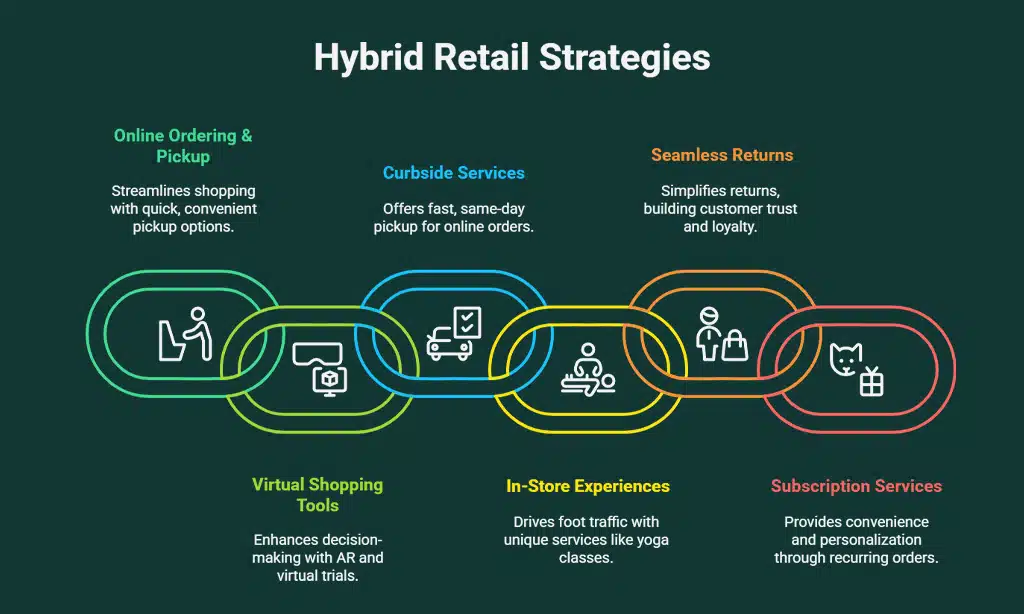
Hybrid retail blends online and in-store shopping for a seamless experience. Businesses use tech to meet modern consumer needs.
- Walmart’s Pickup Towers let customers order online and grab items from kiosks in minutes, cutting wait times.
- Target’s Drive-Up allows app users to shop online, park outside, and have orders loaded into their car.
- IKEA’s AR app helps shoppers visualize furniture at home before buying in-store or online.
- Best Buy’s Curbside offers same-day pickup for online orders, merging speed with convenience.
- Nordstrom Local stores have no inventory, just styling hubs where shoppers try items later shipped to them.
- Sephora’s Virtual Artist lets customers test makeup digitally via app before purchasing in-store.
- Home Depot’s Buy Online, Return In-Store simplifies returns, boosting customer trust.
- Starbucks Mobile Order & Pay lets customers order ahead and skip lines at physical locations.
- Amazon Fresh stores combine cashier-less tech with grocery shopping for a frictionless experience.
- Warby Parker’s Home Try-On sends frames by mail, then customers buy online or in-store.
- Lululemon’s In-Store Yoga Classes drive foot traffic while promoting online apparel sales.
- Kohl’s Amazon Returns accepts Amazon returns at Kohl’s stores, increasing store visits.
- Macy’s Shop by Room uses AR to let shoppers design spaces online before buying in-store.
- Ulta’s GLAMLab app allows virtual makeup trials, linking online fun to in-store purchases.
- Chewy’s Autoship blends subscription convenience with personalized in-app pet product recommendations.
Challenges in the E-Commerce Landscape
Running an online store isn’t all smooth sailing. Consumers will spend nearly $11 trillion on e-commerce in 2024, but competition is fierce. Small businesses struggle to stand out against giants like Amazon and Walmart.
Fast shipping and AI chatbots raise customer expectations, making it harder to keep up.
Supply chain issues can delay orders, hurting trust. Rising costs for ads and logistics eat into profits. Shoppers now want personalization, sustainability, and seamless omnichannel experiences.
Meeting these demands requires constant tech upgrades. Even with global reach, fraud and returns add headaches. The shift from impulse buys to mindful shopping means retailers must adapt or fall behind.
Takeaways
Shopping has changed fast, and these 10 businesses lead the charge. Amazon made online shopping easy, while Shopify helped small brands grow. IKEA brought AR into homes, and Walmart mixed stores with digital sales.
Chewy made pet care simple, Rent The Runway offered style without commitment, and Target boosted loyalty through tech. Alibaba opened global doors for sellers. AI personalizes picks now, social media sells products faster than ever, and eco-friendly options matter more to buyers today.
Retailers must adapt or fall behind as shoppers expect speed, convenience, and smart choices every day. Tech keeps pushing retail forward—so don’t blink!