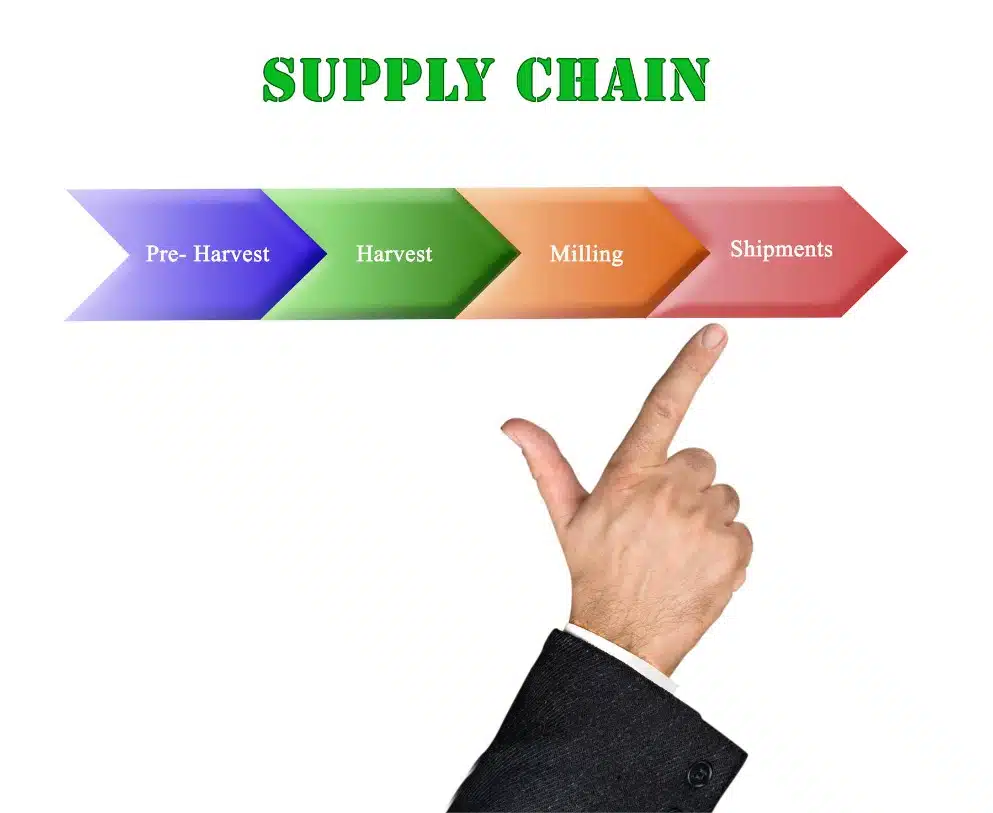
In the last couple of years, many businesses have found themselves bearing the brunt of considerable supply chain issues. From building materials to computer chips and baby formula, a lot of companies had a hard time getting their products to customers for a variety of reasons. Between the pandemic, labor shortages, shipping delays, and the effects of the conflict in Ukraine, we’ve been reminded that the world is incredibly connected and that an issue in one area can have a knock-on effect and make the products we’re so used to getting easily so much harder to access.
If you run a business that’s been affected by issues in the supply chain, you’ll know how costly they can be and how much disruption they cause to your operations. Here are steps you can take to manage this and keep your business stable through this storm.
Invest in Technology
Technology is one way you can help your business survive supply chain issues. For example, automating parts of your process reduces the need for manual labor and improves accuracy. From using manufacturing software to buying affordable plastics machinery, you can make your operations leaner so that you can handle the costs caused by supply chain delays. Technology can help a manufacturing business improve visibility into its supply chain and better anticipate potential issues. For example, advanced supply chain management software can help track the status of orders and shipments, providing real-time updates on any potential delays or disruptions.
Focus on Efficiency
Efficiency is a crucial factor in the success of any business, especially when supply chain issues arise. Inefficiency can lead to wasted resources, increased costs, and lost profits. One of the biggest things you can do is to evaluate your operations and eliminate inefficiency. For example, your business might be experiencing issues because of where your products are shipped from. You could make this more efficient by overhauling your logistics so that those operations move to a more central location. Maybe your business ships products in smaller containers, meaning you’re paying for more shipments. You could switch to a larger container and pay a lot less to get the products to you because, in one shipment, you could move what you used to in three. You might even discover that things would be easier if you change your shipping company or consider other logistics companies.
Develop Contingency Plans
By developing contingency plans for various supply chain issues, a manufacturing business can be prepared to respond to disruptions as they occur. This can include identifying alternative suppliers, setting up backup transportation routes, and implementing just-in-time inventory systems to minimize the impact of supply chain disruptions.
Communicate With Customers
If your business is feeling the squeeze of supply chain problems, you can imagine how disruptive it can be for consumers. If there’s a baby formula shortage, that means there are parents worried about feeding their infants. If there’s a shortage in building materials, that means there are people who move into their dream homes has been held up. As a company, it’s really important that you keep your customers in the loop and show that you care. Offer solutions like discounts and other measures that will keep them loyal. The last thing you want to do is go completely quiet because that can communicate a really bad message and cause you to lose their business for good.
Build Strong Relationships with Suppliers
Strong relationships with suppliers can help your business navigate supply chain issues more effectively. By working closely with suppliers and developing open lines of communication, a business can better understand their needs and challenges, and work together to overcome any issues that arise.
Monitor and Evaluate Suppliers
Regularly monitoring and evaluating suppliers can help your business identify potential issues before they become major problems. This can include conducting on-site audits, reviewing supplier performance metrics, and seeking feedback from customers.
Collaborate With Other Businesses
As the old adage says, “a problem shared is a problem halved”. There are businesses experiencing the same issues and by building relationships and working together, you can come up with better solutions. Build relationships with other businesses, and do regular meetings and masterminds to brainstorm ideas. By working together, businesses can share resources, leverage their collective buying power, and find mutually beneficial solutions to supply chain challenges. In fact, some sectors like academia are making solid use of cooperative procurement contracts. Specialized suppliers offer higher education purchasing and many other services to meet the industry’s growing demands for compliance and sustainability in the face of global supply chain issues, shrinking budgets, and lower tuitions.
Supply chain issues are unfortunately going to be something that will continue to affect businesses. That doesn’t mean your business has to fold entirely. By implementing these strategies, your business can effectively navigate supply chain issues and minimize the impact on your operations. By taking measures to maintain a robust and efficient supply chain, you can increase your competitiveness, boost your profits, and better serve your customers.