Pickleball, a sport that combines elements of tennis, badminton, and ping pong, has surged in popularity across the United States and around the world. Its appeal is in its simplicity, accessibility, and the fact that it can be enjoyed by people of all ages and skill levels.
If you’re considering taking up pickleball, understanding its fundamental rules, equipment, and gameplay strategies is essential. Whether you’re looking to engage in a new recreational activity or seeking a competitive outlet, the basics of pickleball will help you achieve success.
Strategies for Beginners
Positioning is crucial – maintaining a balanced stance and being aware of your partner’s location can help you cover the court more effectively. Communication with your partner is key in doubles play – clear signals and verbal cues can prevent confusion and improve coordination. Developing a consistent serve and return can put pressure on your opponents and set the tone for the rally. People search for “pickleball court near me” when they want to find a convenient place to practice and improve their skills. Practicing dinking – the soft shot that lands in the non-volley zone – can be a powerful tool in your arsenal, as it forces your opponents to move and opens up opportunities for winning points.
Understanding the Basics of Pickleball
At its core, pickleball is played on a court similar in size to a doubles badminton court, measuring 20 feet by 44 feet. The net stands at 36 inches high at the sidelines and 34 inches at the center. The game can be played in singles or doubles formats, with doubles being the more common choice. The objective is to score points by hitting the ball over the net into the opponent’s side of the court, ensuring it lands within the boundaries. Points are scored only by the serving side, and the game typically continues until one side reaches 11 points, with a requirement to win by at least two points.
Equipment Needed to Play Pickleball
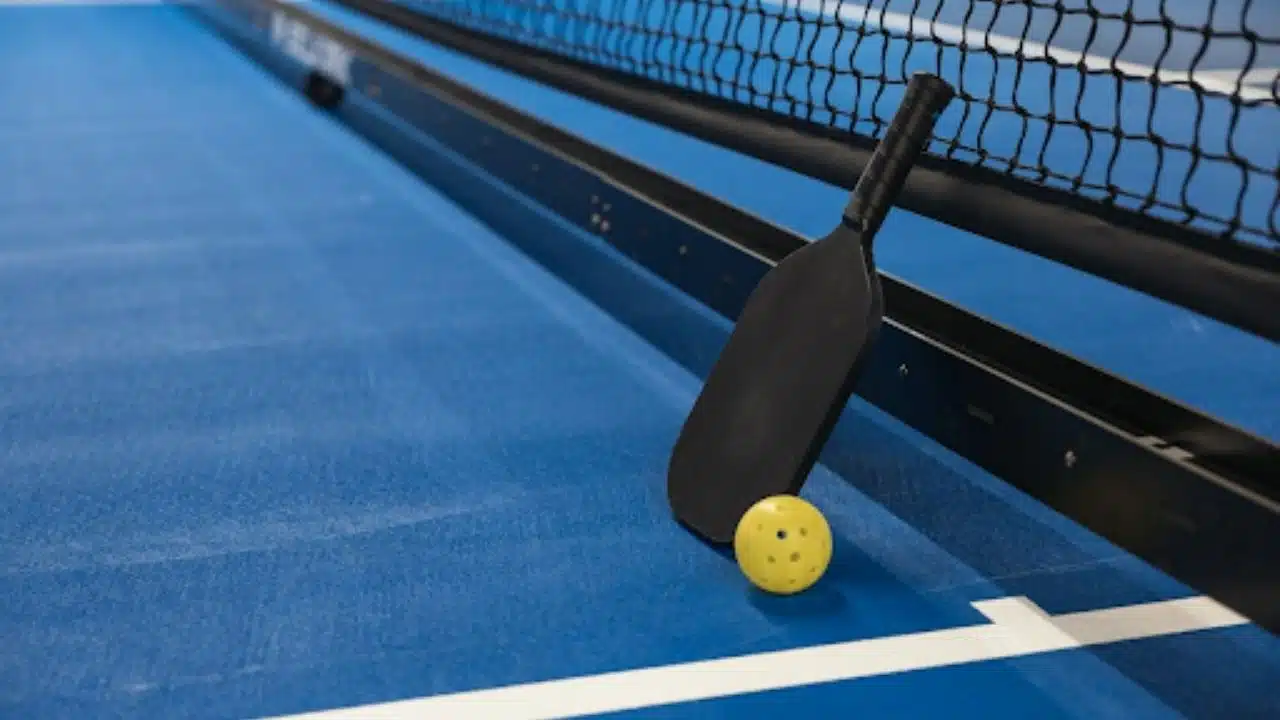
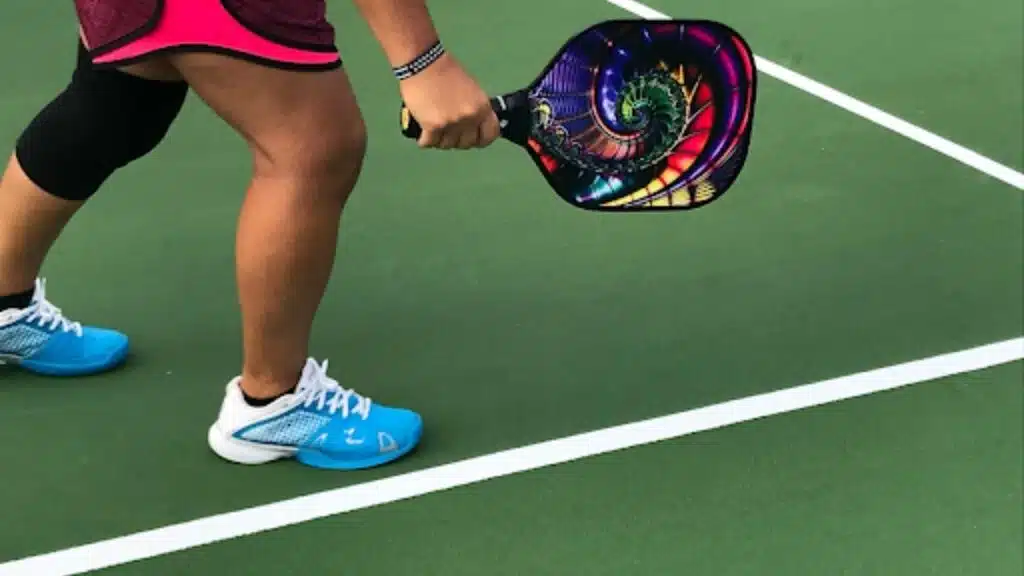
The most important is the paddle, which is larger than a ping pong paddle but smaller than a tennis racket. Paddles are made from various materials, including wood, composite, and graphite, each offering different levels of performance and durability. The ball used in pickleball is perforated and made of plastic, resembling a wiffle ball, and comes in indoor and outdoor varieties. Indoor balls are softer and have fewer holes, while outdoor balls are harder and have more holes to withstand wind conditions. Appropriate footwear is also important – non-marking court shoes with good grip will help prevent injuries and provide stability during play.
Basic Rules and Scoring System
The game begins with a serve, which must be executed underhand and diagonally across the court. The server must keep one foot behind the baseline and serve the ball to the opponent’s service court. The receiving team must let the ball bounce once before returning it, and the serving team must also let it bounce once before returning it. This sequence is known as the two-bounce rule. After these initial bounces, players can volley the ball (hit it before it bounces) or continue to let it bounce. Points are scored only by the serving team and occur when the opposing team commits a fault, such as hitting the ball out of bounds or into the net.
Court Layout and Key Areas
The non-volley zone, commonly known as the “kitchen,” extends 7 feet from the net on both sides. Players are not allowed to volley the ball while standing in this zone or touching the lines surrounding it. This rule prevents players from executing smashes directly at the net, promoting longer rallies and strategic play. The baseline marks the end of the court, and the sidelines define the width. The service courts are the areas where the server must serve the ball, and they are divided by the centerline. Understanding the layout of the court and the purpose of each area is essential for positioning yourself effectively during play and adhering to the game’s rules.
Safety and Etiquette on the Court
While pickleball is an enjoyable and social sport, it’s important to observe proper etiquette and prioritize safety. Always be aware of your surroundings to prevent collisions with other players, especially in doubles play. Respect the court by waiting for the previous game to finish before starting your match and by keeping the area clean. It’s customary to shake hands or exchange paddles with your opponents after the game as a sign of good sportsmanship. Staying hydrated and wearing appropriate clothing can help prevent injuries and ensure you remain comfortable during play.
Embarking on your pickleball journey involves understanding the game’s fundamentals, acquiring the necessary equipment, and practicing the basic rules and strategies. By familiarizing yourself with the court layout, key areas, and essential techniques, you’ll be well-prepared to enjoy this dynamic and engaging sport. Like any new activity, improvement comes with practice and experience. Embrace the learning process, stay patient, and most importantly, have fun on the court. As you continue to play and refine your skills, you’ll find that pickleball offers both challenges and rewards.