BI or business intelligence refers to the technical as well as procedural infrastructure that gathers, stores, and assesses the information produced by any company. This broad term usually encompasses process analysis, data mining, descriptive analysis, and performance benchmarking.
Generally, the procedure passes every piece of information that a business generates and presents easily-digested results. Some companies also use it to measure performances and trends that might impact management decisions.
Are you all set to know more about business intelligence and its multifold aspects? So, let’s get started.
What’s Business Intelligence All About?
The requirement for BI has been derived from the idealogy that managers having incomplete or inaccurate data will eventually make worse decisions. Financial model creators identify this as a procedure of “garbage in and garbage out.” BI’s approach to solving this concern is to analyze existing data that is generally presented on the business dashboard.
It consists of everything from data mining, business analytics, and data tools to data visualization and infrastructure. Some of its best practices have enabled organizations to come up with more data-driven ideas. Global Business Diary shares a lot of stuff daily on business intelligence. So, check out their articles and enlighten yourself.
It is significant to note that BI has remained a buzzword in its strangled history. Capital letters and traditional BI all emerged as information-sharing systems across organizations. Its actual definition was introduced in 1989 for the purpose of making decisions.
What Are The Different Methods Included In BI?
More than being just specific stuff, BI is a canopy that includes different methods and processes of business operation data. All these things are grouped together with the aim of developing a comprehensive idea of a business that enables better decision-making among people.
Over the last few years, BI has evolved to consist of more activities and processes that help in improving performance. Some of these processes encompass:
Data Mining
With the help of statistics, databases as well as machine learning, one can unravel trends in broad datasets.
Reporting
Reporting in business intelligence helps in sharing data analysis with different stakeholders. This helps them to draw conclusions and come up with the right decision.
Benchmarking & Performance Metrics
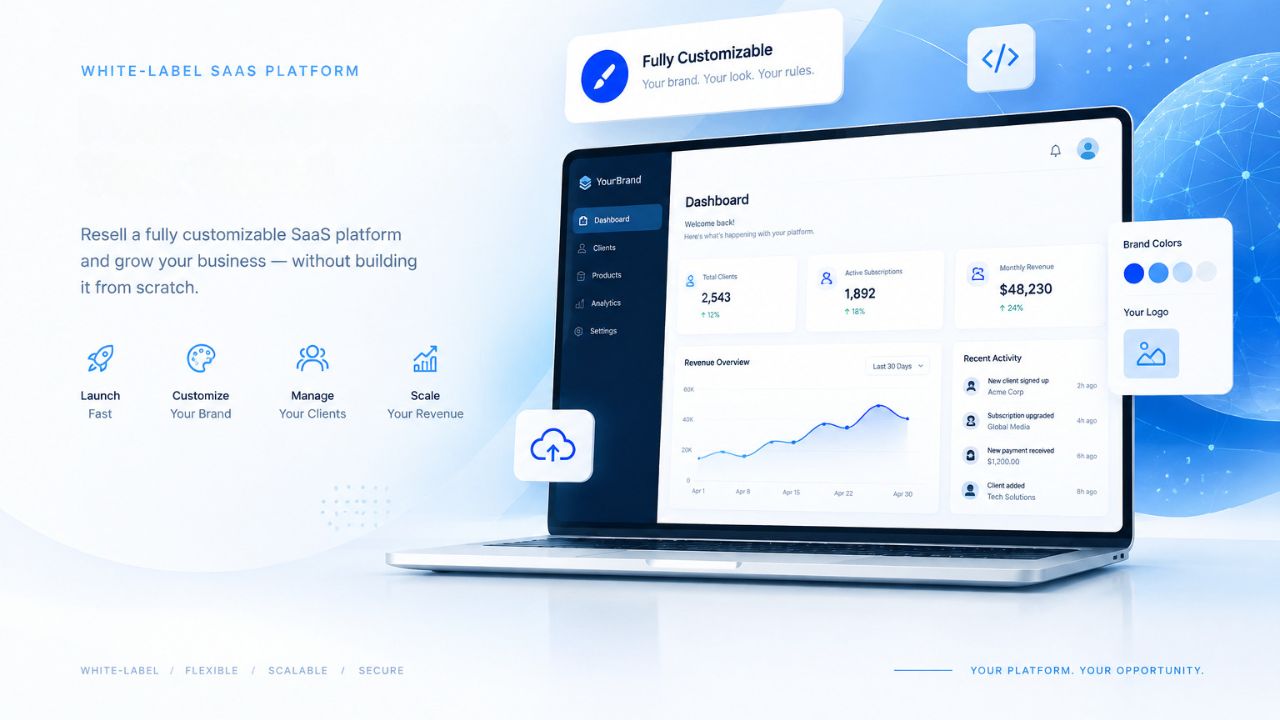
The next method is comparing existing performance data to previous data and tracking performance against business goals. Generally, customized dashboards are used.
Descriptive Analytics
This is where the use of preliminary data analysis comes into existence and discovers what happens next.
Querying
Querying in BI means asking some data-specific queries. It pulls out the answer from multiple data sets.
Statistical Analysis
Extracting the results of descriptive analytics and exploring the information using statistics later. For example, how and why these trends took place.
Data Visualization
Converting data analysis into charts, histograms, graphs, and other visual representations to consume information more easily.
Visual Analysis
Discovering data via visual storytelling is the next step. It helps in communicating insights and remains in the flow of analysis.
Data Preparation
The final method of BI is to compile several data sources and determine the measurements and dimensions. Further, it gets prepared for data analysis.
Types Of Business Intelligence Tools
A number of BI software and tools are available in a variety of forms. These help in reducing the requirement of capturing analysis data and saving analytical time. Let me give you a quick insight into common BI solution types:
Spreadsheets
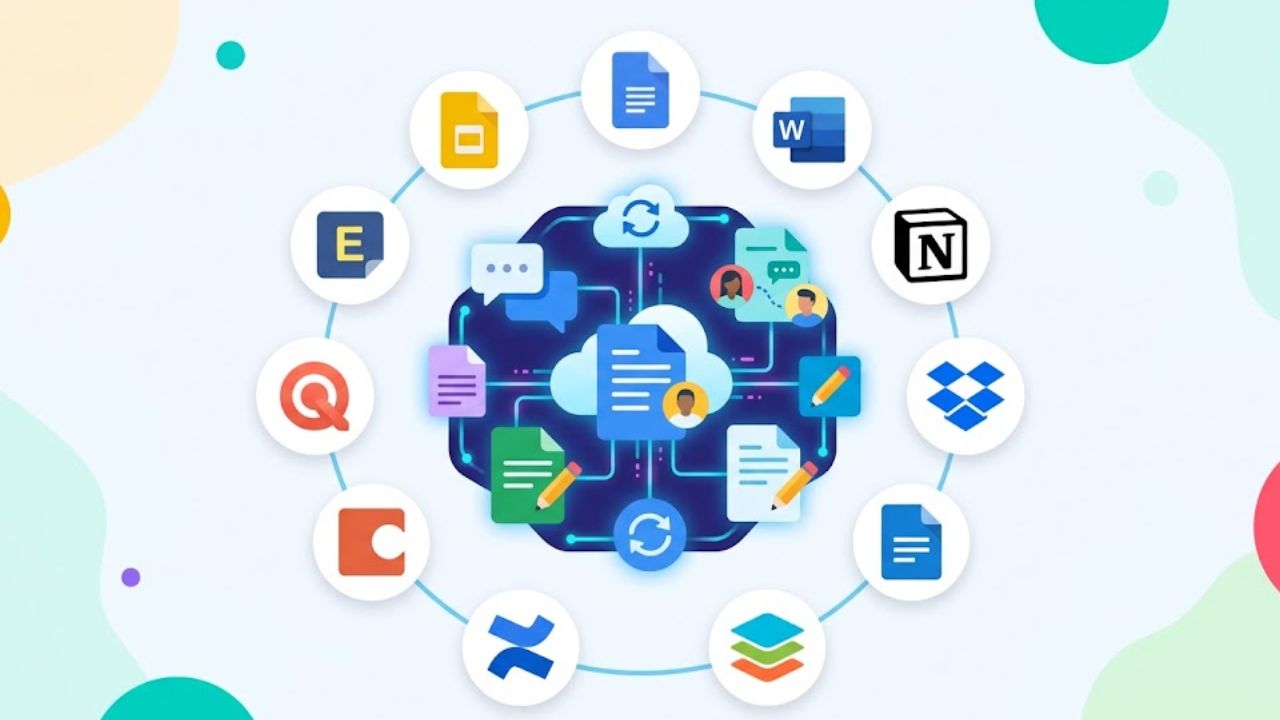
Some of the most commonly used BI tools that most businesses use are Google Docs and Microsoft Excel. Not only are they easy to use, but they also save time in saving the document after every small modification that has been made.
Data Visualization Software
Brands have to deal with tremendous data everywhere. With the help of data visualization software, one can translate datasets into visually appealing and easy-to-read graphical representations.
Reporting Software
Reporting tool helps in reporting, organizing, displaying, and filtering data.
Online Analytical Processing
OLAP, or Online Analytical Processing software, lets users assess datasets from a plethora of angles based on multiple business perspectives.
Data Mining Tools
The only job of data mining software is to “mine” tremendous data amounts for patterns. For this purpose, it uses stuff like machine learning, statistics, and artificial intelligence.
Applications Of BI: Case Uses
- The financial services industry, such as Charles Schwab, made use of business intelligence in order to witness a comprehensive outlook of its branches in America. This helps in comprehending performance metrics and determining places of opportunity. The potential of a central BI platform allowed the firm to catalog its branch data under one roof.
Branch managers can now establish clients that might have investment need changes. Moreover, leadership helps in tracking whether the region has an average performance or a better one. This also results in heightened prospects for optimization with improved consumer service.
2. Another instance is HelloFresh, which offers a meal-kit service. It has automated the reporting procedure because its team of digital marketing spends a lot of time every month.
Tableau helped HelloFresh to save more than 20 hours of work per day by automating the business data. Hence, it becomes possible for the team to make more targeted and segmented marketing campaigns.
Conclusion
Time and again, corporate industries have been looking for better solutions. And business intelligence is a constant game-changer in the business landscape. In order to keep customers informed about the latest advancements, analysts generally identify existing trends. They might also identify how machine learning and artificial intelligence will evolve to make knowledge integration better.
BI has multi-faceted advantages that give any firm a competitive edge. So, if you own a business- whether new or primitive, make sure to include the most technologically advanced BI software and tools. So, this was all about BI and some of its applications. Don’t forget to share your views on this!