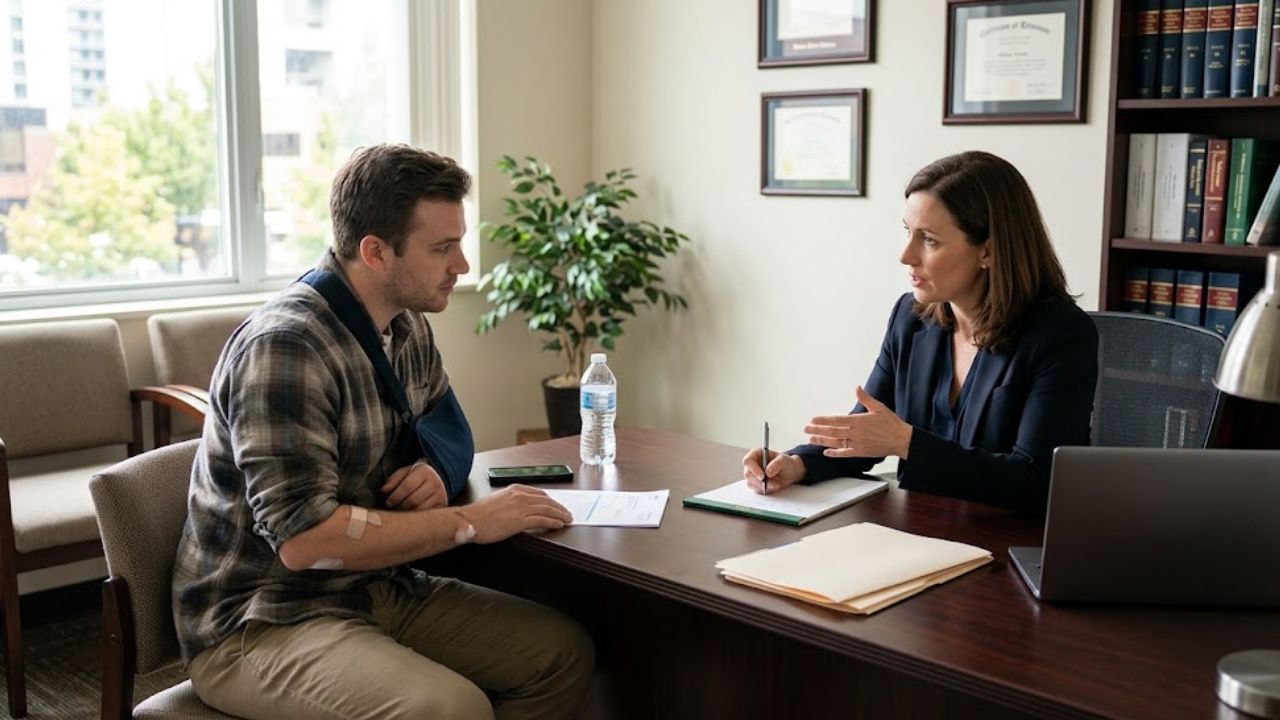
As the population ages, elder abuse has become a growing concern in many communities around the world. Defined as any action or inaction that causes harm or distress to an older adult, elder abuse can occur in various forms such as physical, emotional, and financial abuse, as well as neglect and sexual abuse. Unfortunately, many cases of elder abuse go unnoticed and unreported, making it even more crucial to prioritize education and awareness of this issue.
Trust litigation attorney has seen firsthand how difficult it can be to address instances of elder abuse and protect vulnerable seniors from harm. That’s why it’s essential to recognize the signs and risk factors for elder abuse and to promote education among the public on how to prevent and respond to instances of elder abuse. Such education would empower family members, caregivers, and healthcare professionals to identify and report abuse, which is crucial to protecting older adults from further harm.
This article aims to provide a comprehensive overview of elder abuse, including its types, risk factors, signs, and prevention strategies, and to underscore the importance of increasing awareness of elder abuse.
Types of Elder Abuse
Elder abuse can have profound and long-lasting negative impacts on older adults, and it is important to recognize and address these different types of abuse. Physical abuse often results in injuries, such as bruises, cuts, or broken bones, but it may also have more subtle signs, such as fear or agitation. Emotional or psychological abuse can lead to feelings of depression or worthlessness, and it may even contribute to physical health issues, such as high blood pressure or sleep problems. Financial abuse can leave older adults uncertain about their ability to manage their finances or can result in serious financial hardship or even bankruptcy. The most common form of elder abuse is neglect, where older adults are deprived of the care they need to live their daily lives, such as food, shelter, or medical care. Sexual abuse can also have serious physical and psychological consequences, such as sexually transmitted infections, pregnancy, and depression.
It is important to note that some forms of elder abuse overlap, and older adults may experience several types of abuse simultaneously. Elder abuse can happen to anyone, but certain factors, such as physical or cognitive impairment or social isolation, make some older adults more vulnerable than others. By understanding these different types of elder abuse and recognizing the signs, we can better prevent such abuse from occurring and protect older adults from harm. It is our collective responsibility to build awareness around elder abuse and take steps to prevent it so that older adults can live with the dignity and respect they deserve.
Risk Factors for Elder Abuse
Elder abuse can affect anyone, but certain risk factors make some older adults more vulnerable than others. These factors can help us better understand how elder abuse happens and how we can prevent it. Among the victim factors that contribute to elder abuse are physical or cognitive impairment, such as dementia or mobility issues, and a history of family violence. Caregiver factors that increase the likelihood of elder abuse include stress, burnout, and lack of support. Caregivers who also have a history of substance abuse or mental health issues may also be more likely to abuse older adults under their care. Socioeconomic factors, such as poverty or social isolation, can also contribute to elder abuse by limiting access to resources and support. It can be challenging to prevent elder abuse entirely, but identifying these risk factors can help us better tailor prevention efforts to those who may be most vulnerable.
Prevention and Intervention
Preventing elder abuse is a crucial endeavor that requires various efforts that can help detect and address it. One of the first steps toward prevention is recognizing the signs of elder abuse. In some cases, the signs may be physical, such as bruises, broken bones, or poor hygiene. However, signs of elder abuse can also be behavioral, such as a sudden change in mood or withdrawal from social interactions. Reporting elder abuse is another essential step in preventing it from happening again. If you suspect that an older adult is being abused or neglected, you can report it to the appropriate authorities, such as Adult Protective Services or local law enforcement. A trust litigation attorney in California understands the importance of addressing the root causes of elder abuse. This could mean supporting caregivers with resources for coping with stress and preventing burnout. Additionally, it could mean increasing access to healthcare services, social services, or affordable housing to ensure that older adults have the resources they need to thrive. Furthermore, promoting education and awareness is critical in identifying and preventing elder abuse. Through educational campaigns, individuals can learn to recognize the signs of abuse and how to report it, ultimately making communities safer for all older adults.
Conclusion
In conclusion, elder abuse is a complex issue that requires collective efforts to prevent it from occurring and address its consequences. Throughout this article, we have explored the various types of elder abuse, including physical, emotional, financial, sexual, and neglect, as well as the risk factors that contribute to it. Additionally, we have discussed the importance of recognizing the signs of elder abuse and the need for promoting education and awareness about it. Look for a conservatorship attorney California who understands the devastating consequences that elder abuse can have on older adults and their families, emphasizing the importance of supporting elder abuse victims. Older adults deserve to live with dignity and respect, free from the fear of abuse and neglect. We all have a role to play in building safer environments for older adults, and it’s essential to take collective action. It is essential to support caregivers, educate the public about elder abuse prevention and intervention measures, and ensure that older adults receive the support they need to thrive.