An injury can turn an ordinary day into a string of urgent decisions, from getting medical care to figuring out what happens next. Across Long Island, 59,359 crashes were reported in 2025, and preliminary data showed 18,121 injuries. From January through October, 110 people died in traffic crashes, compared with 103 during the same period in 2024. These numbers reflect only one part of the personal injuries people may face on Long Island.
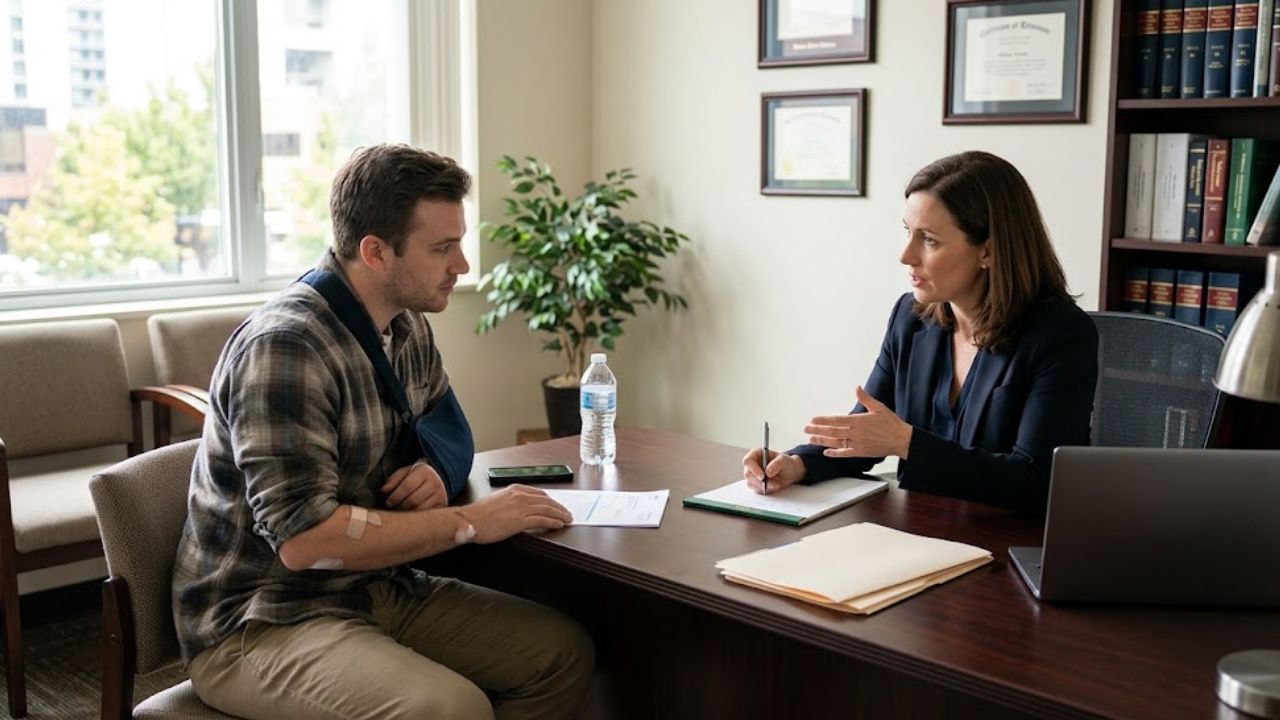
The first 24 hours can shape what happens afterward. Seeking medical care, documenting injuries, saving bills and records, gathering witness details, and being cautious with insurance communications can help preserve important evidence. Whether an injury stems from a crash, fall, unsafe property, workplace incident, or another accident, Shulman & Hill Long Island personal injury can be one of the legal resources available when someone considers what to do next. Taking sensible steps early can bring some order to an otherwise overwhelming situation.
Get Medical Care and Follow Instructions
Seek medical care promptly, even if symptoms seem minor after a collision, fall, or workplace incident. Some injuries become clearer hours later, and delayed treatment can make the medical history harder to explain.
Give the healthcare provider the following information:
- Where the pain started
- What movement worsens it
- Whether symptoms appeared immediately
Follow discharge instructions, take prescribed medication as directed, and schedule recommended follow-up appointments.
Request copies of discharge papers, test results, prescriptions, and billing records. Keep these documents in one folder, along with notes about missed work, transportation costs, and changes in daily activities.
Record the Incident While Details Remain Clear
An injured person should write a timeline as soon as they are medically stable. Include the time, location, weather, traffic conditions, visible hazards, sequence of events, and names of people who witnessed what happened.
Photograph injuries, damaged property, vehicle positions, road conditions, warning signs, and the surrounding area. Take wide images that show context, then closer images that capture specific damage or hazards.
Save contact details for witnesses, responding officers, property owners, employers, and insurance representatives. Do not guess when recording facts. Clear notes can separate what was observed from what someone else said.
Preserve Physical and Digital Evidence
Keep damaged clothing, protective equipment, broken items, and vehicle parts in their current condition. Do not repair, clean, discard, or alter anything that could show how the injury occurred.
Save photographs in their original form and back them up in a secure location. Preserve text messages, emails, incident reports, appointment reminders, and insurer correspondence without editing the original files.
Social media posts can create confusion about activity levels, travel, work, or physical condition. Avoid posting about the incident, injuries, treatment, fault, or settlement discussions while the claim remains open.
Handle Insurance Contact Carefully
Notify the appropriate insurer promptly if a policy requires notice, but keep the initial report factual and brief. Provide the date, location, involved parties, and basic description without speculating about fault.
An adjuster may request a recorded statement, medical authorization, or release. Do not sign documents or provide broad access to medical records before reviewing their purpose with a personal injury attorney.
Never accept a payment without knowing whether it resolves the claim. A release can end the right to seek more compensation for injuries, treatment, lost income, or property damage.
Protect Deadlines and Create a Case File
Personal injury claims involve filing deadlines that depend on the injury, location, defendant, and other facts. Record the incident date and promptly seek legal advice, especially when a government entity, employer, or commercial vehicle is involved.
Create a case file with the timeline, photographs, witness information, medical records, bills, employment records, insurance letters, and expense receipts. Add a daily symptom log that records pain, sleep disruption, mobility limits, and treatment effects.
Avoid discussing fault with opposing parties or accepting informal promises about payment. Direct substantive questions to legal counsel, and keep every communication professional, accurate, and dated.
Final Thoughts
Use the first day after an accident to protect health and preserve facts, not to negotiate with an insurer. Report the incident accurately, follow medical advice, save every related record, and avoid public commentary. Before signing a release or discussing fault in detail, arrange a private consultation with a qualified Long Island personal injury attorney. Bring the timeline, photographs, contact information, medical paperwork, and insurance messages to the meeting. Those materials help counsel identify the next lawful step.