Property management has no shortage of technology. Multifamily companies can choose from platforms for leasing, payments, access control, maintenance, packages, resident communication, utilities, analytics, and nearly every other operational category.
The problem is that adding another application does not automatically make a property more efficient. In many portfolios, the next major opportunity is not adopting more technology but making existing systems work together as part of a coherent operating model.
Turn Everyday Property Tasks Into Measurable Workflows
Routine activities often reveal whether technology is truly improving operations. Something as ordinary as package handling involves delivery, storage, resident notification, pickup, staff involvement, and exceptions, which means operators can use package management KPIs as one way to examine whether the process is working consistently across properties. The same principle applies to maintenance requests, tours, payments, access issues, and resident communications. Once a task is viewed as a measurable workflow rather than a series of isolated interactions, weak points become easier to identify.
Metrics matter because technology can create the appearance of efficiency without producing it. A new system may automate notifications, for example, but staff could still be spending substantial time resolving exceptions because data is incomplete or residents do not understand the process. Measuring the entire workflow exposes that hidden work. It also gives operators a clearer basis for comparing properties and deciding where changes are necessary.
App Sprawl Creates Its Own Kind of Work
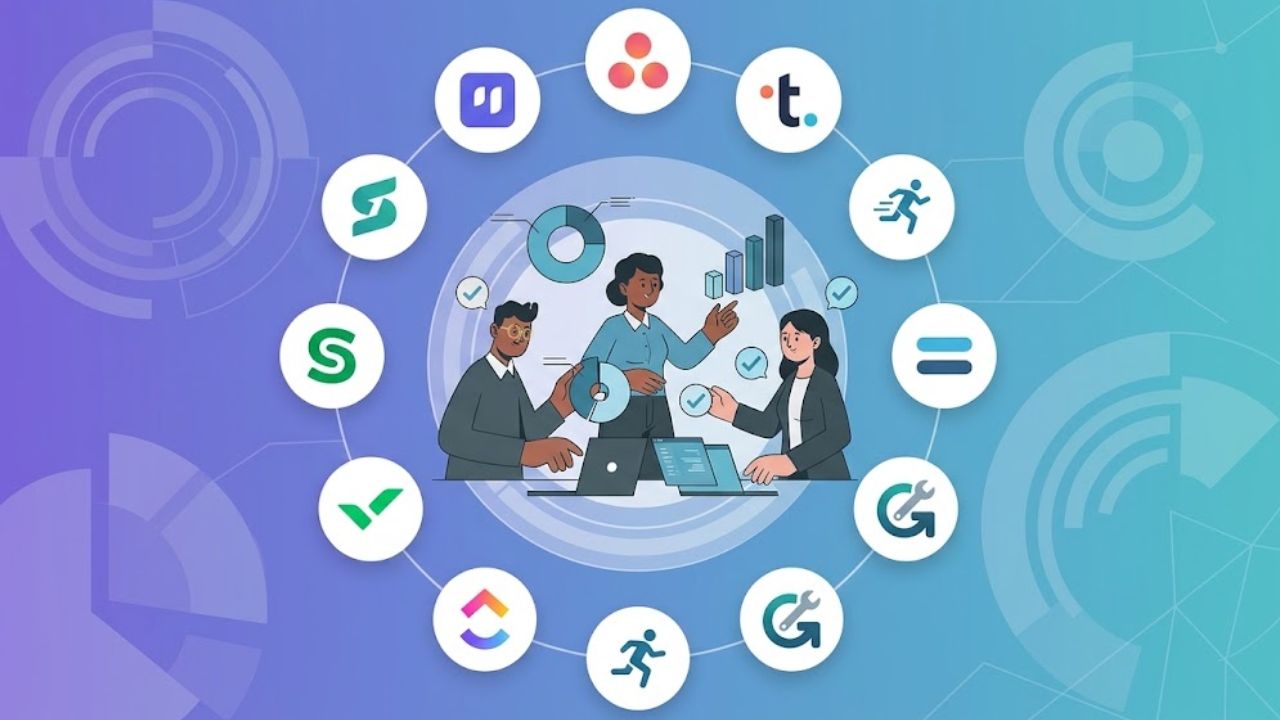
Multifamily technology often enters organizations one problem at a time. A team adds a new platform to solve one need, another department adds something else, and an acquired property arrives with systems already in place. Over time, employees may find themselves moving between multiple logins, copying information from one platform to another, and checking several systems to understand a single resident issue. Technology intended to save time can quietly create a new administrative layer.
The resident experience can become fragmented as well. Residents may need separate apps or portals for rent, packages, building access, maintenance, events, and community communication. Each tool may work perfectly on its own while the overall experience still feels complicated. Connecting systems becomes an important part of making technology feel easier for the people who live at the property.
Judge Technology by the Work It Eliminates
The most impressive feature list is not always the best measure of a technology investment. Operators should ask what manual work disappears, which resident frustrations decrease, and what new information becomes available for decision-making. If employees are still performing the same tasks but now completing additional digital steps, the technology may have changed the interface without changing the operation. The workflow reveals efficiency.
This also makes return on investment easier to evaluate. A system that reduces staff interruptions, shortens completion times, eliminates duplicate entry, or prevents recurring errors has a measurable operational effect. Those improvements can then be weighed against implementation costs, subscriptions, training, and integration requirements. Technology earns its place in the stack when it makes the business simpler to operate, not merely more digital.
PropTech has already changed how multifamily properties lease units, communicate with residents, manage buildings, and collect information. The next stage is likely to be more about connecting the tools that matter into consistent workflows.
Integration Should Follow the Resident Journey
One useful way to evaluate PropTech is to stop organizing systems by department and instead follow common resident experiences from beginning to end. Consider what happens when a prospect schedules a tour, applies, signs a lease, moves in, pays rent, renews, and eventually moves out. Information generated at one stage should ideally support the stages that follow. When every process starts from scratch, companies lose both efficiency and valuable context.
This approach can expose integration opportunities that are easy to miss when teams look only at individual platforms. Access credentials might need to reflect lease dates automatically, while resident contact information should remain consistent across communications and package notifications. Maintenance systems may benefit from unit and resident information already stored elsewhere.
Standardization Makes Centralization Possible
Centralized operations become much harder when every property uses different technology and follows different workflows. A centralized leasing specialist cannot efficiently support ten communities if each one requires a different login, process, terminology, and escalation path. The same problem affects accounting, resident support, reporting, and other shared functions. Standardized technology creates the common language that allows those teams to operate across properties.
There will always be legitimate differences between communities. A high-rise may require different access procedures than a garden-style development, and a student property may have workflows that make little sense for conventional apartments. Standardization does not require eliminating those distinctions. It means building a consistent operational foundation and allowing variation where the property genuinely requires it.