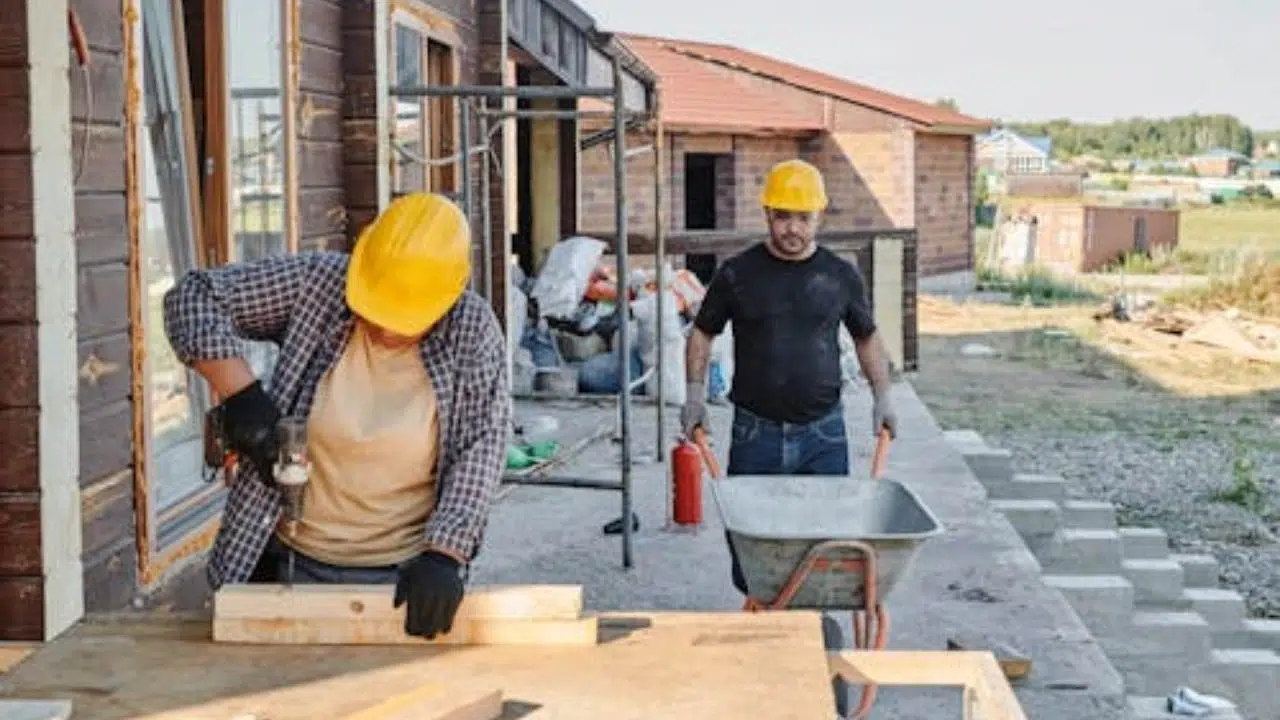
Planning your dream undoubtedly has you picturing the best location for a huge and functional kitchen or even deciding where you want to create a sun-filled living room. You may even be planning your pool and entertainment area. However, how much thought have you given to the soil and ground on which your dream home is going to stand?
It’s not uncommon for first-time home builders to be aware of the comprehensive soil testing Melbourne authorities require before issuing the necessary permits. This post takes a look at what soil testing is and why so much emphasis is placed on these vital testing procedures.
Understanding What Soil Testing is
Another little-known fact not often known outside the building industry is that at least 80% of structural issues encountered in residential buildings can be directly traced back to poor ground conditions. Inadequate foundation design can also be to blame for structural failure. It’s with this in mind that soil tests, also referred to as geotechnical investigations, are non-negotiables in the Australian landscape.
Soil testing typically involves having a geotechnical engineering team visit the proposed job site to examine and assess surrounding ground conditions. This process involves using equipment such as drill rigs or hand augers of varying sizes to extract core soil and rock samples from different depths. This can vary between 1,5 to 2,5 metres to determine how stable and safe the soil is.
Tests are typically done to determine two key factors, which are listed as:
- Load bearing capacity: This test assesses whether the soil can support the proposed weight of a heavy concrete slab (the foundation) and a house without sinking into the ground.
- Soil reactivity: The soil also needs to be tested for its ability to handle rain and potential flooding. Your building team needs to assess how much the soil will “heave” (expand when wet) or “settle” (shrink when dry).
Prospective homeowners and new builders should be aware that the soil testing process is governed by Australian Standard AS 2870-2011, listed under the Residential Slabs and Footings section. The primary goal of these tests and assessments is always to provide the structural engineering team with the necessary data to design and enhance a foundation that has been tailored to suit the build’s requirements.
A Must-Have for All New Builds
If you’re building a structure on ground that has no other buildings or paving areas on it, you will need the necessary soil tests. Our team of experts have compiled a list of the top reasons why soil testing will benefit your proposed build.
Defines Your Soil Type
Not all soil types are the same. Different soil types also react differently to external environmental factors such as weight and weather events. Since not all soil types are ideal for building on, the key aspect to know is what type of soil you’re dealing with.
The primary soil test done will determine the Site Classification or soil type. This will tell the engineering team how stable your building will be in the future. Here’s what you need to know in this regard:
- Class A: In this class, the soil is rocky and mostly sand. This soil type offers little to no external movement (0mm). Typically regarded as being the gold standard for residential and commercial buildings.
- Class S: Soil in this class is slightly reactive and is usually clay. Sites here can expect to experience slight movement (up to 20mm) resulting from external moisture changes.
- Class M: Here, the soil is moderately reactive and is commonly found in suburbs all around Australia. Soil in this class can easily move 20mm to 40mm.
- Class H1 and H2: This soil type is highly reactive and is usually made up of clay, making it very challenging to work with. Movement here can reach up to 75mm and will require extensive steel reinforcements and, in some cases, deeper foundations. (footings)
- Class E: In this category, soil is extremely reactive and can be risky to build on. Site movement exceeds 75mm and will require specialised engineering to keep structures stable.
- Class P: This refers to soil and sites that have been deemed problematic. Soil here is characteristically soft and can be highly at risk of landslides and flooding.
Eliminates the Risk of Flying Blind
Investing in soil testing will also go a long way toward saving you money on repairs and rebuilds down the line. Building on an unstable site can put your home at risk of collapse or sinking during severe weather conditions.
Knowing what soil characteristics are present enables your engineering team to choose the right building materials and techniques to reinforce and strengthen the foundation. Doing this saves you money and keeps building occupants safe.
Final Thoughts
There’s no denying that soil testing is a crucial first step for any proposed build. The good news is that having this done professionally will not only save you money in the long run by avoiding costly rescue repairs. You’ll also have the assurance that your home and other adjoining buildings are safe and stable, no matter how wet or dry the soil is!