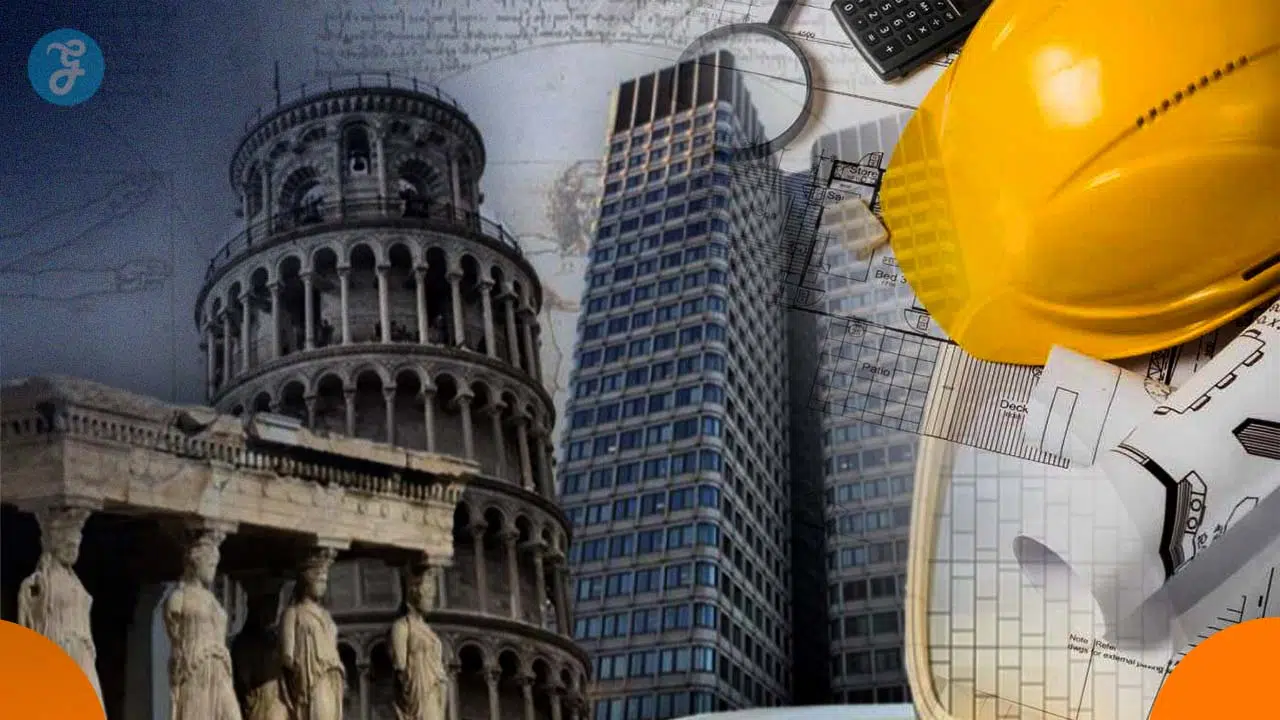
Have you ever walked into a building and felt a specific emotion, even if you could not quite explain why? You are experiencing exactly how architecture reflects the values of its time. Maybe the space made you feel calm, energized, or like you belonged right there. That is no accident. Buildings tell stories. They show us what people cared about, what they feared, and what they dreamed of creating. Every structure around us carries messages from the people who built it.
The problem is that most of us rush past buildings without reading those messages. We miss out on the history, culture, and human values hiding in plain sight. Architects have shaped entire civilizations through their designs. Those designs reveal exactly what mattered most to each generation.
Ancient people built massive temples to honor their gods. During the Middle Ages, towering cathedrals dominated cities because faith ruled daily life. The Industrial Revolution brought factories because progress and efficiency took center stage.
Today, we build green buildings and inclusive spaces because we care about the planet and fairness. I am going to walk you through the exact steps I use to read these hidden messages.
You will learn how to spot the values hiding in architecture and understand why cities look the way they do. Grab a cup of coffee, and let’s go through it together.
Architecture as a Reflection of Society
Buildings tell the stories of the people who created them. They show us what matters most to each society, from the gods they worship to the values they hold dear.
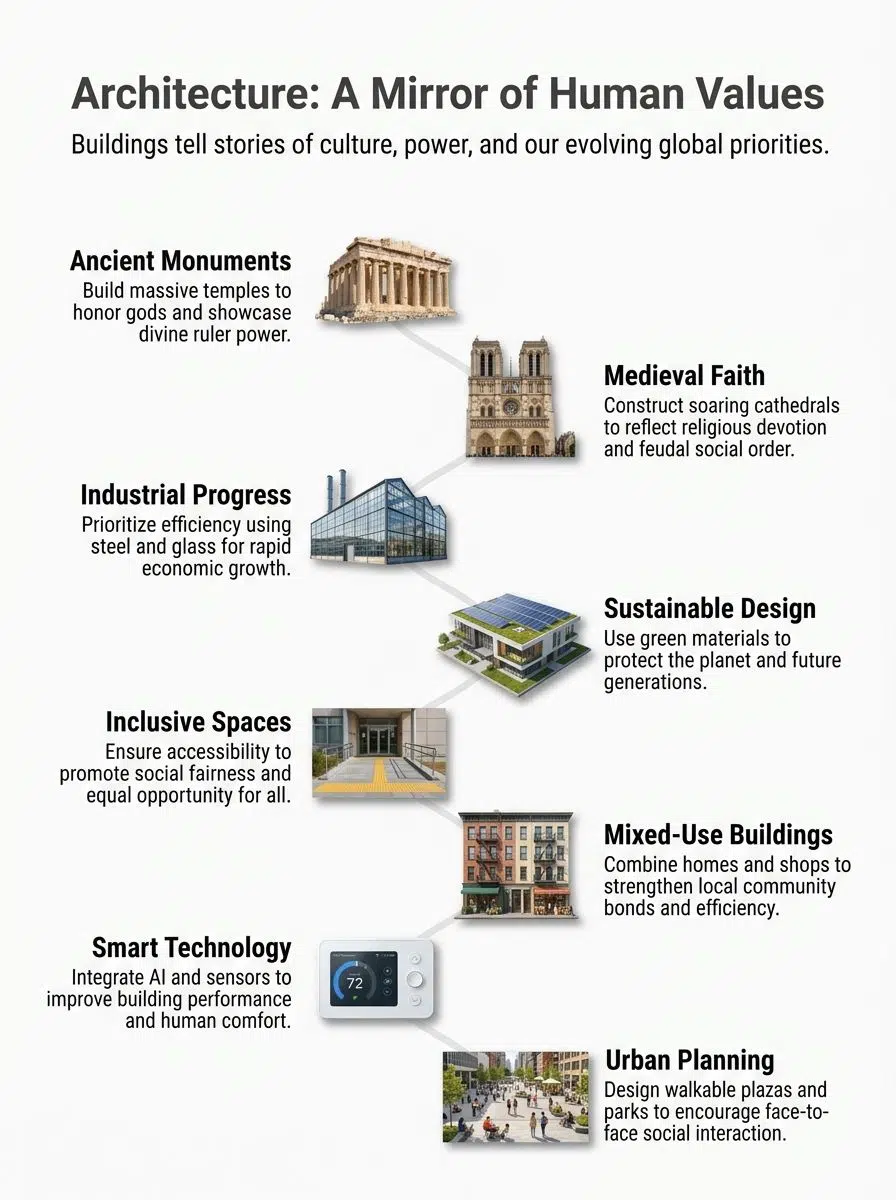
How architecture mirrors cultural identity and beliefs
Architecture tells the story of who we are. Every column, arch, and wall carries the fingerprints of a culture’s values. A society’s design choices reveal its top priorities.
Religious temples dominate skylines in faith-centered cultures. Government buildings stand tall in places that prize civic power. Homes reflect family structures and social hierarchies through their layouts.
Our surroundings shape how we see ourselves and our world. The aesthetics we choose speak volumes about our beliefs. Art Deco flourished during the 1920s and 1930s because people craved optimism and progress.
You can see this perfectly preserved in the iconic Chrysler Building in New York City. Its sleek, metallic spire broadcast American industrial ambition to the world.
Following World War II, the United States saw a massive boom in suburban homes. This shift reflected a new cultural focus on nuclear families, automobile ownership, and private space. Architecture serves as a physical manifestation of tradition, transforming abstract values into concrete forms that people experience every day.
The role of architecture in preserving traditions
Buildings stand as time capsules that hold our cultural identity close. They preserve traditions by keeping old craftsmanship alive through their design and materials. Stone carvers, woodworkers, and artisans pass down their skills to new generations by working on historic structures.
Societies invest heavily in restoring old buildings because they understand the power of heritage. In the United States, preservation is a major priority. As of 2026, the National Park Service reports that the National Register of Historic Places now protects over 100,000 properties.
This commitment to preservation shows that we want future generations to experience our history. Maintaining these structures requires a focused effort:
- Protecting historic materials: Craftspeople study ancient techniques to rebuild damaged sections with care and accuracy.
- Supporting active communities: Restored community halls serve as gathering spaces where people practice their customs.
- Boosting local economies: Historic neighborhoods attract tourism and maintain strict design rules that respect the past.
- Strengthening social bonds: Communities that protect their architectural heritage share a great pride in their history.
Architecture is a physical manifestation of the values that matter most to us.
The aesthetics of traditional design carry meaning that connects us directly to our ancestors.
Historical Perspectives on Architecture and Values
Buildings show us what mattered to ancient civilizations, medieval societies, and industrial nations. We can read the priorities of an era just by looking at its construction techniques.
Ancient structures: Honoring gods and rulers
Ancient peoples built massive structures to show their power and faith. The Egyptian pyramids stand as monuments to pharaohs, whom people viewed as divine beings. These tombs took decades to construct and used limestone blocks weighing up to 15 tons each.
Architects designed every angle to reflect religious beliefs about the afterlife. The Great Pyramid of Khufu demonstrates how societies poured resources into honoring their leaders. The Greeks and Romans also built temples that reflected their values of democracy, gods, and civic pride.
The Parthenon in Athens celebrated the goddess Athena while showcasing Athenian wealth. Roman architecture introduced arches, aqueducts, and concrete to build monuments to emperors. Early United States leaders wanted buildings that projected democratic ideals and stability.
They chose Neoclassical designs for major landmarks to communicate these values clearly:
- The United States Capitol: Features grand columns and a massive dome inspired by classical Roman temples.
- The Supreme Court Building: Uses a Greek temple front to symbolize equal justice under the law.
- The Lincoln Memorial: Modeled directly after the Parthenon to honor the president who saved the Union.
Such monumental design choices set the stage for how future generations would approach civic construction.
Middle Ages: Faith-driven and feudal designs
Rulers shifted their focus from temples to cathedrals as the Middle Ages took hold across Europe. Faith became the driving force behind architecture, and builders poured resources into soaring structures that reached toward heaven. Cathedrals dominated skylines.
Their pointed arches and intricate stonework showcased society’s devotion to religion. Craftsmen dedicated their lives to the work, viewing it as sacred labor. Every carved detail served a purpose in expressing faith.
We see echoes of this devotion in the Gothic Revival style across the United States. For example, St. Patrick’s Cathedral in New York City uses these same soaring, pointed arches. It creates a sense of awe right in the middle of a modern metropolis.
Feudal systems also shaped how buildings functioned. Castles rose up as defensive fortresses with thick walls and narrow windows. The castle design told a story about social hierarchy, making the order visible to everyone who looked at the landscape.
Industrial Revolution: Prioritizing function and progress
The Industrial Revolution transformed architecture into a machine for progress. Factories rose up with tall smokestacks and iron frames, leaving ornament behind. Architects ditched fancy decorations and embraced bare, honest design.
Steel and glass became the new heroes of construction. Function ruled the day, and buildings served one clear purpose. Efficiency was everything, and this era celebrated innovation over traditional craftsmanship.
This shift gave birth to the modern skyscraper. In 1885, architects in Chicago completed the Home Insurance Building. It was the first tall building supported entirely by a fireproof structural steel frame.
This single innovation allowed buildings to climb toward the sky. It told stories of a society obsessed with functionality and advancement.
Modern Architecture and Societal Values
Today’s buildings tell us what matters most right now. Architects shape spaces that reflect our growing care for the planet, our push for fairness, and our desire to bring people together.
Sustainability and green design
Architects today shape buildings that respect our planet. This shift shows exactly what society values most right now. Green design means using materials that protect the earth, cutting down on waste, and saving energy.
Builders install solar panels on roofs and choose recycled materials. These choices tell us that modern culture cares about leaving something good for the next generation. Sustainability is now a core requirement.
This architectural movement reflects a massive change in how we think about responsibility. Recent data from RubyHome shows just how fast this movement is growing in the United States:
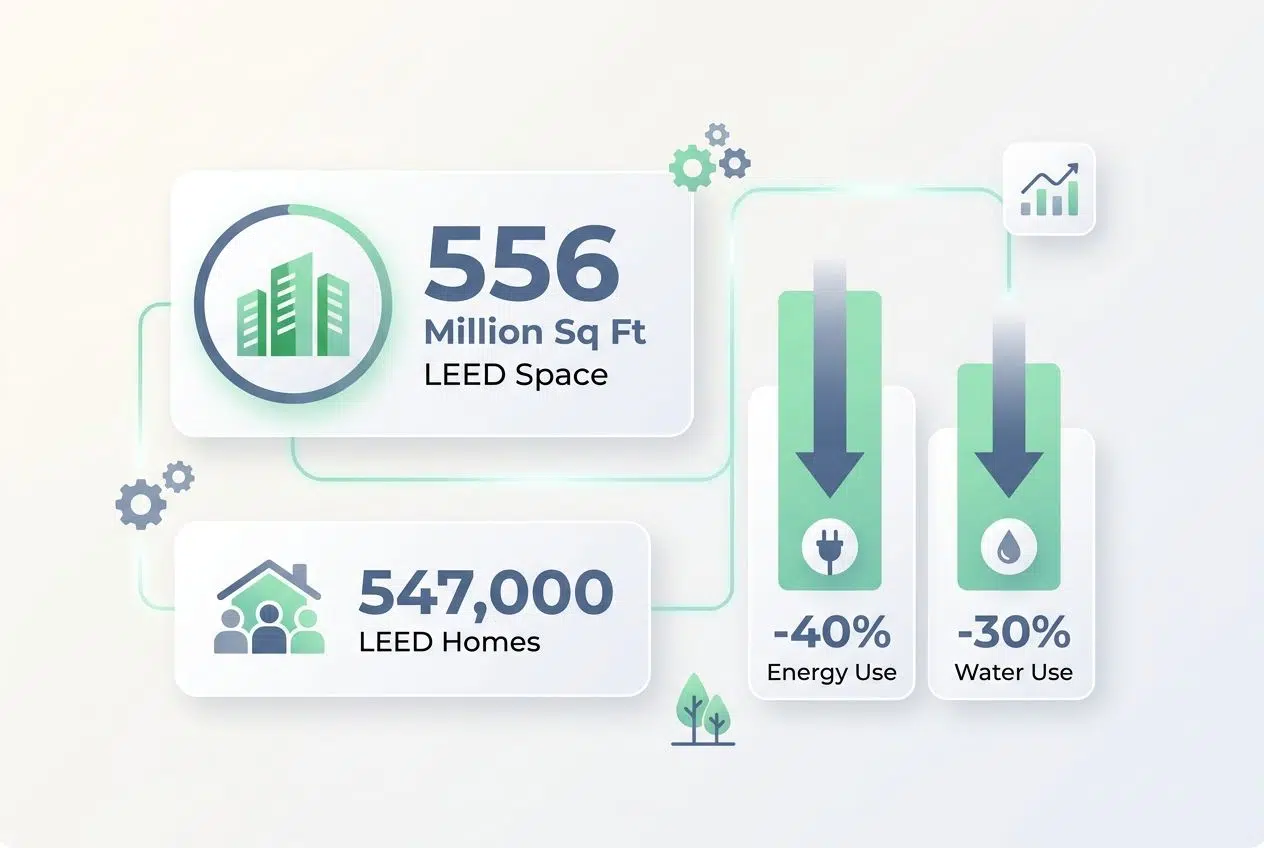
- The U.S. now has over 556 million square feet of LEED-certified space as of 2026.
- Over 547,000 residential homes have earned LEED certification.
- States like Massachusetts and Illinois lead the nation in per-capita green building space.
- Green buildings cut energy use by up to 40% and water use by 30%.
Architects design spaces that work with nature instead of against it. Society’s push for sustainability proves that what we build today shapes the world tomorrow.
Inclusivity in public spaces and accessibility
Green buildings save energy, but they also must create spaces where everyone can thrive. Inclusivity takes this mission further by making sure all people can easily use public spaces. Accessibility features matter just as much as solar panels.
Society values progress that lifts everyone up. Modern architecture reflects this shift toward fairness and equal opportunity. In the United States, the Americans with Disabilities Act transformed how we design our built environment.
Ramps, elevators, and wide doorways turn buildings into welcoming places for everyone. Designers now automatically think about people using wheelchairs, those with hearing loss, and families with strollers. Clear signage helps visitors find their way without confusion.
Seating areas give tired shoppers a place to rest. When buildings welcome everyone, they send a powerful message. It shows our shared values and our commitment to each other.
Mixed-use buildings for efficiency and community
Accessible spaces lay the groundwork for communities to thrive. Mixed-use buildings take that foundation further by blending homes, shops, offices, and gathering spots under one single roof. These structures serve multiple purposes at once.
Residents live steps away from their jobs, and families shop for groceries without driving across town. This design cuts down on travel time and creates vibrant neighborhoods. Many urban planners now promote the “15-minute city” concept, where you can reach all your daily needs within a short walk.
Let’s look at how mixed-use design compares to traditional zoning:
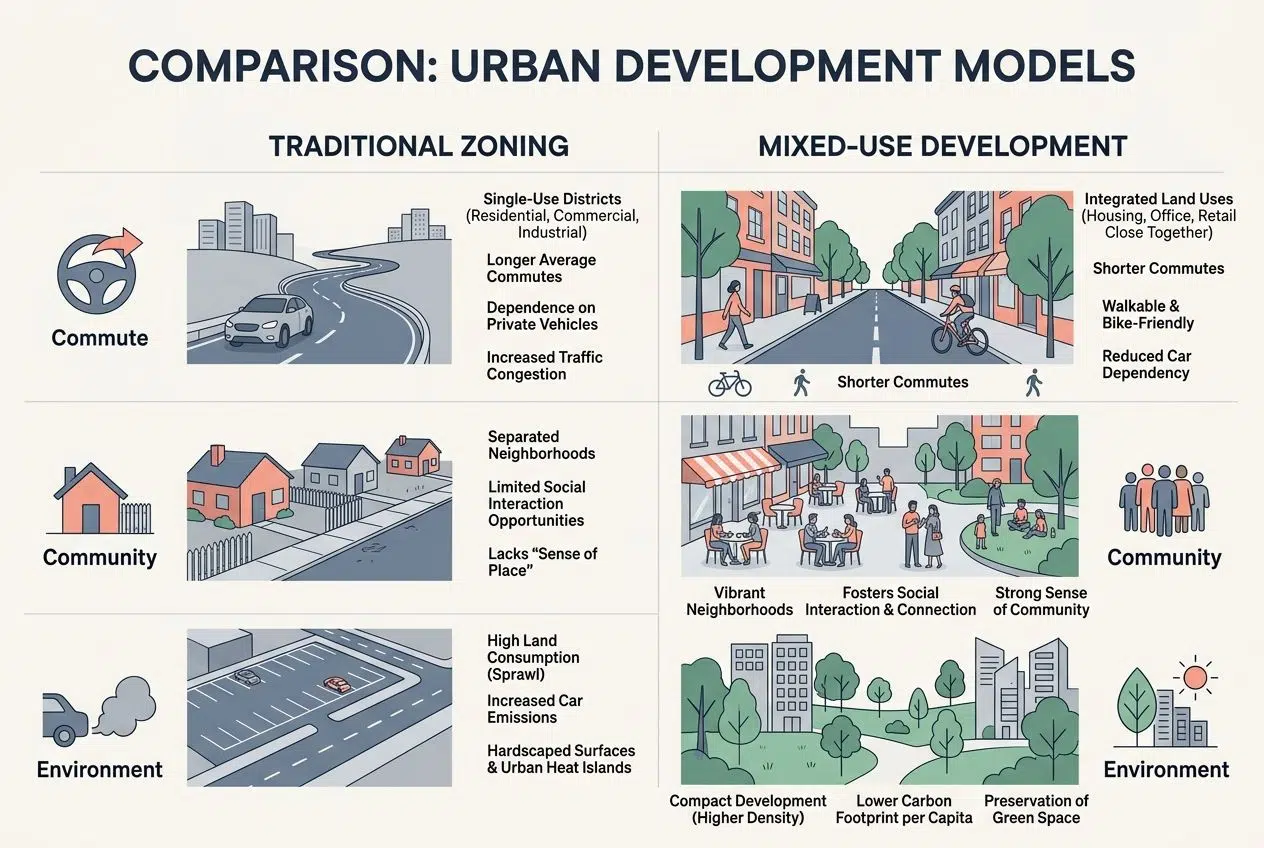
| Feature | Traditional Zoning | Mixed-Use Development |
|---|---|---|
| Commute | Requires driving long distances to work. | Workplaces are steps away from home. |
| Community | Neighbors rarely see each other during the day. | Shared public spaces encourage daily interaction. |
| Environment | High carbon footprint from car dependence. | Low carbon footprint due to walkability. |
The functionality of mixed-use design serves efficiency and builds community bonds. By mixing residential and commercial spaces, designers prove that architecture shapes how we live and relate to one another.
The Role of Technology in Shaping Architecture
Technology transforms how architects design buildings and shapes what structures look like today.
Digital tools and advanced materials
Architects now use computer software to design buildings faster and smarter than ever before. Programs like Building Information Modeling let designers see exactly how a structure will function before construction starts. These digital tools catch problems early, save money, and reduce waste on job sites.
Computers help architects test how buildings will handle earthquakes, storms, and extreme heat. Advanced materials are also changing what buildings can do. We are now seeing incredible leaps in 3D-printed construction.
For example, Texas-based company ICON is rolling out its new Titan system in 2026 to build multistory, 3D-printed communities. These advanced systems offer huge benefits:
- Speed: Printers can construct entire homes in a matter of days.
- Strength: Specialized concrete mixtures withstand harsh weather better than traditional wood framing.
- Affordability: Automation reduces labor costs, making high-quality homes more accessible.
These new construction methods reflect society’s push toward smart, resilient design.
Integration of smart technology in design
Buildings now incorporate sensors, artificial intelligence, and connected systems that respond to your needs in real time. Smart technology transforms how structures function, making them more responsive and user-centered. These systems monitor energy use, adjust lighting based on natural daylight, and regulate temperature automatically.
Architects integrate these innovations seamlessly into the building’s bones. This shift places human comfort at the forefront of design decisions. The demand for these intelligent systems is massive.
According to a 2026 Fortune Business Insights report, the United States smart building market is projected to reach $53.58 billion this year. Buildings equipped with these devices help reduce waste and lower carbon footprints.
Smart buildings demonstrate our commitment to innovation. They show future generations that we valued progress without sacrificing the planet.
Architecture’s Role in Community Building
Buildings shape how people connect, gather, and build relationships with each other.
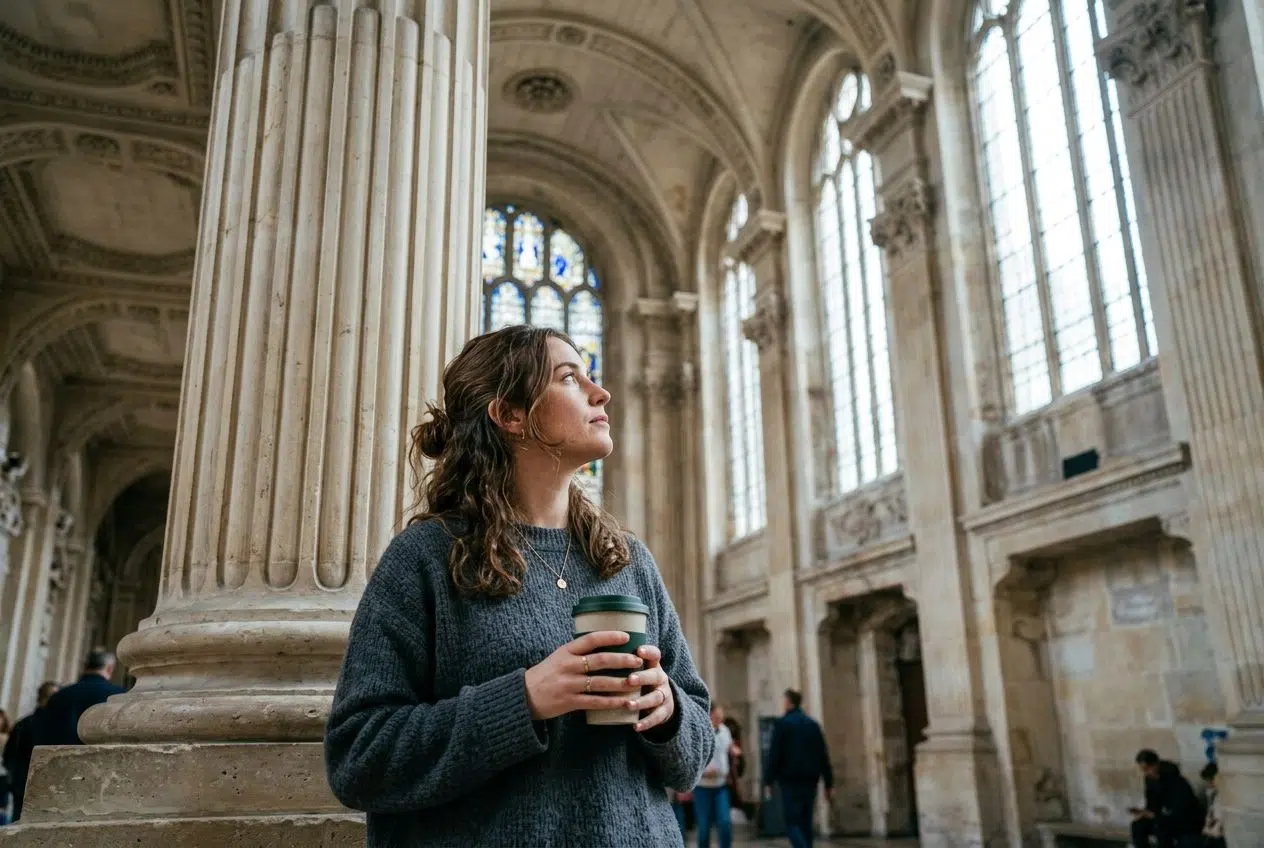
Streets, parks, and plazas shape how people connect. Architects and urban planners craft spaces that pull neighbors together. Wide sidewalks invite walking and chatting.
Open plazas host markets, concerts, and festivals. Benches placed in clusters encourage strangers to become friends. These design choices reflect a society that values community over isolation.
A great example of this is the High Line in New York City. Planners transformed an abandoned, elevated railway track into a vibrant public park. It immediately became a gathering spot where culture thrives, attracting over 8 million visitors annually.
Mixed-use neighborhoods pack shops, homes, and offices into walkable areas. Accessibility features like ramps ensure everyone joins the action. Society sends a clear message through these choices: we care about each other, and we build spaces that prove it.
Empowering communities with cultural elements
Communities thrive when architecture celebrates their heritage and stories. Buildings that feature local art, traditional materials, and cultural symbols give people a deep sense of belonging.
A great example is the National Museum of African American History and Culture in Washington, D.C. Its bronze-colored, tiered exterior takes inspiration from traditional Yoruba crowns. The building itself tells a story before you even walk through the doors.
Design choices that prioritize cultural identity spark genuine pride among residents. You can see this approach working when neighborhoods incorporate specific cultural markers:
- Local materials: Markets built with regional stone or timber showcase native craftsmanship.
- Ancestral narratives: Murals on building facades share local history with every passerby.
- Indigenous patterns: Public libraries use traditional motifs to honor the area’s original inhabitants.
Architecture becomes a voice for the community when it reflects exactly who they are. This approach transforms ordinary spaces into meaningful places where culture lives and breathes.
Examples of Architectural Evolution
Buildings across time show us exactly what people valued most, and these structures tell stories that words alone cannot capture.
Iconic ancient landmarks
Ancient structures stand as powerful testaments to what societies valued most. The Great Pyramid of Giza showcases Egypt’s devotion to honoring rulers and the afterlife. Egyptians poured resources into these monuments because they reflected their deepest beliefs about death and divine power.
The pyramid’s design protected the pharaoh’s remains while reaching toward the heavens. Craftsmanship reached extraordinary levels, with workers aligning stones so precisely that a knife blade cannot fit between them.
The Parthenon in Athens tells a different story about Greek culture. The Greeks built this temple to honor Athena, but they also made it a symbol of democratic achievement. The structure displays mathematical precision and visual harmony that Greeks considered essential to beauty.
Architects crafted spaces that expressed their society’s identity and aspirations. Visitors walking through these ancient landmarks experience the history that shaped entire civilizations.
Contemporary sustainable buildings
Today’s architects build structures that reflect our modern values. Contemporary sustainable buildings show what matters most to our society right now. We prioritize innovation and responsibility to our planet.
These structures use green design principles that cut energy use and waste. The design tells a story about a culture that values the earth as much as aesthetics. We can see this shift clearly in ultra-green structures like the Bullitt Center in Seattle.
It generates its own electricity with solar panels and collects rainwater for all its needs. Features of these modern marvels include:
- Living walls: Plants cover exterior surfaces to naturally cool the building.
- Natural daylighting: Large windows reduce the need for artificial electricity.
- Renewable materials: Builders use reclaimed wood and recycled steel to lower environmental impact.
- Net-zero operations: Buildings produce as much energy as they consume over a year.
Our buildings speak volumes about what we believe in. Right now, they speak about a future where design and nature work together perfectly.
Wrapping Up
Architecture stands as a powerful reflection of what matters most to any society. Buildings tell stories about our values, our dreams, and our priorities. A skyscraper speaks to ambition and progress. A green building shows our care for the planet. Public spaces reveal how much we value community and connection. Each structure carries the fingerprints of its time.
Architects shape the world we live in, and their choices reflect what we hold dear. Your surroundings influence how you think and act every single day. The design of your workplace affects your productivity. Sustainability in construction protects your future. Culture embedded in aesthetics makes cities feel alive and meaningful. As society evolves, so does architecture.
The buildings we create now will teach future generations about who we are. Pay attention to the spaces around you. They show exactly how architecture reflects the values of its time.
Frequently Asked Questions (FAQs) on Architecture as a Reflection of Society
1. How does architecture show what people value in a certain era?
Buildings reflect what folks care about through their design choices. The Burj Khalifa’s record height of 2,722 feet shows our modern obsession with pushing boundaries and celebrating big achievements.
When American cities exploded in the late 1800s, row houses packed families shoulder to shoulder, showing that landing a city job beat having a big backyard.
3. Why do some styles come back after years away?
Trends circle back when people get nostalgic or want comfort from familiar looks. Mid-Century Modern style from the 1950s roared back in the 2010s. Its clean lines pair perfectly with today’s minimalist vibe.
4. Do architects always follow society’s values when designing?
Not always. Frank Gehry’s wild, sculptural Guggenheim Museum Bilbao breaks every traditional rule to make you rethink what buildings can be.