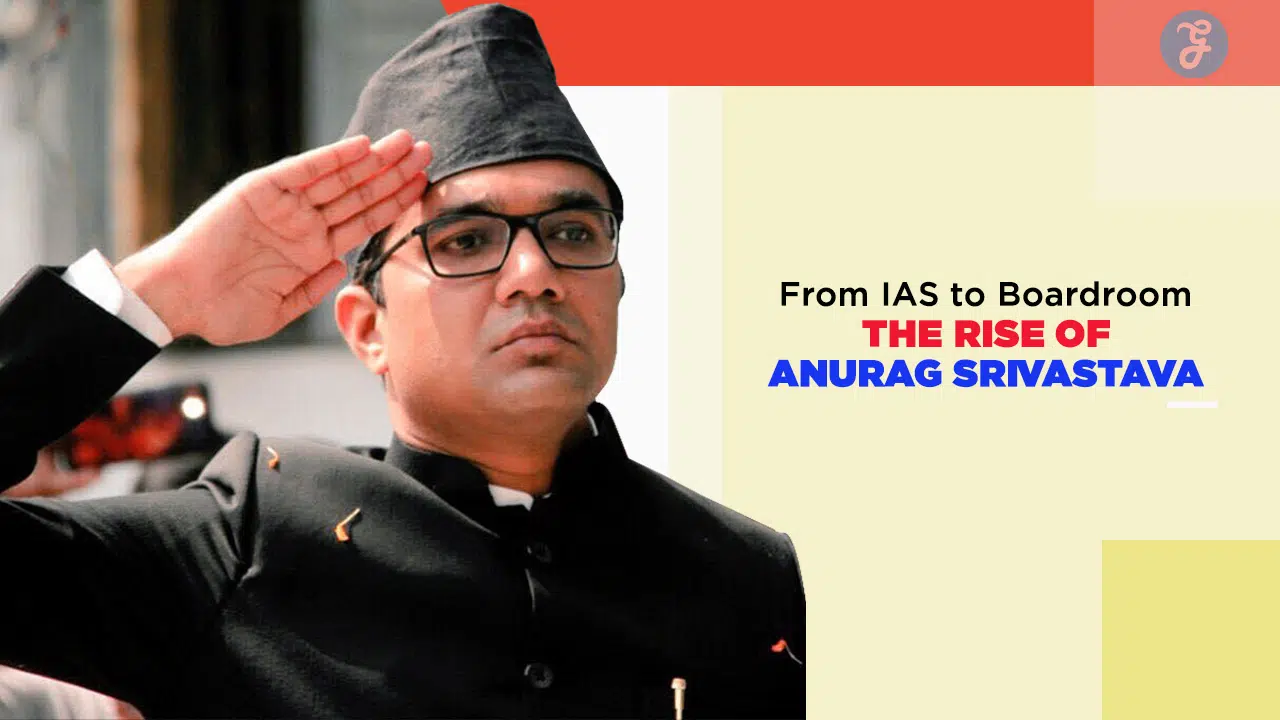
The story of an IAS turned CEO is often told as a tale of ambition, but for Anurag Srivastava, it was a deeper shift in purpose. For sixteen years, he was part of the prestigious Indian Administrative Service. He held the power to move the machinery of the state. He lived with the kind of security that millions in India spend their entire lives chasing. To the outside world, he had made it. Yet, inside the high stone corridors of authority, a quiet realisation began to take hold. It was not a sudden moment of doubt, but a slow and steady feeling.
He found himself at a crossroads where the very thing he had worked so hard to gain started to feel heavy. The comfort of a stable career, once the ultimate prize, began to feel like a limitation rather than an achievement. He realised that while he had found safety, he was losing his sense of challenge.
Leaving the IAS is not a decision made over a morning cup of tea. It is a difficult process of looking inward. The question of why IAS officers leave the civil services is rarely discussed openly, yet Anurag Srivastava’s journey offers a rare and candid answer. Anurag spent a long time questioning his ultimate contribution to the world. He faced a very human fear. He was walking away from a life of guaranteed respect and a defined path. The safety of the bureaucracy is a powerful magnet. Breaking free from it required more than just a plan. It required the courage to admit that his hunger for growth had outgrown his current surroundings.
Anurag understood that true success is not a final destination or a permanent title. It is the bravery to redefine your arena when the old one no longer challenges you. He chose to trade the predictable rhythm of government service for the high stakes world of corporate leadership. This was not an escape from responsibility but a search for a more complex brand of problem solving. By choosing to step into the unknown, he proved that professional identity is fluid. His journey from the district collectorate to the boardroom of Gainwell remains a testament to the power of radical reinvention.
IAS turned CEO: The Trap of Knowing a Little About Everything
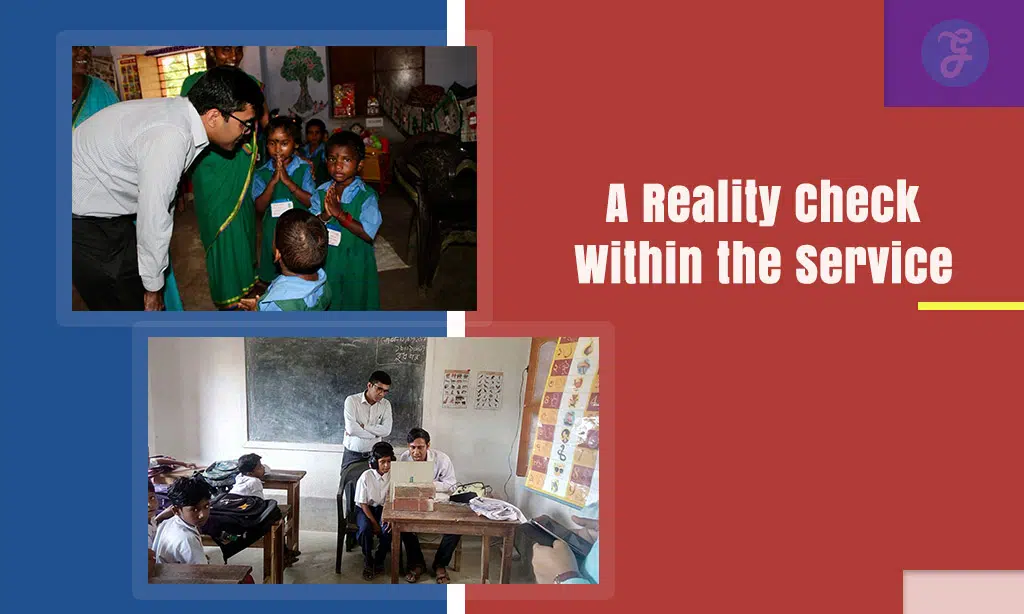
The popular image of the civil services involves immense power and the ability to change lives with a stroke of a pen. The reality for many officers is often far more restrictive. Anurag found himself grappling with what he calls the postman dilemma. In this role, the officer frequently becomes a high-level messenger rather than a primary creator. Orders originate at the top and move through the administrative machinery. The officer ensures the delivery of these instructions but rarely gets to design the strategy behind them. This lack of agency can be draining for someone who wants to build rather than just transmit.
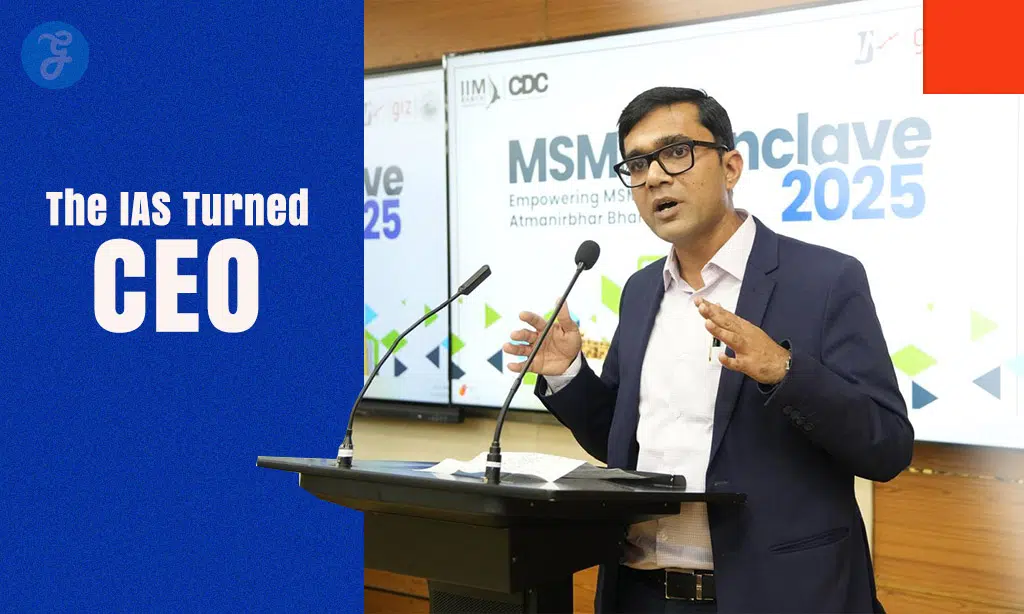 This structural limitation creates a significant gap between the perceived influence of the role and the actual ability to add value. In many positions, the administrative head acts as a facilitator. They manage the process but do not necessarily own the vision. For a professional who prizes intellectual contribution, this can feel like running on a treadmill. You are moving constantly, yet you are not gaining any new ground in terms of specialised knowledge or strategic impact.
When a Broad Profile Becomes a Heavy Cage
The service prides itself on the cult of the generalist. Officers are shifted between departments with startling frequency. One month they might lead a department in health and the next they are overseeing urban transport. While this offers incredible breadth, it often comes at the cost of depth. For high performers like Anurag, this model eventually leads to a sense of professional shallowness. It is difficult to solve deep, systemic problems when you are never in one place long enough to become a true subject matter expert.
This lack of depth creates a vacuum. Since the permanent civil service is often discouraged from specialising, the space for defining strategy has shifted. Political leadership now relies heavily on external consultants to map out long term goals. The officer is left to manage the logistics of implementation. This shift has fundamentally altered the power dynamic of the state. It turns the intellectual engine of the country into an execution arm.
Many bureaucrats take deep offence at being called babus or glorified clerks. However, the system often forces them into that very role. If you cannot decide on the strategy and you cannot try new ideas, you are essentially managing files. The speed of the government machinery is dictated by its weakest link. This creates a sense of déjà vu where the same problems reappear year after year. For a professional looking to evolve, the generalist model can start to feel like a cage. It offers status and comfort but denies the one thing a true leader craves: the freedom to innovate.
Relearning How to Think
Anurag did not simply wake up and resign. He understood that a transition this significant required more than just a change of address. It required a complete overhaul of his mental hardware. He spent nearly two years in a phase of intense preparation. This was a period of quiet study and deep reflection. He had to bridge the gap between the administrative world he knew and the corporate world he wanted to enter. This was not just a job search.
Building on his analytical foundation from IIT Kanpur, he turned to digital learning platforms like Coursera and edX. Interestingly, he did not focus solely on technical business skills. He looked for something deeper. He enrolled in courses on psychology and philosophy. He wanted to understand the fundamental questions of human existence. How do we define success? What truly makes a person happy? How does one find a sense of purpose after leaving a powerful identity behind? These studies helped him untangle his self worth from his government rank. They provided the emotional clarity needed to walk away from the red beacon car and the salutes.
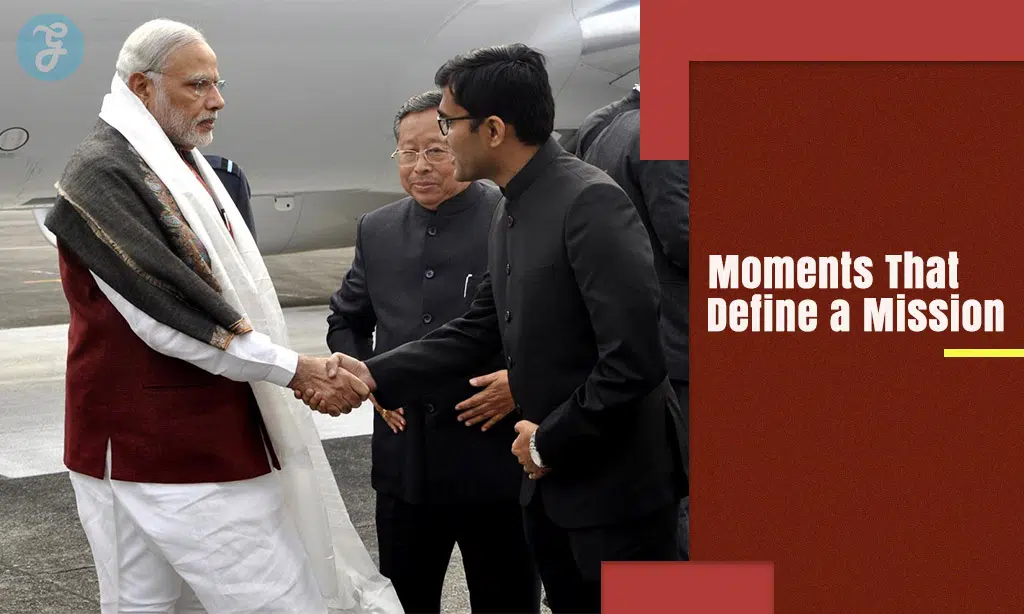
At the same time, he knew he had to master the vocabulary of the future. The language of the business world was changing rapidly. He immersed himself in the mechanics of artificial intelligence and blockchain. He studied the potential of Web3 and the urgency of carbon neutrality. He was not looking to become a coder. He was looking to understand how these technologies would reshape industries. By the time he was ready to leave the service, he could speak to CEOs and founders as a peer who understood the coming shifts in global energy and technology.
Finding the courage to pivot often requires seeing others do it first. Anurag drew strength from individuals who had successfully redefined their careers. He looked at Priyanka Chopra, who built a global presence by daring to step beyond the familiar boundaries of her industry. He observed Ashwini Vaishnaw, who transitioned from the civil services to the corporate sector and eventually into national leadership. Perhaps most importantly, he was inspired by his current boss, Sunil Chaturvedi. As a former IAS officer turned entrepreneur, Chaturvedi was living proof that the skills learned in the service could be successfully transplanted into the private sector.
Mentorship also played a quiet but significant role. During these two years, Anurag reached out to senior professionals and trusted friends. He sought honest advice and listened to their experiences. These conversations helped him navigate the uncertainty of the private market. They grounded his expectations and helped him identify where his administrative experience would be most valuable. He was no longer just an officer. He was a student of the world again.
This period of preparation ensured that when the opportunity to join the consulting world finally arrived, he was ready. He had already done the hard work of shedding his bureaucratic skin. He had replaced the safety of the past with a curiosity for the future. He had tested his viability in his own mind before he ever tested it in a boardroom. This deliberate and disciplined approach is what distinguishes a successful career pivot from an impulsive exit.
Family: The Bedrock of Support
Decisions of this magnitude are rarely taken alone. For Anurag, the transition was underpinned by the unwavering support of his family. His wife, Shreya Srivastava, has been his closest companion since their school days in Class 11. They essentially grew up together. She witnessed every milestone of his professional and personal evolution. Shreya understood his initial reasons for entering the civil services. More importantly, she recognised when that path no longer served his growth. She was not a spectator to his journey. She was his strongest ally. Her deep understanding of his motivations provided the emotional safety net needed to jump.
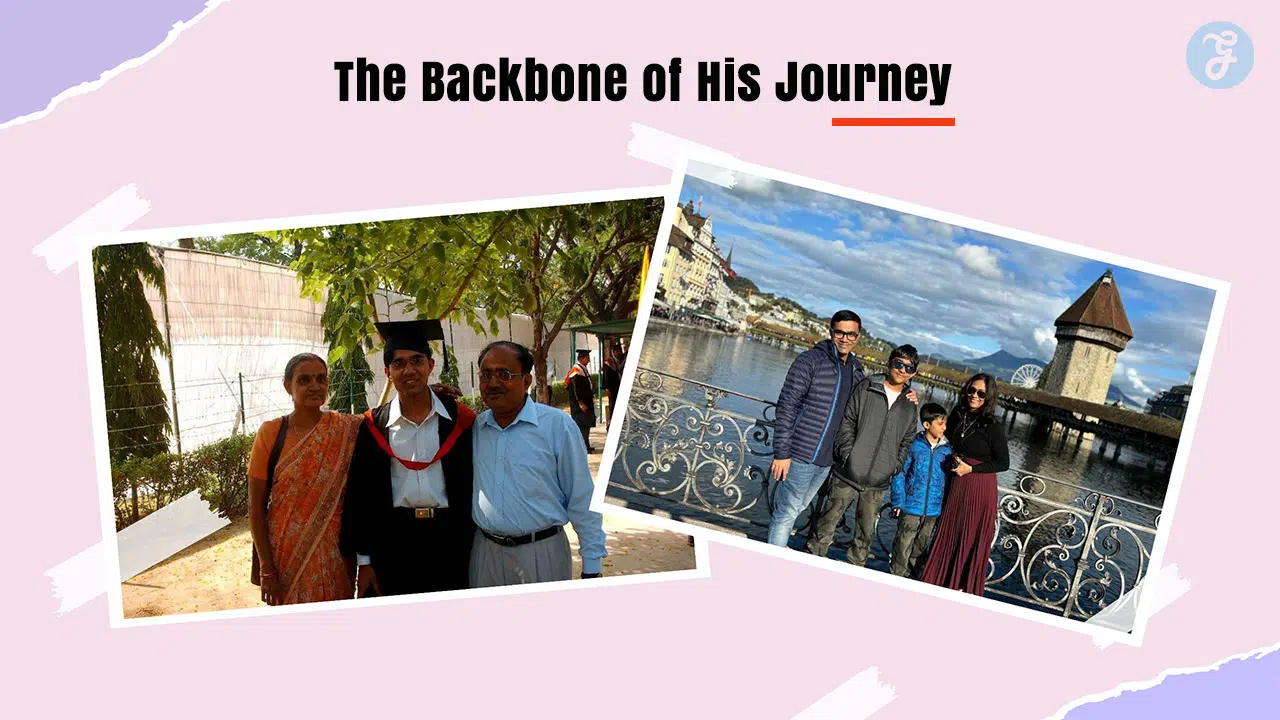 His parents also provided a foundation of trust. In a traditional North Indian household, the IAS represents the pinnacle of achievement. It is more than a job. It is a symbol of social standing and security. Voluntarily leaving such a position is often seen as unthinkable. Yet, when Anurag decided to move on, his parents did not let these societal expectations cloud their judgment. They trusted his vision. They stood firmly by him. This domestic stability allowed him to face external uncertainty with a clear mind. Without this encouragement, taking such a leap would have been significantly more difficult.
Facing the Honest Reality of the Service
Looking back, Anurag speaks about the service with unusual honesty. Nostalgia often hides the difficult parts. He does not. One of the biggest tensions he felt was financial. As an IAS officer, he handled organisations with budgets running into crores. He was part of elite clubs. He moved in circles where wealth was normal. Yet his own financial reality was very different.
The contrast was hard to ignore. He often says there is no glory in poverty. A profession should not demand enforced simplicity as proof of integrity.
This became painfully real when he secured admission to Harvard but could not afford the fees. It forced him to reflect deeply on growth and opportunity. He often quotes Deng Xiaoping’s famous line: “To get rich is glorious.” For Anurag, this was not just a political slogan. It was a practical truth. Growth needs resources.
 He believes a high-performing professional should be able to earn well without compromising integrity. More than anything, he did not want his children to ever face a situation where their ambitions were limited by his profession. Over time, the risk-reward equation in the service simply stopped making sense to him.
Money, however, was not the only issue. The culture of hierarchy and servility was equally difficult. In the bureaucracy, deference to authority is expected. Anurag often recalls a couplet by Iqbal Azim that stayed with him. It says there is no harm in bowing out of respect. But one must never bend so far that their dignity falls. At times, he saw senior officers in states of submission that troubled him. Total reverence was often the safest career strategy. Questioning too much could quietly limit your future. This was very different from the idea of leadership he believed in. There was also a deeper problem with merit. In any organisation, motivation comes from recognising performance. In the bureaucracy, results do not always matter as much as perception. What often counts more is how well you manage political expectations.
For someone driven by ideas and execution, that can feel like a ceiling. Anurag increasingly felt he was missing the chance to actually build things. He wanted to explore new ideas. Work in areas that excited him. Travel with his family. Plan his time.
But in the service, postings can change overnight. A senior officer can be sent anywhere, at any time. There is little room for personal choice. Over time, the lack of agency began to weigh heavily on him. So he chose to leave. Not out of bitterness. Simply because he no longer wanted to keep performing a role that no longer felt true to him.
The Corporate Ascent
Anurag took his first swing at this new reality by joining PwC as a Partner. Here, the pace was relentless. Results were measured in numbers and impact. His former rank mattered far less than his current performance. He successfully bridged the gap between government policy and corporate execution.
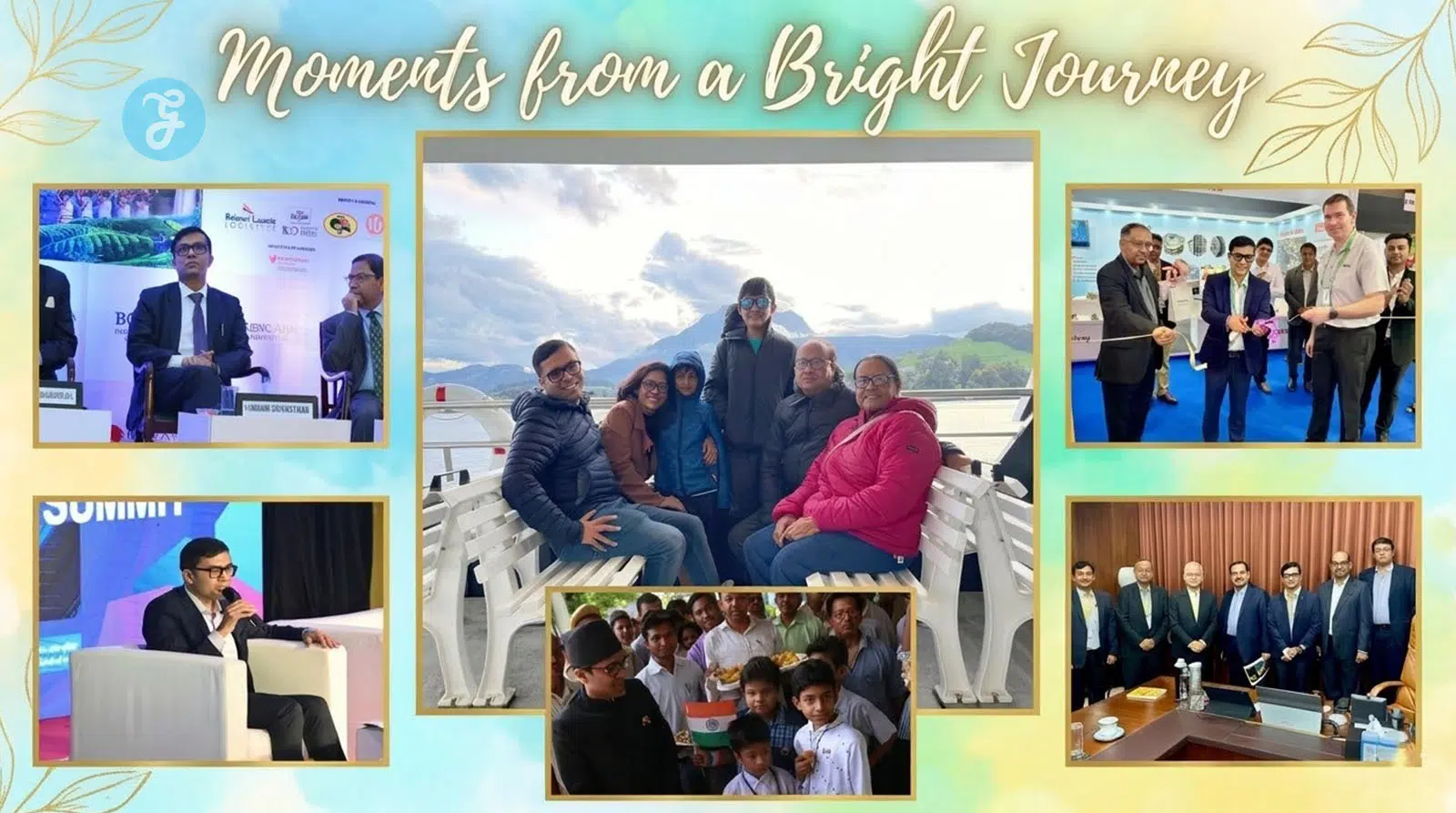
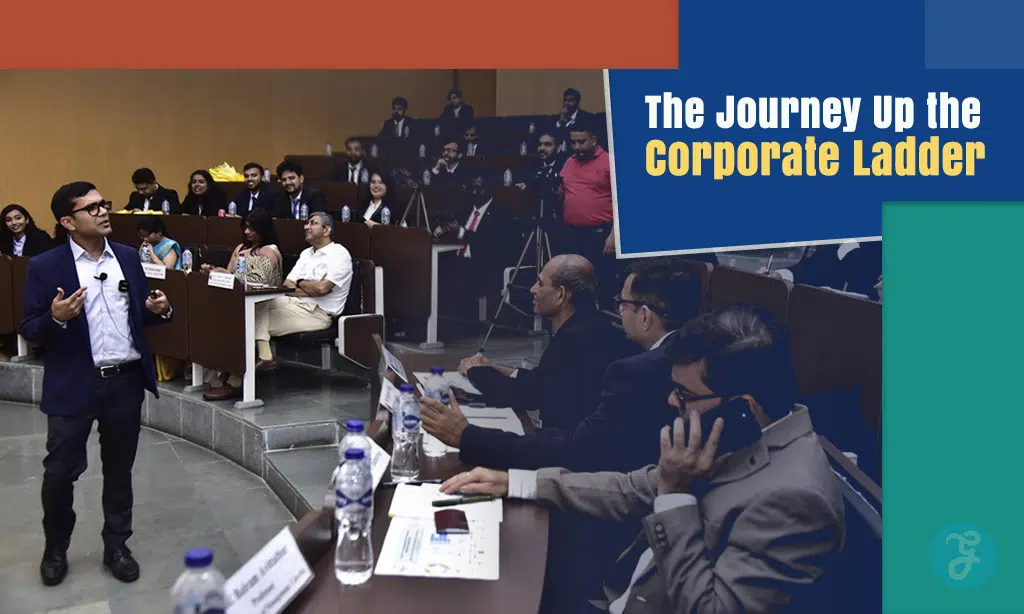 His next major move took him from consulting into the heart of the manufacturing sector. Today, as the MD & CEO PCM, Gainwell, he leads an organisation at the forefront of India’s industrial growth. This role allowed him to finally become the strategist he yearned to be. He is no longer just moving orders. He is defining the direction of a major business. He manages complex operations with a level of depth that the generalist model of the IAS could never offer. His journey into the manufacturing sector proves that administrative discipline can be a powerful asset in the boardroom.
Alongside his corporate duties, Anurag has built a significant digital presence. During his years in government, he had virtually no presence on LinkedIn. Today, he uses the platform to share sharp reflections on leadership and career pivots. He also launched a YouTube channel that has quickly grown to over 10,000 subscribers. In these spaces, he answers the persistent question of why he left the service. He provides a voice of honesty for those who feel stuck in their own careers. He has moved from a world of enforced silence to one of radical transparency.
Looking back, the initial trepidation has given way to new horizons. He tested his ability to survive and thrive outside the government umbrella. He switched industries from consulting to manufacturing with ease. He has proven that an IAS turned CEO can reinvent themselves multiple times. His digital community and his leadership at Gainwell are both evidence of a life lived with purpose. He is no longer a part of the machinery. He is the one driving it forward.
Beyond the Title: Food for Thought
For someone who has held some of the most demanding leadership roles, Anurag Srivastava comes across as remarkably simple and grounded. Ask him a casual question during an interview. Something as ordinary as, “What do you like to eat?” The answer is disarmingly straightforward.
He says he has no particular food preference. “Basically I can eat anything,” he says with an easy smile. Food has never really been something that motivates him.
It is a small moment in a conversation. Yet it quietly reveals the person behind the title. Uncomplicated. Unpretentious. Very much like the boy next door.
Finding the Way Forward
The transition taught Anurag a basic lesson about fear. It never truly disappears on its own. It only begins to shrink when you confront it and take the first step. For many, the uncertainty of the outside world is a barrier. But once you start moving, the path reveals itself. Anurag discovered that humans are incredibly adaptable. When you step outside your comfort zone, you find capabilities you never knew existed. His journey proves that transitions are not just about changing jobs. They are about discovering a new version of yourself.
There is a broader lesson here for the Indian administrative system. The state often underutilises the immense talent within its ranks. Democracy often caters to the median, and the machinery of government is built for stability rather than speed. For high performing professionals, moving out is not just a personal choice. It is a service to the economy. By bringing administrative discipline to the private sector, an IAS turned CEO like Anurag adds a unique value to the boardroom. He understands how to navigate complex systems while driving corporate growth.
Looking back, the risk-reward ratio was clear. He chose to trade the safety of a title for the freedom of impact. He proved that excellence is transferable across any arena. Anurag is done with the part. Today, he is the architect of his own future.
To every young boy or girl reading this: you can achieve greatness. Just stay honest and keep daring to dream. Anurag’s journey proves it. His story sets the standard for integrity and ambition in the modern world.