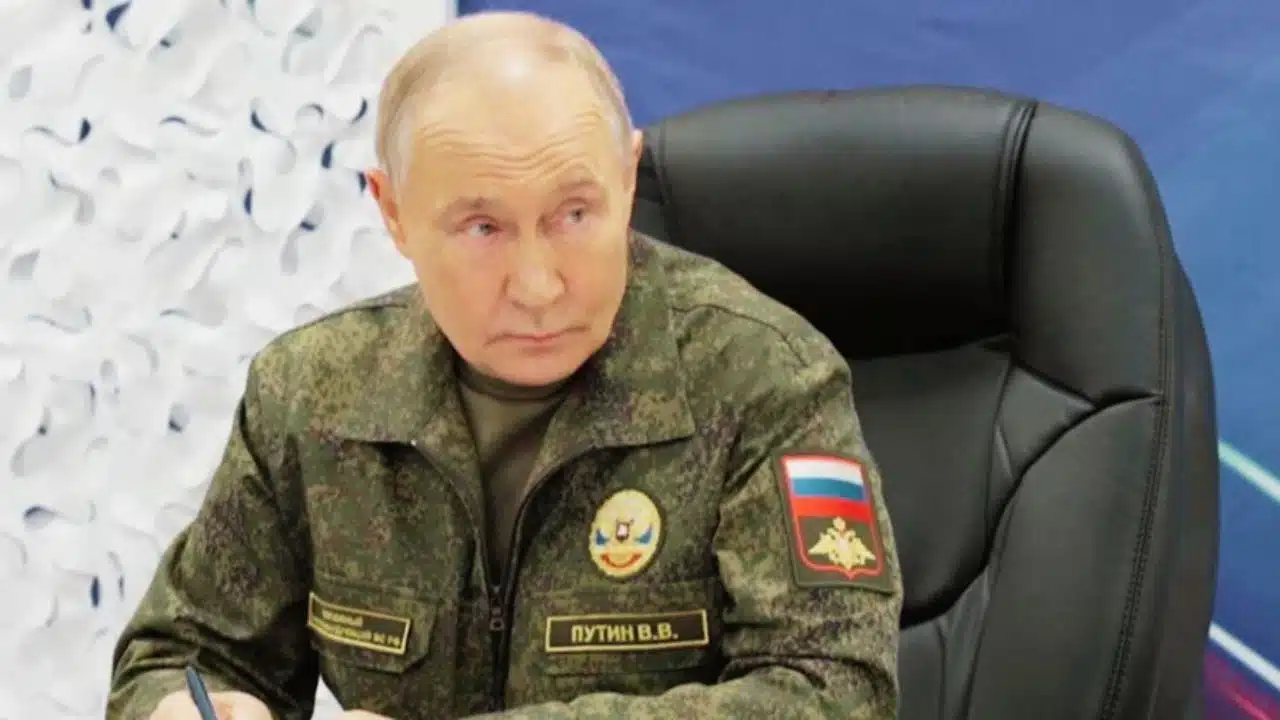
Russian President Vladimir Putin signed a decree on December 30, 2025, ordering military reservists to undergo special training in 2026 to protect critical infrastructure facilities across Russia, including oil refineries, energy complexes, and transport hubs increasingly targeted by Ukrainian drone attacks.
Presidential Decree Activates Infrastructure Defense Plan
President Vladimir Putin authorized an executive order that officially assigns military reservists to special training assemblies throughout 2026, marking a significant expansion of Russia’s domestic defense strategy. The decree, which took effect on Tuesday, mandates the government to compile a comprehensive list of critical facilities requiring enhanced protection, while the Defense Ministry must designate specific military units responsible for conducting specialized training programs.
The presidential order specifies that “citizens of the Russian Federation serving in the mobilization human reserves of the Armed Forces” will be sent to special training centers to ensure the security of vital infrastructure. This directive follows legislation signed by Putin in November 2024 that expanded circumstances under which reservists can be deployed, allowing them to be summoned during peacetime for protective duties.
Mass Recruitment Campaign Already Underway
Despite the decree’s recent signing, recruitment campaigns have already commenced across multiple Russian regions, with at least 20 oblasts actively enlisting reservists into specialized protection units. The Leningrad Oblast authorities were among the first to announce the formation of a BARS-47 detachment in late October 2025, specifically tasked with repelling unmanned aerial vehicle (UAV) attacks and thwarting sabotage operations.
Regions with strategically important energy infrastructure have prioritized recruitment efforts. Tatarstan, Bashkortostan, and Nizhny Novgorod Oblast—home to major oil refineries repeatedly targeted by drone strikes—have initiated large-scale enlistment drives for reservist units. These regional campaigns began before the official amendments took effect, indicating the urgency Russian authorities place on infrastructure protection.
Response to Escalating Drone Attacks
The reservist deployment directly responds to mounting challenges defending military sites and key infrastructure from Ukrainian drone attacks, which have increasingly penetrated deep into Russian territory. Ukrainian forces have systematically targeted Russia’s fuel and energy sector, with drone strikes hitting refineries located hundreds of kilometers from the border.
In November 2025 alone, Ukraine launched at least 14 drone attacks on Russian oil refineries in a monthly record, according to Bloomberg. The sustained campaign has reduced Russia’s average daily refining capacity to approximately 5 million barrels per day, down from the typical 5.3-5.5 million barrels processed in late autumn. Analysis indicates that 38 percent of Russia’s total refining capacity—concentrated in 16 facilities—has been attacked by Ukrainian drones in recent months.
Recent strikes include multiple attacks on the Syzran Oil Refinery in late December 2025, forcing temporary shutdowns and causing blackouts in surrounding areas. The Volgograd refinery was hit four times between August and September 2025, while the Novokuibyshev refinery suffered three strikes in the same period.
Not Mobilization, Russian Officials Insist
Russian military leadership has emphasized that the reservist call-up does not constitute mobilization. Vladimir Tsimlyansky, Deputy Chief of the Main Organizational and Mobilization Directorate of the General Staff, stated that the initiative aims to attract “the most prepared and patriotic citizens” to training rather than implementing broad mobilization measures.
Russia’s mobilization reserve consists of volunteers who have signed contracts committing them to periodic service. Until the November 2024 legislative changes, reservists could be assigned combat duties only during mobilization or wartime and were typically called up for training no more than once annually. The new framework allows for “special” assemblies specifically focused on safeguarding critical infrastructure during peacetime.
Strategic Infrastructure Protection Framework
| Component | Details |
| Decree Signed | December 30, 2025 |
| Implementation Timeline | Training throughout 2026 |
| Regions Recruiting | At least 20 oblasts |
| Target Facilities | Oil refineries, energy complexes, petrochemical plants, transport hubs |
| Example Unit | BARS-47 (Leningrad Oblast) |
| Reservist Role | Territorial defense, drone interception, sabotage prevention |
Defense Ministry’s Territorial Protection Strategy
The Russian Ministry of Defense plans to utilize reservists as a territorial defense force specifically protecting the fuel and energy sector. Standard air defense systems have proven insufficient to intercept small drones operating deep in Russian rear areas, necessitating ground-based protection units. The specialized reservist assemblies will focus on guarding oil refineries, transport hubs, and energy facilities that have repeatedly fallen victim to long-range Ukrainian drone strikes.
The government’s task of compiling a complete list of critical facilities requiring enhanced protection will determine the scale and distribution of reservist deployments across Russia’s vast territory. The Defense Ministry must coordinate with regional authorities to establish effective protection perimeters around vulnerable infrastructure.
Final Thoughts
Putin’s decree formalizes an infrastructure protection strategy already in motion across Russian regions, reflecting the Kremlin’s recognition that Ukrainian drone capabilities pose a persistent threat to vital economic assets. The deployment of reservists to guard critical facilities represents a shift from traditional air defense approaches to ground-based territorial protection, addressing the limitations of conventional systems against small, low-flying drones. As Ukraine continues demonstrating extended strike capabilities against Russian energy infrastructure, the effectiveness of reservist protection units will significantly impact Russia’s ability to maintain refining capacity and energy production throughout 2026.