Every year has its look – that subtle rhythm that runs through fashion, design, even how we decorate our homes. This year, jewelry carries that rhythm softly. It’s less about sparkle and more about presence. Shapes feel grounded. Metals look lived-in. Stones catch light like they’re remembering something.
The new jewelry aesthetic isn’t chasing perfection anymore. It’s about expression that feels natural – pieces that look like they came from someone’s life, not a showcase.
Quiet Strength in Gold
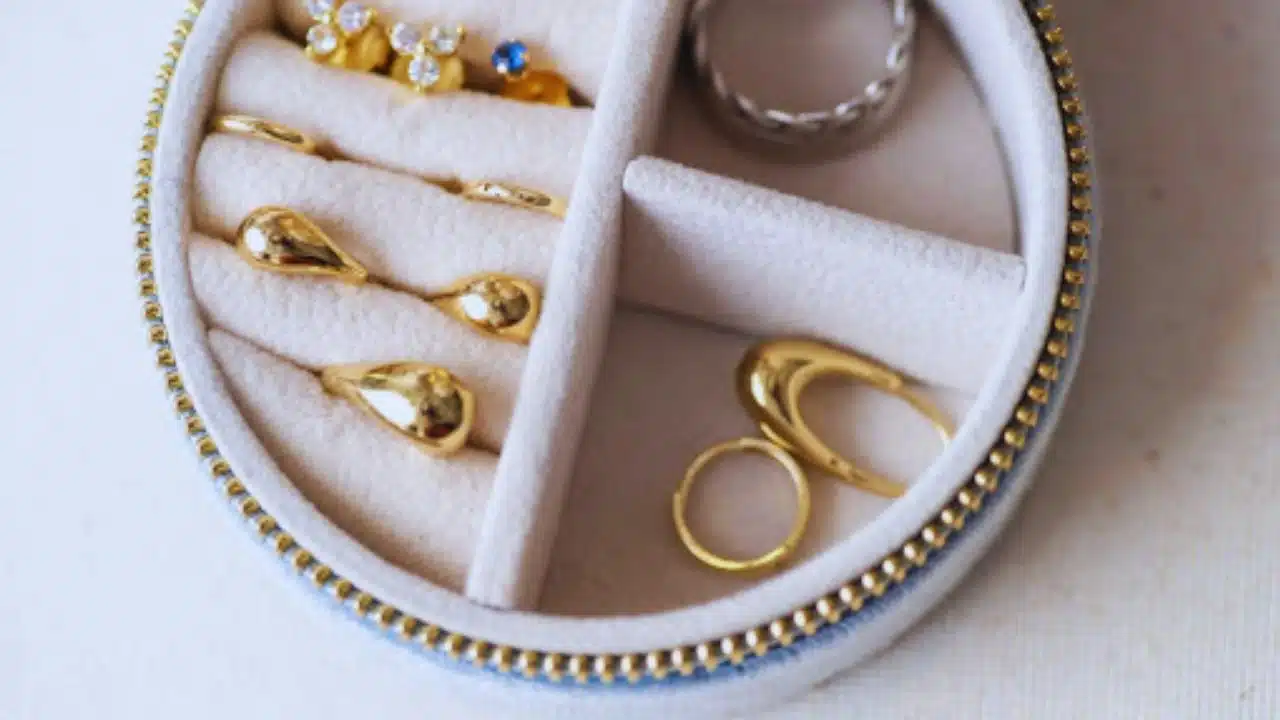
Gold hasn’t lost its hold, but the mood has changed. It’s heavier now, in a good way – more sculptural, more tactile. We’re seeing rings with rounded corners and bracelets that wrap instead of clasp.
The polish is toned down. Finishes are brushed, matte, sometimes even rough. The idea is that gold should glow like candlelight, not like a spotlight. It reflects warmth instead of attention.
What’s interesting is how wearable it’s become again. Thick gold cuffs are showing up with simple white shirts, and heavy chains peek out from under knit collars. Jewelry isn’t saved for evenings anymore. It’s part of daylight – easy, close, familiar.
Diamonds That Feel Human
For years, diamond jewelry was treated like punctuation – something to finish a look. Now it’s part of the conversation. Designers are creating your next diamond piece with softness and story: small clusters instead of single stones, irregular shapes instead of symmetry.
There’s an honesty to these diamonds. They sparkle, but they also breathe. You’ll find rough-cut details, antique-style facets, even gray stones that shift color in different light. They’re beautiful because they aren’t identical.
A thin ring with a single diamond, slightly off-center. A necklace with uneven spacing between each stone. They look handmade, because they are – and that’s exactly what makes them modern.
Sculptural Silver
Silver’s comeback feels less like nostalgia and more like evolution. It’s no longer polished to a mirror. This year’s silver looks softer, like metal that’s been worn by weather and time.
Designers are shaping it into cuffs that curve around the wrist like fabric, or earrings that drape instead of dangle. The metal feels fluid, like it’s learning to move again.
Paired with linen, wool, or even denim, it adds quiet clarity to everyday outfits. It’s cool without being cold.
The Rise of Texture
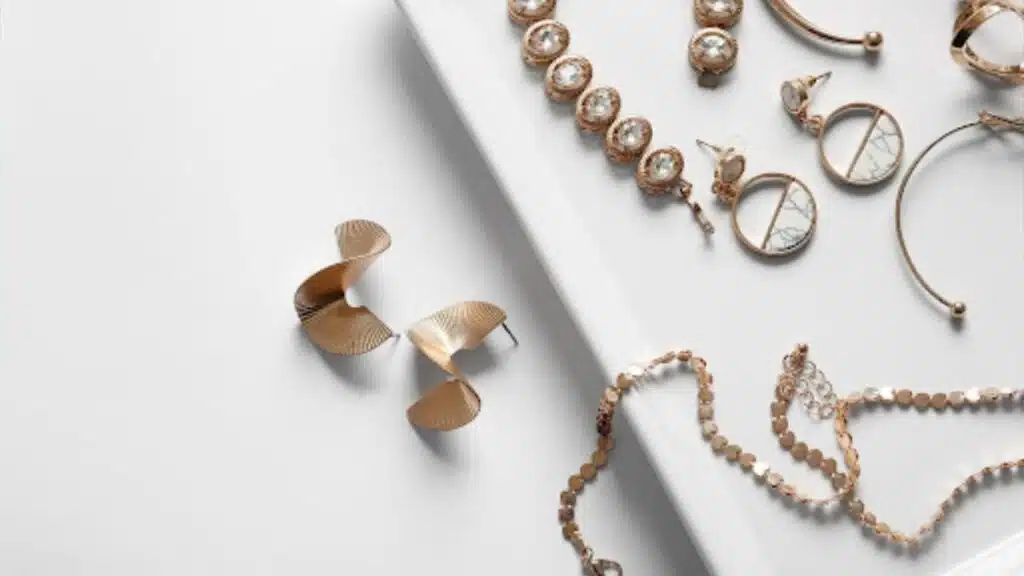
Texture is the detail that’s tying everything together. We’ve gone past the sleek surfaces of minimalism and into something more tactile. Hammered metal, sand-brushed finishes, woven chains – jewelry that you can feel as much as see.
It gives pieces depth and life. A smooth gold ring can be beautiful, but a slightly uneven one feels personal, like it’s been part of your story for a while. The trend isn’t about imperfection – it’s about evidence of touch.
You can see it across collections: layered chains, molten-looking pendants, earrings shaped like droplets mid-fall. Each design has a small fingerprint of craft still visible.
A Play Between Structure and Softness
This year’s aesthetic keeps balancing opposites. Bold metals meet fragile stones. Sharp lines sit beside organic curves. The tension between those worlds – precise and unrefined – is what gives the new collections energy.
A rigid gold cuff with a single floating pearl. A ring that looks melted, yet holds its shape. Earrings that sway slightly out of symmetry. It’s a design language built on contrast, but never conflict.
There’s something deeply wearable about that balance. It mirrors the way most people want to feel – composed, but not constrained.
Meaning, Worn Lightly
Jewelry is carrying more meaning again, but it’s quieter. People are choosing symbols that make sense only to them – a small stone for a birth month, an engraving on the inside of a band, a charm that references a private joke.
It’s sentimental without being showy.
One jeweler described it as “pieces that know who they belong to.” And that’s what this year’s aesthetic captures – an understanding that the most powerful accessories aren’t the ones everyone notices, but the ones you forget to take off.
The Everyday Layer
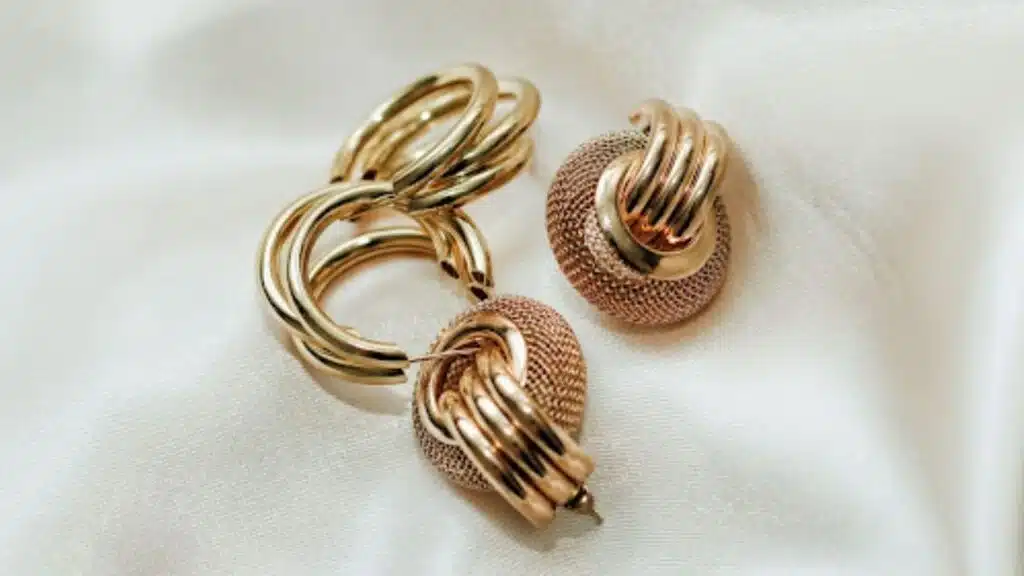
Layering has matured into something deliberate. Instead of stacking for volume, people are stacking for rhythm. A delicate chain sits beside a flat link; a gemstone pendant rests against bare skin. Each piece adds something small – a different shine, a different sound when it moves.
The goal isn’t to match; it’s to harmonize. When it works, it feels like music – soft, continuous, effortless.
The Cultural Shift Behind It All
Every jewelry cycle says something about the moment we’re in. A few years ago, everything was about excess. Then came minimalism – a full retreat. Now, we’re somewhere in between: deliberate, emotional, and slightly undone.
It mirrors how people are dressing, too. We’re layering structure with ease – tailored coats with soft sweaters, clean lines with uneven hems. Jewelry follows that same intuition.
We’ve learned that polish isn’t the same as perfection, and the pieces we reach for most aren’t the loudest – they’re the ones that feel like us on any given day.
What Defines Now
When you look at all of it together – the softer golds, the sculpted silver, the whispering diamonds – the picture becomes clear. This year’s jewelry aesthetic is about honesty. It’s about pieces that don’t need an occasion.
The rings you never take off. The earrings you forget you’re wearing. The chain that sits just right against your collarbone. These are the objects defining the moment – not because they’re new, but because they feel true.
Jewelry has finally found its balance between meaning and ease. Maybe that’s why it looks so right – because it doesn’t try to.