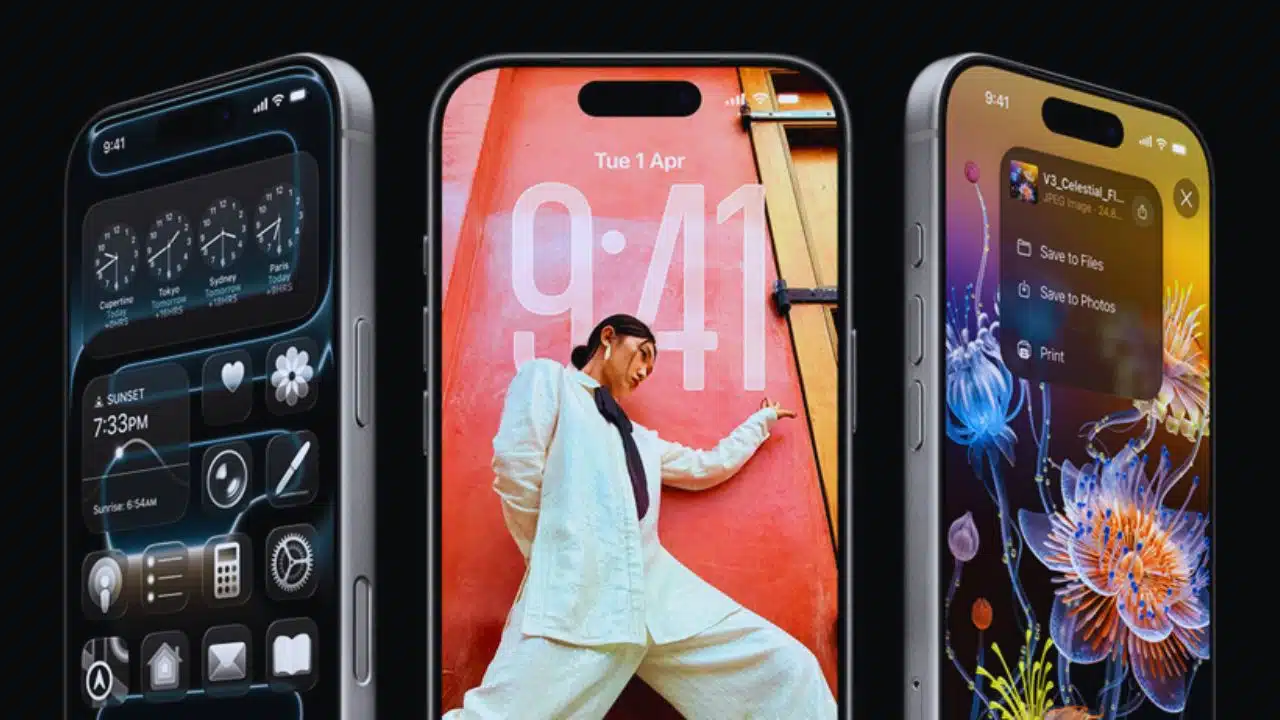
In a move that could redefine smartphone aesthetics, Apple is reportedly gearing up to hide the front-facing camera entirely under the display for its 2027 iPhone lineup, eliminating visible cutouts for a seamless, all-screen experience. This ambitious design, tipped to mark the device’s 20th anniversary, builds on years of behind-the-scenes innovation aimed at Jony Ive’s dream of a “single slab of glass” iPhone. Leaks from reliable sources suggest the technology is advancing steadily, promising not just visual purity but potentially enhanced functionality without compromising photo quality.
The Road to an Under-Display Revolution
Apple’s journey toward concealing the selfie camera has been a multi-year saga of patents and prototypes, driven by the need to overcome longstanding technical hurdles. Early challenges included light distortion through display layers, which historically degraded image contrast and detail in under-screen cameras—a non-starter for Apple’s camera-centric ethos. Now, with progress on under-display Face ID expected in the 2026 iPhone 18 Pro models, the stage is set for full integration by 2027, replacing the current Dynamic Island with a true edge-to-edge screen.
Tipster Digital Chat Station, a Weibo-based leaker with a strong track record, confirmed that Apple’s under-screen camera development is “progressing as planned,” targeting at least one model in the iPhone 20 series. This follows reports of Apple solving key Face ID embedding issues, which will first debut in a punch-hole design next year before evolving into invisibility. Industry observers note that while Android devices have experimented with under-display cameras, Apple’s focus on premium image quality has delayed adoption until the tech meets its exacting standards.
Technical Hurdles and Breakthroughs
Embedding a camera beneath the OLED display requires sophisticated engineering to ensure light passes cleanly to the sensor without pixel interference. Patents filed by Apple since 2019 detail solutions like specialized prisms and sensor arrays, but the real leap comes from advancements in transparent display layers and AI-enhanced image processing. For the front-facing camera, this means maintaining the 12MP or higher resolution seen in recent models, with features like Center Stage video and portrait modes intact.
Face ID integration adds another layer of complexity, as the TrueDepth camera system must also go invisible, potentially using laser-based dot projectors hidden under the screen. Leaks indicate Apple has addressed ambient light sensor placement already, paving the way for a holistic under-display ecosystem. By 2027, this could enable not just a notch-free design but also slimmer bezels and new form factors, like an ultra-thin “iPhone Air 2” variant.
Implications for Design and User Experience
A fully concealed camera would transform the iPhone’s front into an uninterrupted canvas, boosting immersion for media consumption, AR apps, and video calls. Users could enjoy a 6.9-inch or larger display without the visual distraction of cutouts, aligning with Apple’s minimalist philosophy that debuted with the iPhone X’s notch in 2017. Beyond aesthetics, it opens doors to innovative features, such as always-on ambient displays or gesture controls that leverage the extra screen real estate.
However, skeptics point to past delays in similar tech, like the periscope zoom lenses patented years ago but only recently refined. For creators and photographers, the key question is performance: Will under-display selfies match the sharpness of current 18MP sensors with AI-driven enhancements like Photographic Styles? Early Android implementations suffered quality dips, but Apple’s vertical integration—from custom silicon to display tech—positions it to deliver superior results.
A 20th Anniversary Milestone
Tying into the iPhone’s 20-year legacy since its 2007 debut, 2027’s redesign could spawn special branding, perhaps ditching the numeric “iPhone 20” for something evocative like “iPhone Air” to celebrate the achievement. This timeline syncs with broader rumors of redesigned rear cameras and advanced sensors for the lineup, emphasizing computational photography over hardware bulk. As Apple continues to lead in premium smartphone innovation, this concealed camera push underscores its commitment to evolving the device into an even more versatile tool for everyday life.
While these details stem from leaks and supply chain whispers, Apple’s history of turning rumors into reality—think Dynamic Island’s rapid evolution—suggests 2027 could indeed usher in the most seamless iPhone yet.