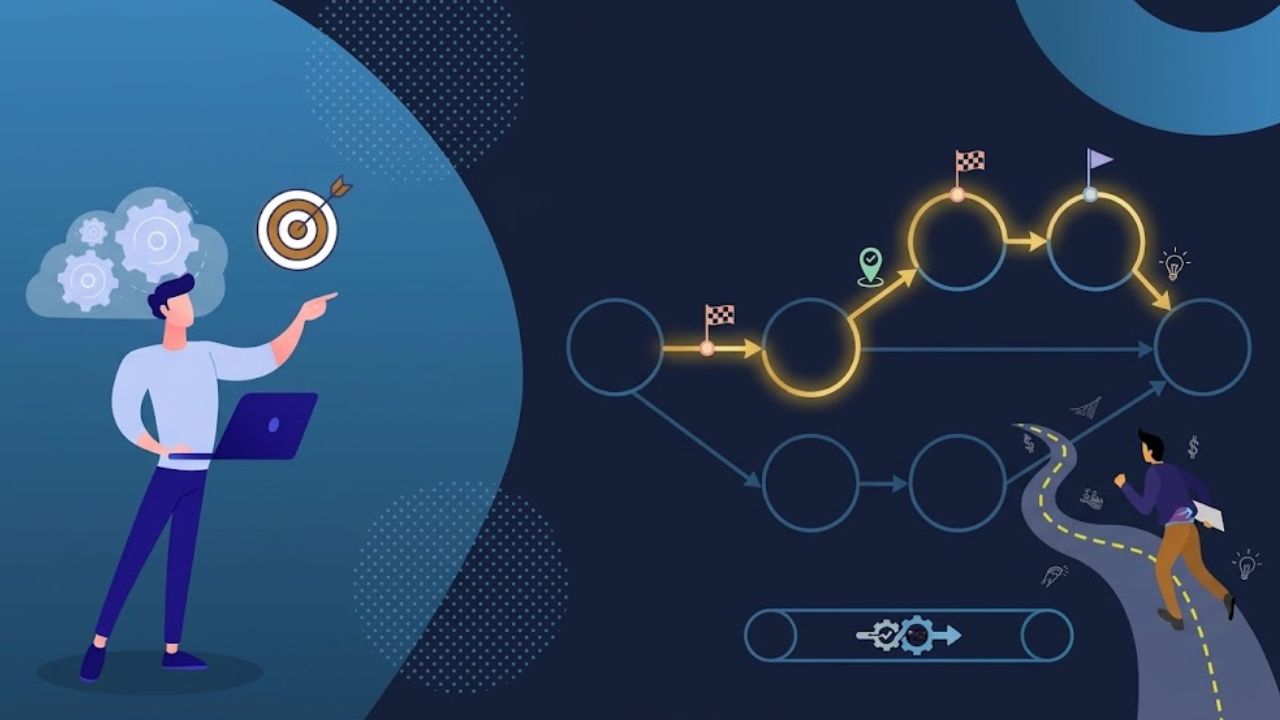
Recruitment is undergoing a technological revolution, reshaping how organizations find, engage, and select top talent. At the forefront of this transformation are AI recruiting tools that streamline hiring operations, making it easier for job seekers and employers to navigate an often complex process. Companies no longer rely solely on manual resume review or endless email threads; artificial intelligence now powers many of these traditional workflows. This shift is not just about automating tedious tasks. Innovative AI solutions actively enhance how candidates experience each stage of recruitment, from initial application to final offer. As the demand for faster, more equitable, and more engaging hiring grows, AI is crucial in elevating the candidate journey and ensuring organizations attract the best fit for their roles.
What Job Seekers Really Want from Today’s Recruitment Process
Today’s job seekers expect efficiency, transparency, and respect at every step of the application process. They want quicker feedback, meaningful interactions with recruiters, and fairness throughout shortlisting and selection. One of the most common complaints is the infamous “application black hole,” where submissions vanish without acknowledgment or feedback. AI addresses these frustrations by automating status updates, sending immediate acknowledgments, and ensuring candidates remain informed during each stage. Additionally, personalization is becoming a central expectation. Candidates prefer tailored job recommendations, clear information about company culture, and communications that treat them as individuals rather than numbers in a system. AI-powered platforms can analyze candidate profiles and deliver custom-fit job suggestions, helping job seekers find opportunities they might otherwise miss.
How AI-Powered Tools Improve Candidate Journey
AI recruiting technologies bring speed and precision to every phase of the hiring process. For example, natural language processing tools quickly scan resumes and applications to identify top matches based on skills, experience, and keywords. This reduces time-to-hire and helps recruiters avoid overlooking qualified candidates due to human error or workload constraints. Moreover, intelligent chatbots now answer applicants’ questions around the clock, providing real-time support that was previously impossible. With AI, scheduling interviews is no longer a back-and-forth ordeal. Automated interview platforms integrate directly with candidate and recruiter calendars, offering convenient slots and rescheduling with minimal friction. These tech-driven efficiencies free human recruiters to focus on higher-value activities, like building relationships and understanding cultural fit.
Reducing Bias in Hiring with Technology
One of the most promising benefits of AI in recruitment is its ability to reduce unconscious bias. Human decision-making is inherently subjective, shaped by personal experiences, preferences, and cultural influences. By contrast, well-designed AI systems evaluate candidates based on objective, predetermined criteria, such as skill matches or assessment performance. When implemented thoughtfully, these tools can help expand opportunity to more diverse candidate pools, supporting more inclusive hiring practices.
However, it’s critical to recognize that AI is not infallible—algorithms are only as fair as the data and processes behind them. To mitigate risks, organizations must continuously monitor their AI systems for signs of bias and make proactive adjustments as needed.
Personalized Communication at Scale
AI excels at delivering timely, relevant communication to hundreds or thousands of candidates simultaneously. Leveraging applicant tracking systems powered by machine learning, recruiters send customized emails, reminders, and updates based on a candidate’s progress, interests, or concerns. This level of personalization keeps candidates engaged and enhances their perception of the employer brand. The result is a more positive overall experience, where candidates feel seen and valued—regardless of the ultimate hiring decision. AI is dramatically improving responsiveness and quality of communication, allowing recruiters to nurture and maintain better relationships with talent communities.
Real-World Examples of AI Enhancements in Recruitment
Organizations across industries are achieving tangible results with AI-powered recruitment platforms. For instance, large enterprises use automated resume screening to handle thousands of applications for each job posting, quickly pinpointing top candidates and reducing time spent on manual review. Chatbots from leading recruitment software providers now deliver 24/7 support, answering candidate queries and scheduling interviews at any hour. Some companies are going further by using predictive analytics to identify candidates who are likely to succeed, based on past performance and cultural alignment. Others deploy video interview platforms with AI-driven analysis to help surface soft skills and attributes that may go unnoticed. These advancements have significantly improved hiring processes’ speed, satisfaction, and consistency worldwide.
Ethics and Transparency: Building Trust with Candidates
As AI takes on more responsibility in recruitment, ensuring ethical use and transparency is critical. Candidates must know when and how AI is used in the process, what data is collected, and how decisions are made. Employers are increasingly disclosing the role of algorithms in hiring decisions, establishing clear privacy policies, and providing candidates with avenues for feedback and redress. Ultimately, trust builds employer brands and encourages broader participation in recruitment pipelines, especially among underrepresented groups who may harbor reservations about opaque systems.
Preparing for the Future: Trends to Watch
Looking ahead, the AI-driven recruitment landscape will continue to shift. Emerging trends include increased use of mobile-first application processes, virtual reality (VR) onboarding experiences, and integration of AI tools with employee retention analytics for end-to-end talent management. As regulations around AI tighten, investment in explainable and auditable AI will also rise, further supporting transparency and candidate trust. Recruiters and job seekers must remain agile, continually building new skills and understanding the technologies shaping their prospects. Staying updated on evolving best practices will be crucial for long-term success.
Final Thoughts: Balancing Tech and the Human Touch
AI recruiting tools have ushered in a new era of streamlined, fair, and engaging candidate experiences. The best outcomes, however, are achieved when organizations blend cutting-edge automation with genuine human connection. While technology can efficiently handle repetitive tasks, human recruiters are essential for nuanced judgment, empathy, and authentic relationships. By adopting a balanced approach to digital transformation, businesses and candidates alike can look forward to a recruitment process that is more efficient and rewarding for everyone involved.