

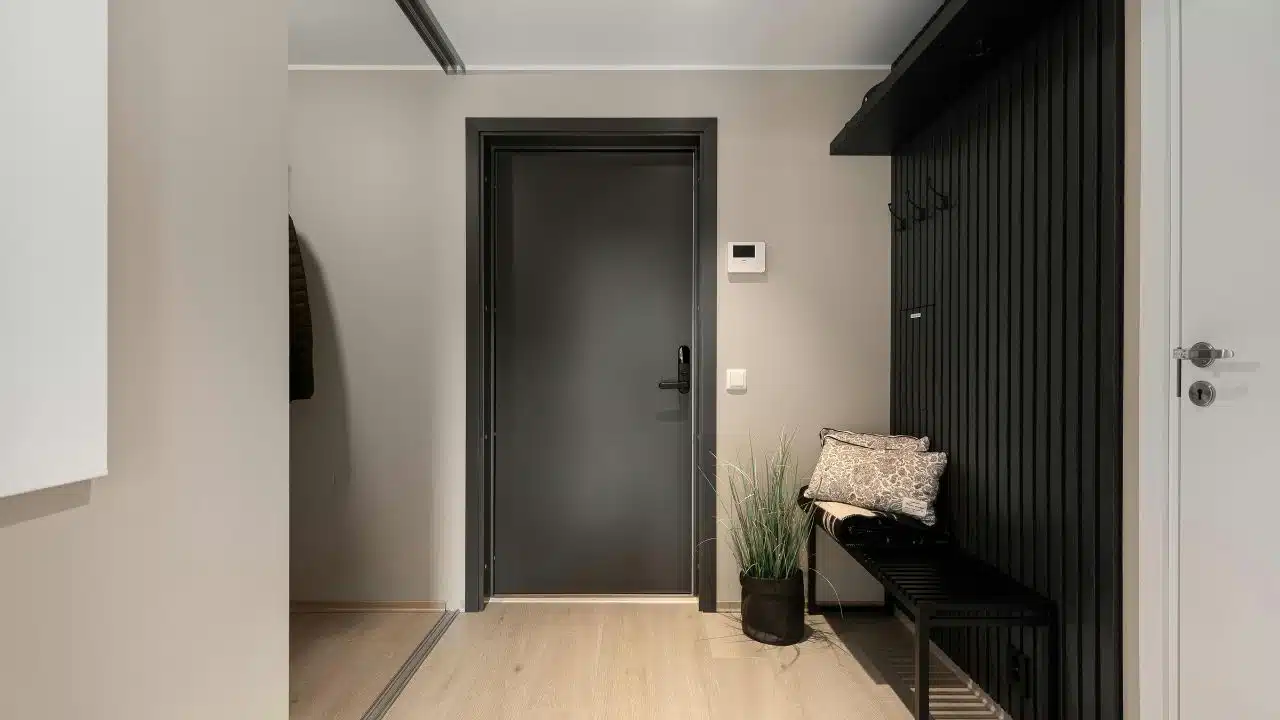
Every building tells a story, and the front door is often the first chapter. The design, material, and finish of a door are not just functional choices but also key elements in shaping the character of a structure. A metal door, in particular, carries a weight of permanence and security while also serving as a design feature that can elevate or diminish the aesthetic of the property. Selecting the right door style means considering how it complements the building’s larger architectural language.
When viewed from the street, doors provide a visual anchor that reinforces an architectural theme. Whether a building is sleek and modern or steeped in tradition, a mismatched door can create a disjointed impression. On the other hand, a thoughtfully selected metal door can unify design choices, adding continuity and refinement. Property owners who treat the entrance as an extension of architectural design often achieve a stronger, more coherent curb appeal.
In practice, this means analyzing not only the structural lines of a building but also its finishes and proportions. A tall, narrow glass-paneled steel door may look entirely appropriate on a minimalist office complex but would be out of place on a colonial-style residence. Understanding this dynamic is the first step in making metal door selections that are harmonious and intentional.
Exploring Materials and Finishes for Design Consistency
The choice of materials and finishes in a metal door has direct consequences for architectural compatibility. Steel, aluminum, and stainless steel are among the most common options, each carrying different design implications. Steel doors, with their weight and durability, lend themselves well to institutional or industrial environments, while aluminum often works best for modern commercial projects that prioritize sleekness and versatility. Stainless steel, with its polished surface, communicates sophistication and endurance.
The finish of a door is as critical as the material itself. Powder-coated doors allow for a range of colors that can blend seamlessly with existing exteriors, while brushed or polished finishes create a more striking visual presence. Matching finishes to window frames, railings, or façade details helps achieve a cohesive appearance. Architects and designers often view the finish as a final layer of architectural expression, one that can either harmonize with or disrupt a façade.
A strong understanding of how different metals perform in both visual and practical contexts is essential when choosing the right door. Factors such as longevity, resistance to wear, and compatibility with the building’s overall palette all come into play. Examining metal door styles and finishes within this framework can help ensure selections that support both design intent and functional performance.
Aligning Door Styles with Traditional Architecture
Traditional architectural forms, such as colonial, craftsman, or Victorian, carry with them specific design vocabularies. Doors in these contexts should reflect proportion, symmetry, and detail consistent with those traditions. For example, paneled steel doors painted in muted tones can evoke the solid, reassuring presence of a colonial home while still providing the strength and durability of modern construction. Craftsman-style homes, known for their focus on wood textures and natural forms, can pair well with metal doors that incorporate wood veneer finishes or subtle paneling details.
Victorian architecture, characterized by ornate detailing and decorative flourishes, requires more intricate considerations. A flat industrial-style steel door would conflict with the richness of the design. Instead, a door with decorative grilles, embossed panels, or even stained-glass inserts framed in metal could bridge historical tradition with contemporary performance. By adapting metal doors to mimic historical cues, designers ensure that functionality is not gained at the expense of heritage aesthetics.
The challenge with traditional architecture is balance. Overly modern doors can clash with the architectural language, while excessively ornamental doors may look inauthentic if they stray too far from practical design. The best solutions respect the integrity of the building’s history while subtly integrating modern features like improved security, energy efficiency, and low-maintenance finishes.
Integrating Metal Doors into Modern Architecture
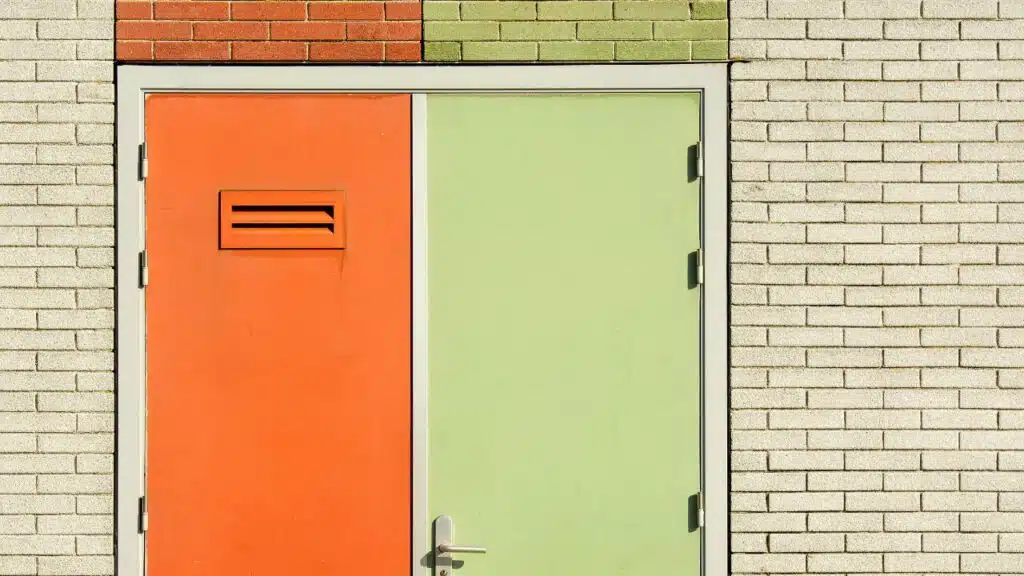
Modern architectural styles prioritize clean lines, minimal ornamentation, and an emphasis on materials. Within this context, metal doors feel at home. Steel and aluminum doors with large glass inserts are frequently chosen for their ability to merge transparency and durability, qualities that resonate with the openness of contemporary design. The slim sightlines achievable with metal doors also reinforce the horizontal and vertical lines common in modern architecture.
Color and finish play a significant role in modern applications. Matte black or natural brushed steel finishes are especially effective for buildings with monochromatic or neutral façades. Pairing a glass-and-steel door with polished concrete, large windows, or composite siding can produce a cohesive modern composition. Designers often see the entrance as an opportunity to highlight the architectural clarity that defines the rest of the structure.
Metal doors also lend themselves to technological integration, which aligns with modernist principles of innovation. Features such as smart locks, automated entry systems, and energy-efficient glazing can be incorporated seamlessly without compromising the door’s appearance. In this sense, the metal door does not just match the architectural style but actively contributes to its forward-looking vision.
Addressing Commercial vs. Residential Applications
Commercial and residential projects demand different priorities when it comes to metal door selection. In commercial buildings, the focus often falls on durability, fire resistance, and compliance with safety standards. A retail storefront may use glass-heavy aluminum doors to maximize visibility, while an office tower may prefer understated steel entries that emphasize security. Each of these solutions still needs to complement the broader architectural form of the building.
In residential settings, the conversation expands to include warmth, personalization, and neighborhood integration. Homeowners may be wary of doors that feel too industrial, but modern fabrication techniques allow for a softer touch. Options such as decorative paneling, integrated sidelights, or wood-textured finishes help residential metal doors feel more approachable without sacrificing strength. The ability to customize color and detailing makes metal doors increasingly popular for homes that blend traditional charm with contemporary convenience.
The divergence between commercial and residential needs illustrates the flexibility of metal as a material. Its adaptability ensures that a metal door can meet rigorous building codes in one context while simultaneously expressing personal style in another. Recognizing the different requirements across sectors allows for more tailored and effective design solutions.
Considering Security and Performance Alongside Style
While style is critical, the practical performance of a door cannot be overlooked. Metal doors are often chosen for their superior security compared to wood or composite alternatives. Steel and reinforced aluminum can resist forced entry, making them suitable for environments where protection is a priority. This functional benefit must be weighed alongside aesthetic concerns to ensure a door enhances both safety and architectural coherence.
Performance also includes energy efficiency and environmental control. Properly insulated metal doors can minimize heat loss, contributing to reduced energy costs and improved comfort for occupants. Modern door systems often incorporate thermal breaks, weather seals, and double-glazed inserts to meet demanding energy codes without compromising appearance. These features are particularly important in climates where durability and environmental control intersect.
Maintenance is another factor tied to performance. A well-finished metal door resists rust, warping, and surface damage better than many other options. Powder coatings and protective layers extend the life of the door and preserve its visual appeal. This makes metal doors a long-term investment that pays dividends in both function and form.
Customization and Design Flexibility
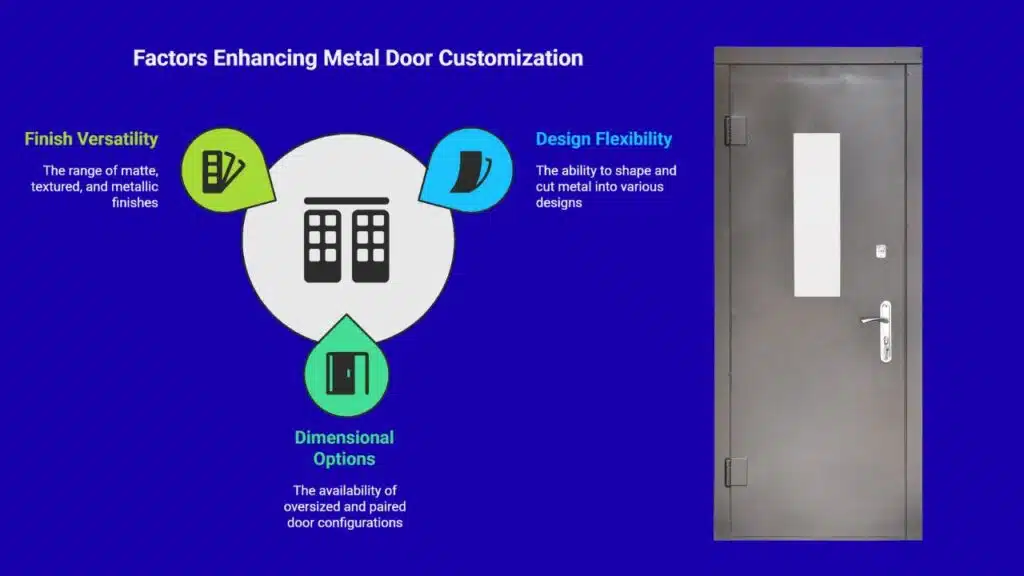
One of the greatest advantages of metal doors lies in their ability to be customized. Unlike traditional wood, metal can be shaped, cut, and finished to achieve nearly any design vision. This flexibility allows architects and property owners to create entrances that reinforce a building’s individuality while still maintaining coherence with its style. From minimalist flat panels to ornate cutouts and decorative patterns, the range of possibilities is broad.
Customization also extends to dimensions and configurations. Oversized pivot doors, paired entryways, and integrated transoms or sidelights can all be fabricated with precision in metal. These options give designers freedom to create focal points at building entrances without compromising structural integrity. Such adaptability makes metal a preferred material when unique or complex design requirements arise.
The ability to tailor finishes adds yet another layer of versatility. From matte and textured coatings to metallic and reflective surfaces, metal doors can be produced to match or contrast with surrounding materials. This adaptability ensures that regardless of the architectural theme, there is a metal door solution that can align with both function and design goals.
Final Thoughts: Achieving Harmony Between Form and Function
The process of matching a metal door to a building’s architecture requires more than a passing glance at catalog options. It demands an understanding of the building’s character, its practical needs, and the visual statement it intends to make. A successful choice unites security, performance, and design into one coherent whole.
Architectural harmony is not achieved through rigid rules but through thoughtful application of principles. The material, finish, and detailing of a door should enhance the architecture rather than compete with it. By treating the entrance as both a functional barrier and an aesthetic feature, property owners can create stronger connections between buildings and their occupants.
Ultimately, the right metal door is an investment in both identity and longevity. It preserves the safety of the structure while contributing to its architectural presence. When approached with care, the selection process transforms a simple door into a defining architectural feature.





















