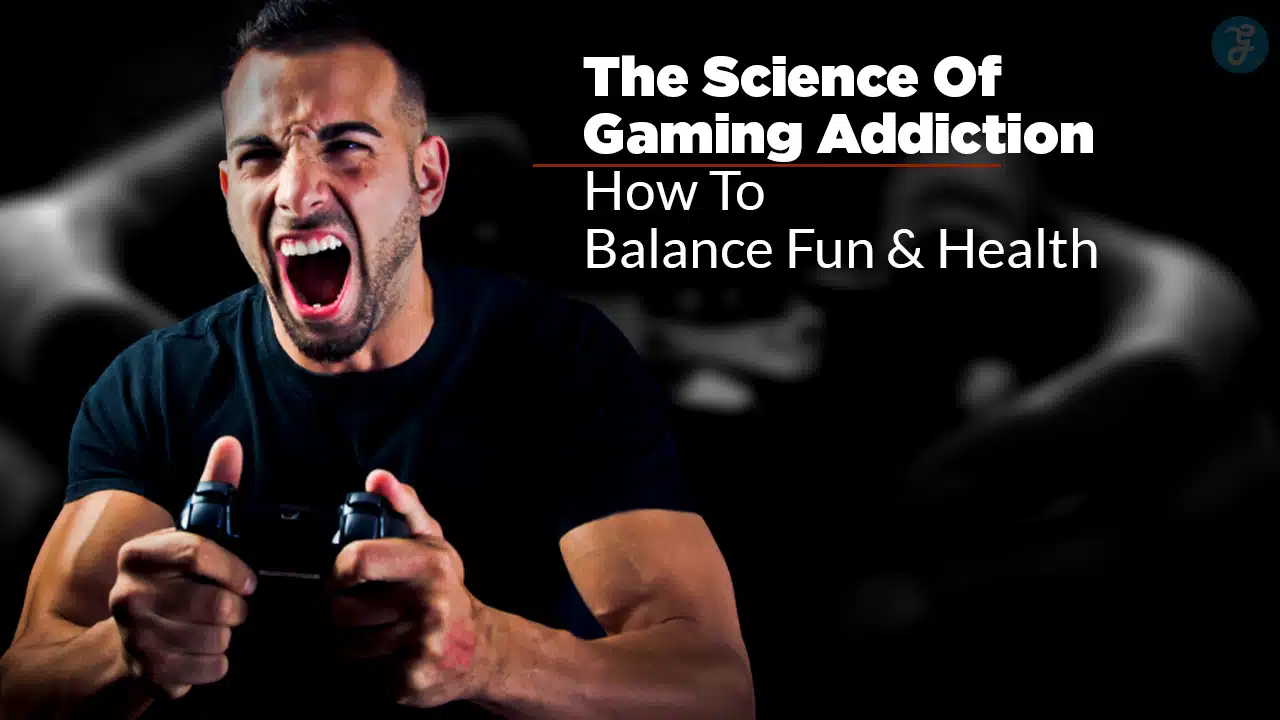
Video games can be a fun escape. But for some, gaming takes over their lives. Hours pass in front of screens, while sleep, health, and relationships get ignored. If this sounds familiar, you’re not alone.
Excessive gaming is tied to mental health struggles like stress and anxiety. Experts even call it “gaming disorder.” The good news? You can enjoy games *and* stay healthy. This blog will explore how to spot addiction signs, protect your brain and body, and balance screen time with real-life activities.
Stay tuned—your gaming habits might change for the better!
Understanding Gaming Addiction
Gaming addiction happens when playing video games takes over daily life. It can lead to ignoring school, work, or family responsibilities. The World Health Organization (WHO) calls this “gaming disorder” and adds it to the International Classification of Diseases (ICD-11).
People may feel trapped. Games hook players by triggering the brain’s pleasure center with dopamine bursts, making it hard to stop.
Players often use games as a way to escape stress or bad emotions. This coping habit can lead to dependency. Over time, long gaming hours mess with sleep schedules and mental health, causing anxiety or depression.
Problem gamers might lose touch with friends outside their screens or face physical problems like eye strain, gamer’s thumb, or back pain from poor posture.
Video games should be fun—don’t let them take more than they give.
Effects of Gaming Addiction on the Brain
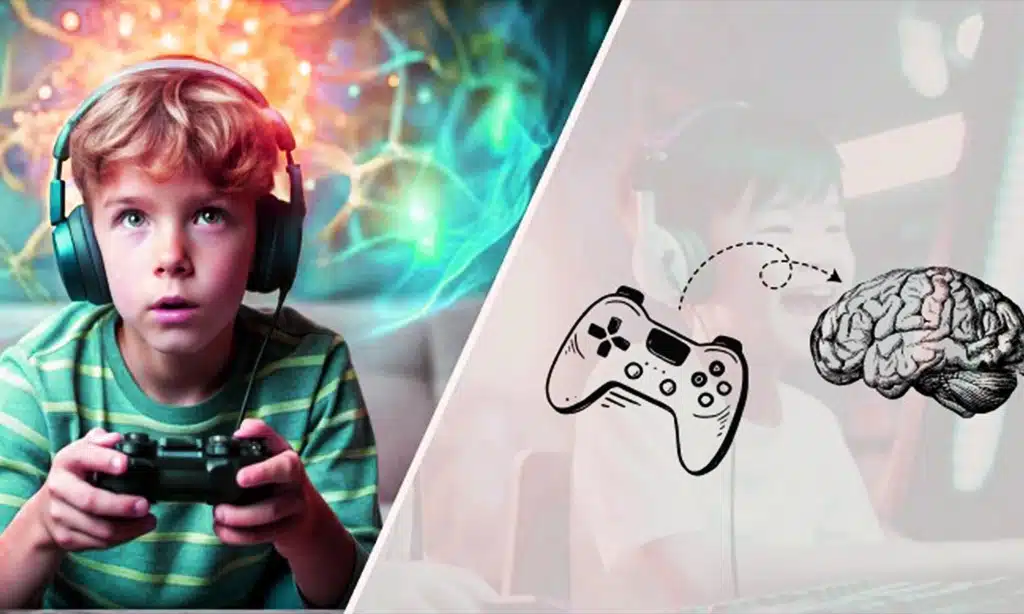
Gaming can rewire the brain, shaping how it handles rewards and emotions. It may push the pleasure center into overdrive, leaving other feelings in the shadows.
Triggering Dopamine Exhaustion
Playing video games triggers the brain’s pleasure center by releasing dopamine. This chemical makes you feel good and crave rewards. Too much gaming, though, can overload this system.
The constant rush of dopamine leaves your brain tired and less responsive over time. As a result, normal activities may no longer feel enjoyable.
Feeling unhappy or unmotivated without gaming is common in people with internet gaming disorder (IGD). Overloading on dopamine can also lead to impulsive behavior or difficulty focusing on daily tasks.
Balancing screen time and taking breaks helps avoid these harmful effects while keeping your brain healthy.
Suppressing Negative Emotions
Some gamers turn to video games to avoid sadness, anger, or anxiety. This habit can grow into a form of escape. Video games often give quick rewards and control, which feels better than facing hard emotions in real life.
Over time, this coping method might make players dependent on gaming.
“Gaming became my way out—I didn’t have to deal with what hurt,” shared a recovering gamer.
But ignoring tough feelings doesn’t make them go away; it just piles them up. Problem gamers risk losing emotional strength while relying too much on screen time for comfort.
Identifying Signs and Symptoms of Gaming Addiction
Spotting gaming addiction early is key to staying healthy. These signs might show if gaming is becoming a problem:
- Playing for longer hours than planned and losing track of time often.
- Feeling upset, anxious, or restless when not playing games.
- Skipping meals, losing sleep, or forgetting everyday responsibilities to keep gaming.
- Using gaming as a way to escape bad moods or stress regularly.
- Lying about how much time is spent playing video games to friends or family members.
- Struggling with school, work, or relationships due to too much focus on gaming.
- Feeling the need to play more often to get the same level of excitement—similar to chasing dopamine highs.
- Ignoring physical discomfort like back pain, hand cramps, or eye strain caused by long hours of screen time.
Exploring the Health Impacts of Gaming Addiction
Too much gaming can harm physical health. Hours of screen time may cause eye strain or “PlayStation thumb,” which is swelling in the fingers from overuse. Other injuries include carpal tunnel syndrome and repetitive stress problems like de Quervain’s tenosynovitis.
Sitting for long periods can lead to obesity and back pain, while sleep deprivation disrupts mental focus and energy.
Mental health also takes a hit. Gaming addiction has been linked to depression, anxiety, and impulsivity. Many people use games to escape negative emotions but grow dependent on them instead.
This coping habit weakens their ability to address real-life problems, leaving them stuck in distress or isolation.
Implementing Strategies for Balanced Gaming
Finding balance in gaming can feel like walking a tightrope. With small changes, you can enjoy games without harm to your health.
Establishing Time Limits
Set a daily gaming limit, like two hours per day, to avoid overuse. Track screen time using timers or apps. Small steps like these can prevent excessive gaming and mental stress.
Stick to planned times for games. Avoid staying up late for “just one more level.” Poor sleep from extended play can lead to issues like anxiety or depression. Balancing fun and rest is key!
Using Gaming as a Reward
Tie gaming to tasks or goals. For example, allow an hour of video games after completing homework or chores. This approach makes gaming feel like a treat, not a need. It also teaches self-control and balance.
Keep track of screen time carefully. Too much can lead to problems like eye strain, poor sleep, or even gaming addiction. Using this system promotes staying active while still enjoying games responsibly.
Engaging in Physical Activities
Get moving to balance out screen time. Activities like jogging, swimming, or even walking can reduce the negative effects of too much gaming. Physical exercises improve your mood by releasing endorphins and help with sleep issues tied to late-night gaming sessions.
Playing sports or hitting the gym strengthens muscles strained from long hours of gameplay. It also helps prevent overuse injuries like carpal tunnel syndrome. Break up your gaming marathons with stretches or quick workouts; your body will thank you!
Using Mindfulness and Therapy to Manage Gaming Addiction
Mindfulness can help reduce gaming addiction. It teaches people to focus on the present and control their impulses. Breathing exercises or meditation calm the mind, easing stress that may drive compulsive behavior.
For example, spending five minutes noticing your breath can cut hyperfocus on video games. This method helps replace unhealthy screen time with awareness of emotions and actions.
Cognitive Behavioral Therapy (CBT) is another tool for handling gaming addiction. Therapists guide people to see patterns in their habits and thoughts. They work on replacing negative behaviors linked to video game addiction with healthier choices, like hobbies or physical activity.
Studies show CBT improves mental health symptoms such as anxiety caused by internet gaming disorder (IGD). These steps make it easier for problem gamers to regain balance in life without quitting fun altogether.
Guidance for Parents: Supporting Children’s Gaming Balance
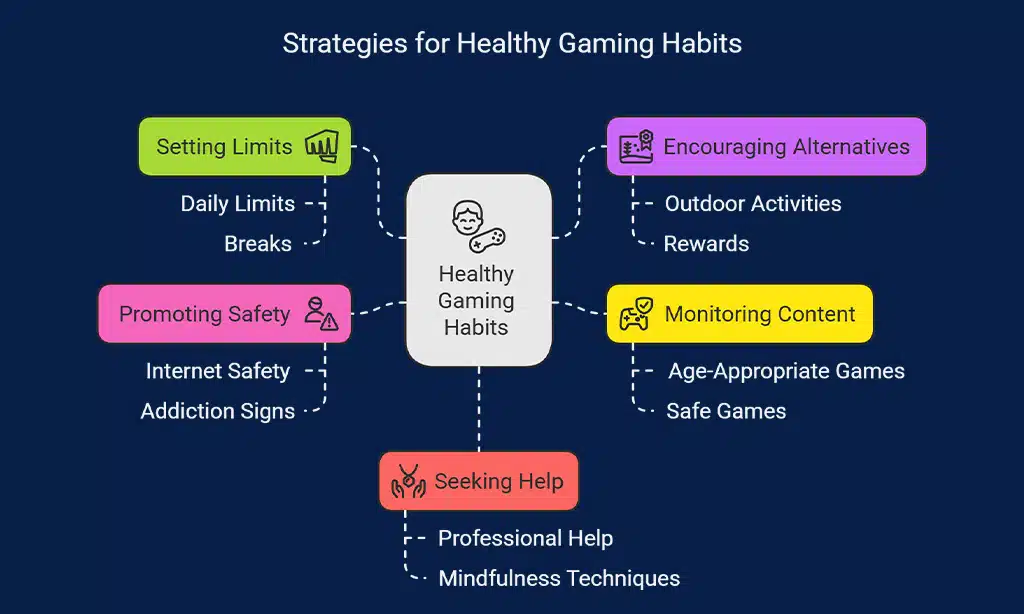
Parents play a big role in helping kids with healthy gaming habits. Clear rules and consistent actions can make a big difference.
- Set daily gaming limits. Keep screen time under two hours to prevent negative effects like poor sleep and eye strain.
- Encourage breaks every 30 minutes. This helps avoid repetitive stress injuries like carpal tunnel syndrome.
- Offer outdoor activities as fun alternatives. Sports or walking can reduce screen dependency and improve physical health.
- Use video games as rewards for completing chores or homework. This keeps priorities in check and prevents overuse.
- Monitor the types of games your child plays. Choose engaging but age-appropriate games that don’t promote violence.
- Play games together occasionally to bond and observe gaming behaviors firsthand, making it a shared experience.
- Teach kids about internet safety to protect them from online threats while playing multiplayer games.
- Watch for signs of addiction like mood swings, reduced interest in other activities, or poor grades.
- Promote mindfulness techniques to help kids manage emotions instead of relying on gaming as an escape.
- Seek professional help if emotional, mental health problems, or internet addiction arise due to excessive gaming habits.
Advantages of Maintaining Healthy Gaming Habits
Healthy gaming keeps your mind sharp. It prevents issues like eye strain, carpel tunnel syndrome, and poor sleep patterns. Limiting screen time improves focus and reduces the risk of mental health problems such as anxiety and depression.
Balanced gaming strengthens social connections. Playing games in moderation allows more time for family, friends, or physical activities. This balance boosts emotional well-being and builds self-worth while keeping video game addiction at bay.
Exploring the Positive Aspects of Controlled Gaming
Controlled gaming can improve problem-solving skills. Many video games challenge players to think critically and make quick decisions. This boosts mental flexibility and focus over time.
Playing games in moderation helps reduce stress. Some use gaming as a way to cope with negative emotions, giving their minds a short break. It can also strengthen social bonds when playing multiplayer games with friends or family, promoting teamwork and communication.
When to Seek Professional Help for Gaming Addiction
Struggling to stop gaming even when it causes harm might signal a problem. Missing work, skipping meals, or losing sleep from excessive screen time could mean it’s time for help.
Mental health symptoms like depression or anxiety linked to gaming addiction need attention too.
Cognitive behavioral therapy (CBT) can help break harmful habits. Speak with mental health professionals if gaming disrupts life, relationships, or emotions. Ignoring the issue may worsen negative consequences of gaming over time.
Takeaways
Gaming can be fun, but too much of it may harm your health. Setting time limits and finding other hobbies can help keep things balanced. Watching for warning signs of gaming addiction is key to staying in control.
Tools like therapy and mindfulness make managing habits easier. Healthy gaming improves focus, sleep, and mental well-being. A little effort goes a long way—play smart and stay happy!
FAQs
1. What is gaming addiction?
Gaming addiction, also called video game addiction or internet gaming disorder (IGD), happens when someone plays video games so much that it harms their life. It can affect mental health, relationships, and daily responsibilities.
2. How does the World Health Organization define gaming disorder?
The World Health Organization (WHO) includes gaming disorder in its International Classification of Diseases (ICD-11). It defines it as a pattern of behavior where playing video games takes over other activities despite negative consequences.
3. What causes video game addiction?
Video game addictions may be linked to social phobias, trauma, neuroticism, or even psychiatric disorders like ADHD. Emotional problems and behavioral health issues can also play a role.
4. Can too much screen time cause physical problems?
Yes! Long hours of screen time can lead to eye strain and conditions like “nintendinitis” or stenosing tenosynovitis from repetitive movements during gameplay.
5. How is gaming addiction treated?
Cognitive Behavioral Therapy (CBT) is often used to treat gaming disorders by helping people change harmful habits. Psychotherapy may also address underlying emotional or psychological problems.
6. Are there risks for kids who procrastinate with games instead of doing homework?
Absolutely! Problem gamers might struggle with focus and develop poor academic habits over time, which could lead to bigger issues like attention-deficit/hyperactivity disorder (ADHD) symptoms if not addressed early on.