The beauty industry is undergoing a major transformation, with sustainability taking center stage. Consumers are increasingly becoming more aware of the environmental impact of their beauty routines, demanding eco-friendly products that align with their values.
In response, many sustainable beauty brands leading the green revolution are emerging with a focus on ethical sourcing, clean ingredients, and eco-friendly packaging. These brands are not just offering beauty products; they are reshaping the industry with innovations that prioritize the planet’s health.
Sustainability in beauty is about much more than using natural ingredients or avoiding harmful chemicals. It’s a holistic approach that includes reducing carbon footprints, supporting fair labor practices, and using materials that don’t harm the environment.
As awareness grows and the demand for sustainable options increases, these green pioneers are setting new standards, proving that beauty can be both luxurious and responsible.
Why Sustainability is Critical in the Beauty Industry
Sustainability has become critical in the beauty industry for several reasons. Traditional beauty brands often contribute to environmental damage, from using toxic chemicals to relying on plastic packaging.
In fact, the global beauty industry is one of the largest contributors to waste and pollution. With beauty products being applied on the body daily and consumed in large quantities, the effects are far-reaching.
However, consumers are increasingly seeking products that do not harm the environment or their health. According to a 2023 report from McKinsey, nearly 70% of consumers now prefer to buy products that come from brands with strong environmental credentials.
This demand has driven many companies to rethink their business models, ensuring they prioritize sustainability across every facet of production, from ingredient sourcing to packaging materials.
In this context, sustainable beauty brands leading the green revolution are offering much-needed alternatives that not only promote self-care but also care for the planet.
The Rise of Eco-Friendly Beauty Products
Eco-friendly beauty products are no longer a niche category—they’ve become a mainstream movement. With an increasing awareness of climate change, pollution, and animal rights, consumers are demanding more sustainable options.
This trend has led to the rise of clean beauty, which prioritizes non-toxic ingredients, and green beauty, which emphasizes environmental responsibility.
Consumers are also becoming more informed about how the beauty industry impacts the planet. The use of harmful chemicals in beauty products has sparked an industry-wide conversation, with many beauty lovers opting for natural, clean alternatives.
Brands that incorporate ingredients like organic oils, plant-based extracts, and sustainably harvested botanicals are seeing increasing success. Moreover, these brands are addressing another growing concern: packaging waste. Many are now shifting toward recyclable, biodegradable, or reusable packaging, minimizing their environmental footprint.
The sustainable beauty brands leading the green revolution are demonstrating that it’s possible to create high-performance beauty products while staying true to eco-conscious values.
Consumer Demand for Sustainable Practices in Beauty
The demand for sustainable beauty practices is not just a passing trend; it’s a shift in consumer behavior. Today’s beauty consumers are more knowledgeable than ever, and they want transparency from the brands they support.
According to a report from the Global Data Consumer Insights, over 60% of beauty shoppers actively seek out products with eco-friendly or cruelty-free certifications. This growing demand has pushed the beauty industry to evolve rapidly, with companies now highlighting their sustainability efforts more than ever before.
As part of this change, many beauty brands have adopted practices like using renewable energy in their manufacturing, sourcing ingredients responsibly, and reducing waste. This shift is not only driven by consumer demand but also by a broader societal focus on environmental responsibility and ethical business practices. The rise of social media has also given consumers a platform to voice their opinions and hold brands accountable for their sustainability claims.
What Makes a Beauty Brand “Sustainable”?
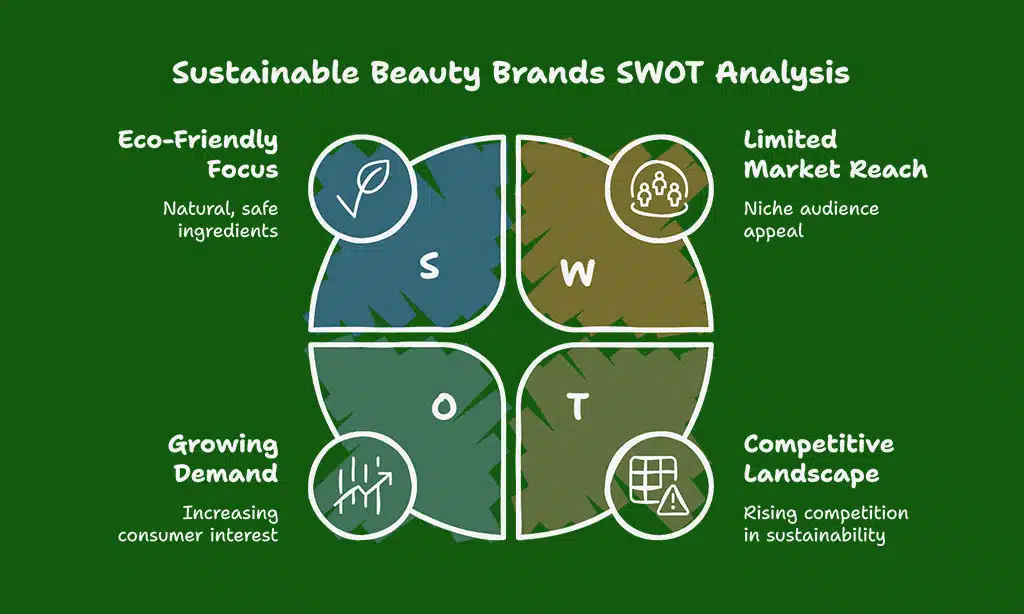
Sustainability is not just a marketing buzzword. It’s a comprehensive approach to doing business that involves the entire life cycle of a product. Let’s explore what makes a beauty brand truly sustainable and how brands are incorporating these principles into their operations.
Key Principles of Sustainable Beauty
- Eco-Friendly Ingredients: Sustainable beauty brands are increasingly sourcing ingredients from nature, using organic, non-toxic, and cruelty-free materials. This focus on eco-friendly ingredients ensures that products are not only safer for consumers but also for the environment. Brands often look for certified organic or fair-trade suppliers to ensure their ingredients are grown responsibly.
- Cruelty-Free Practices: Cruelty-free beauty brands ensure that their products are never tested on animals. These brands are certified by organizations like Leaping Bunny and PETA. Additionally, they are committed to offering vegan products that contain no animal-derived ingredients, ensuring that beauty is kind to all living beings.
- Carbon Neutrality and Packaging Innovations: Many sustainable beauty brands are working toward achieving carbon neutrality by reducing their carbon emissions and offsetting what they can’t eliminate. Additionally, they focus on using packaging that is recyclable, biodegradable, or reusable to reduce waste and minimize their environmental footprint.
The Role of Certifications in Sustainable Beauty Brands
Certifications help establish trust and transparency between brands and consumers. They serve as proof that a brand’s sustainability claims are not just marketing tactics but are backed by rigorous standards. Some key certifications to look for include:
- USDA Organic: Ensures that products contain 95% or more organic ingredients.
- Fair Trade Certified: Guarantees that workers are paid fairly and work in safe conditions.
- Leaping Bunny: Certifies that products and ingredients are not tested on animals.
- B Corp: Recognizes companies that meet high standards of social and environmental performance, accountability, and transparency.
The Top 10 Sustainable Beauty Brands Leading the Green Revolution
Let’s dive deeper into the brands that are truly transforming the beauty industry with their sustainable practices. These companies lead the way in creating products that are not only good for your skin but also for the planet.
1. Lush – Eco-Friendly and Ethical Beauty
Lush is a global leader in the sustainable beauty movement. The brand is well-known for its fresh, handmade products and ethical sourcing. Lush has been a vocal advocate for reducing plastic use, with many of its products packaged in recycled materials or not packaged at all. Their commitment to cruelty-free practices is evident in their strict “no animal testing” policy.
- Key Features: Handmade products, minimal packaging, cruelty-free.
- Sustainability Innovations: Lush has introduced initiatives like its naked packaging for haircare and bath products to reduce plastic waste.
- Notable Products: Bath bombs, facial cleansers, and hair conditioners.
| Product | Sustainability Features | Price Range |
| Bath Bombs | Recycled packaging, plant-based ingredients | $6 – $15 |
| Shampoo Bars | No plastic bottles, vegan and cruelty-free ingredients | $10 – $20 |
| Face Masks | Fresh, organic ingredients, minimal waste packaging | $12 – $25 |
2. RMS Beauty – Clean and Organic Skincare
RMS Beauty is a pioneer in clean beauty, offering a range of organic, non-toxic products that prioritize sustainability. Their commitment to minimal packaging and natural formulations has earned them a loyal following among eco-conscious beauty lovers.
- Key Features: 100% natural ingredients, recyclable packaging, cruelty-free.
- Sustainability Innovations: The brand uses recyclable glass packaging and minimizes waste by offering refills for many of its products.
- Notable Products: UnCover Up, Lip2Cheek, Living Luminizer.
| Product | Sustainability Features | Price Range |
| UnCover Up | Organic ingredients, refillable glass packaging | $36 |
| Lip2Cheek | Vegan, multi-use product, recyclable tin packaging | $40 |
| Living Luminizer | 100% organic ingredients, eco-friendly packaging | $38 |
3. Tata Harper – Luxury Natural Beauty
Tata Harper’s commitment to 100% natural, non-toxic skincare sets it apart in the luxury beauty market. Their products are formulated with sustainably sourced ingredients from their own farm, ensuring that their supply chain is ethical and environmentally responsible.
- Key Features: Organic, non-toxic ingredients, sustainable packaging.
- Sustainability Innovations: The brand uses recyclable glass and aluminum packaging, and they offer a refill program to reduce waste.
- Notable Products: Resurfacing Mask, Rejuvenating Serum.
| Product | Sustainability Features | Price Range |
| Resurfacing Mask | Organic ingredients, recyclable packaging | $65 |
| Rejuvenating Serum | 100% natural ingredients, eco-friendly packaging | $125 |
| Clarifying Cleanser | Vegan, cruelty-free, sustainable sourcing | $49 |
4. Aveda – Plant-Based Beauty
Aveda is a standout brand in the sustainable beauty space, known for its commitment to environmental sustainability and plant-based ingredients. Aveda also uses renewable energy in its manufacturing process and strives to reduce its carbon footprint.
- Key Features: Plant-based ingredients, renewable energy use, eco-friendly packaging.
- Sustainability Innovations: Aveda uses recycled plastic in its packaging and offers a refillable shampoo and conditioner system to reduce waste.
- Notable Products: Shampure Shampoo, Smooth Infusion Styling Cream.
| Product | Sustainability Features | Price Range |
| Shampure Shampoo | 100% recyclable packaging, plant-based ingredients | $25 |
| Smooth Infusion Cream | Cruelty-free, eco-friendly packaging | $30 |
| Nutriplenish Hair Oil | Vegan, sustainable packaging, organic ingredients | $38 |
5. Dr. Hauschka – Organic and Biodynamic Skincare

Dr. Hauschka has long been a pioneer in organic and biodynamic skincare. The brand focuses on providing high-quality, natural skincare products made with ingredients sourced from their own biodynamic gardens. Their commitment to sustainability is reflected not only in their ethical ingredient sourcing but also in their eco-friendly packaging and commitment to social responsibility.
- Key Features: Organic and biodynamic ingredients, recyclable packaging, fair trade partnerships.
- Sustainability Innovations: Dr. Hauschka’s production methods are energy-efficient and environmentally friendly. The brand also adheres to a strict no-waste policy in their packaging and shipping processes.
- Notable Products: Rose Day Cream, Cleansing Cream, and Regenerating Serum.
| Product | Sustainability Features | Price Range |
| Rose Day Cream | Organic and biodynamic ingredients, recyclable packaging | $50 |
| Cleansing Cream | Vegan, cruelty-free, eco-friendly packaging | $42 |
| Regenerating Serum | Natural, organic ingredients, fair trade sourcing | $120 |
6. Beautycounter – Safe and Transparent Beauty
Beautycounter has emerged as one of the most popular brands in the clean beauty movement, with a strong emphasis on ingredient safety and transparency. The brand has made it its mission to create safe products without compromising on luxury, and it is committed to eliminating harmful ingredients from its formulations. Beautycounter’s dedication to sustainability extends to its packaging, which is recyclable and made from eco-conscious materials.
- Key Features: Non-toxic ingredients, sustainable packaging, ethical sourcing.
- Sustainability Innovations: Beautycounter advocates for stronger regulations within the beauty industry to ensure safer products for consumers and the environment.
- Notable Products: Dew Skin Tinted Moisturizer, Counter+ All Bright C Serum.
| Product | Sustainability Features | Price Range |
| Dew Skin Tinted Moisturizer | Non-toxic, eco-friendly packaging | $42 |
| Counter+ All Bright C Serum | Vegan, cruelty-free, sustainably sourced ingredients | $69 |
| All-In-One Concealer | Recyclable packaging, safe ingredients | $32 |
7. Patagonia Beauty – Eco-Conscious Personal Care
Patagonia Beauty, an extension of the beloved eco-conscious apparel brand, takes a similarly eco-friendly approach to personal care. Their skincare line is powered by clean ingredients and packaged using recyclable materials. Patagonia Beauty also focuses on supporting environmental causes and initiatives with a portion of its profits, continuing the brand’s long-standing commitment to sustainability.
- Key Features: Plant-based ingredients, sustainable packaging, environmental advocacy.
- Sustainability Innovations: Patagonia Beauty uses ingredients that are sourced from regenerative agriculture, helping to restore soil health and reduce environmental impact.
- Notable Products: Patagonia Beauty Sunscreen, Face Cleanser, Lip Balm.
| Product | Sustainability Features | Price Range |
| Sunscreen | Reef-safe, biodegradable packaging, plant-based ingredients | $36 |
| Face Cleanser | Cruelty-free, sustainable sourcing | $30 |
| Lip Balm | Recyclable packaging, organic ingredients | $12 |
8. Herbivore Botanicals – Vegan and Cruelty-Free
Herbivore Botanicals has built its reputation as a brand that creates vegan, cruelty-free skincare products with a commitment to sustainability. Known for their minimalist approach, Herbivore focuses on high-quality natural ingredients that are both effective and gentle on the skin. The brand is also dedicated to using eco-friendly packaging materials such as glass jars and paper, which are fully recyclable.
- Key Features: Vegan, cruelty-free, recyclable packaging.
- Sustainability Innovations: Herbivore’s products are free from parabens, sulfates, and artificial colors, and they use glass packaging to reduce plastic waste.
- Notable Products: Jade Roller, Blue Tansy Resurfacing Clarity Mask.
| Product | Sustainability Features | Price Range |
| Jade Roller | Recyclable glass packaging, cruelty-free | $25 |
| Blue Tansy Resurfacing Mask | Vegan, sustainable packaging, natural ingredients | $48 |
| Prism Exfoliating Glow Mask | Eco-friendly packaging, no animal testing | $58 |
9. Burt’s Bees – Natural and Responsible Beauty
Burt’s Bees has been a household name in natural beauty for decades, and the brand’s commitment to sustainability has only grown over time. Known for its iconic lip balms and skincare products, Burt’s Bees uses ingredients that are responsibly sourced from nature, such as beeswax, honey, and botanical oils. They focus on using 100% recycled packaging and ensuring that all their products are biodegradable or recyclable.
- Key Features: Natural ingredients, responsible sourcing, recyclable packaging.
- Sustainability Innovations: Burt’s Bees has committed to being a zero-waste brand by 2030, reducing its plastic packaging, and investing in sustainable farming practices.
- Notable Products: Lip Balm, Intense Hydration Night Cream, Facial Wipes.
| Product | Sustainability Features | Price Range |
| Lip Balm | 100% recycled packaging, natural ingredients | $3 |
| Intense Hydration Night Cream | Eco-friendly packaging, responsibly sourced ingredients | $18 |
| Facial Wipes | 99% natural ingredients, biodegradable packaging | $6 |
10. Youth to the People – Superfood-Powered Beauty
Youth to the People incorporates superfoods into its skincare formulations, offering products that are not only good for the skin but also for the environment. Their focus on sustainable sourcing and eco-friendly packaging has made them a standout in the clean beauty movement. Youth to the People is known for using glass containers for most of their products, significantly reducing plastic waste.
- Key Features: Plant-based ingredients, eco-friendly packaging, vegan.
- Sustainability Innovations: The brand works with local farmers to source sustainable, organic ingredients and uses renewable energy in its production processes.
- Notable Products: Superfood Cleanser, Adaptogen Deep Moisture Cream, Peptide 360 Eye Cream.
| Product | Sustainability Features | Price Range |
| Superfood Cleanser | Vegan, recyclable glass packaging, superfood ingredients | $36 |
| Adaptogen Deep Moisture Cream | Eco-friendly packaging, natural and organic ingredients | $58 |
| Peptide 360 Eye Cream | Cruelty-free, plant-powered ingredients, sustainable sourcing | $58 |
How Consumers Can Support Sustainable Beauty Brands
Consumers play a key role in driving the beauty industry towards sustainability. By choosing products from eco-friendly brands, people not only benefit from healthier beauty products but also contribute to a broader environmental movement.
Here are a few practical steps consumers can take to support sustainable beauty:
- Prioritize Eco-Friendly Packaging: Choose brands that use recyclable, reusable, or biodegradable packaging.
- Check for Certifications: Look for beauty brands with third-party certifications like Leaping Bunny or USDA Organic to ensure the products meet high sustainability standards.
- Buy from Local, Ethical Brands: Supporting smaller brands that prioritize ethical sourcing and sustainable production methods helps reduce the environmental impact of the beauty industry.
Takeaways: The Future of Sustainable Beauty
The future of beauty lies in sustainability. As consumers increasingly demand ethical, eco-friendly, and clean beauty options, the beauty industry must adapt.
The sustainable beauty brands leading the green revolution are showing the way forward, proving that beauty can indeed be a force for good in the world. With innovations in ingredients, packaging, and production methods, these brands are setting new standards for what it means to be truly sustainable.
As we continue to embrace the green revolution, it’s clear that sustainability in beauty is not just a trend—it’s the future of the industry. The brands leading the charge are showing us that beauty doesn’t have to come at the cost of the planet. It’s possible to have it all: luxury, performance, and a cleaner, greener world.