

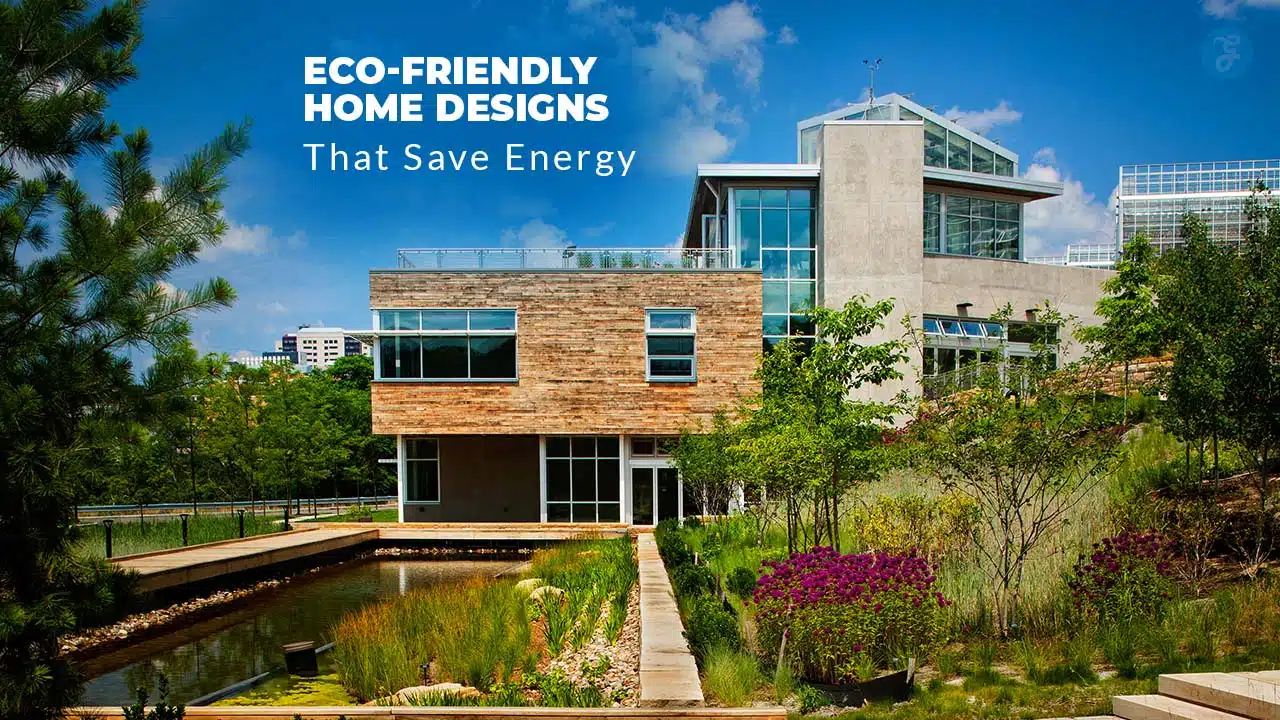
The shift towards sustainable living has brought eco-friendly home designs into the spotlight. These innovative designs not only help reduce energy consumption but also create healthier, more comfortable living spaces.
As energy costs continue to rise and environmental concerns grow, investing in Eco-Friendly Home Designs That Save Energy is both a practical and ethical choice.
This article highlights ten cutting-edge designs that are redefining energy-efficient living for 2025.
1. Passive Solar Home Design
Passive solar home designs are among the simplest yet most effective ways to harness renewable energy. By strategically utilizing sunlight, these homes significantly reduce the need for artificial heating and cooling systems.
What Is Passive Solar Design?
Passive solar design integrates architectural features to:
- Capture solar energy using south-facing windows during colder months.
- Store heat in thermal mass materials like concrete or brick.
- Prevent overheating with overhangs, blinds, or landscaping during summer.
Actionable Tips for Implementation
- Install energy-efficient, double-glazed windows to retain heat.
- Use light-colored curtains to reflect excess sunlight in summer.
- Ensure proper insulation to maintain consistent indoor temperatures.
Benefits of Passive Solar Design
- Saves up to 50% on heating costs annually.
- Reduces greenhouse gas emissions.
- Enhances natural lighting, cutting electricity usage.
| Feature | Function |
| South-Facing Windows | Maximizes solar energy absorption. |
| Thermal Mass Floors | Stores and releases heat as needed. |
| Overhangs and Shading | Blocks excess heat during peak summer. |
Real-Life Example: The Smith family in Colorado transformed their home using passive solar techniques, reducing their winter heating bills by 40% while enjoying brighter living spaces.
2. Net-Zero Energy Homes
Net-zero energy homes epitomize the future of sustainable living. These homes generate as much energy as they consume, often achieving independence from the power grid.
How Net-Zero Homes Work
Net-zero homes combine:
- Solar Panels and Wind Turbines: Generate renewable energy onsite.
- High-Performance Insulation: Keeps indoor temperatures stable.
- Energy Storage Solutions: Stores surplus energy for nighttime or cloudy days.
Actionable Tips for Achieving Net-Zero Energy
- Install smart meters to monitor real-time energy consumption.
- Use Energy Star-rated appliances to reduce electricity usage.
- Upgrade lighting systems with LED bulbs to cut energy costs.
Benefits of Net-Zero Energy Living
- Eliminates electricity bills.
- Enhances energy independence.
- Supports long-term environmental goals.
| Component | Energy Savings Potential |
| Solar Panels | Offsets up to 100% of energy consumption. |
| Insulated Doors and Windows | Prevents heat loss, saving 20% on energy. |
| Smart Home Systems | Optimizes energy use, saving an additional 15%. |
Case Study: A builder in Ontario, Canada, developed a net-zero housing community where residents save an average of $3,000 annually on utilities while enjoying carbon-neutral living.
3. Tiny Homes with Sustainable Features
Tiny homes are revolutionizing the concept of efficient living, offering compact spaces with minimal environmental impact. These homes often incorporate off-grid systems and sustainable materials.
Why Tiny Homes Are Energy-Efficient
- Smaller spaces require less heating and cooling energy.
- Compact designs reduce construction material waste.
- Often powered by renewable energy systems.
Top Eco-Friendly Features for Tiny Homes
- Composting Toilets: Eliminates water waste.
- Solar Panels: Provides energy independence.
- Rainwater Harvesting: Reduces reliance on municipal water systems.
| Feature | Sustainability Impact |
| Composting Toilets | Saves up to 6,000 gallons of water annually. |
| Recycled Materials | Cuts construction waste by 50%. |
| Energy-Efficient Windows | Lowers heating/cooling costs by 30%. |
Real-Life Example: A family in Oregon built a 250 sq. ft. home using entirely reclaimed wood and equipped it with solar panels, achieving 100% off-grid living.
4. Green Roof Homes
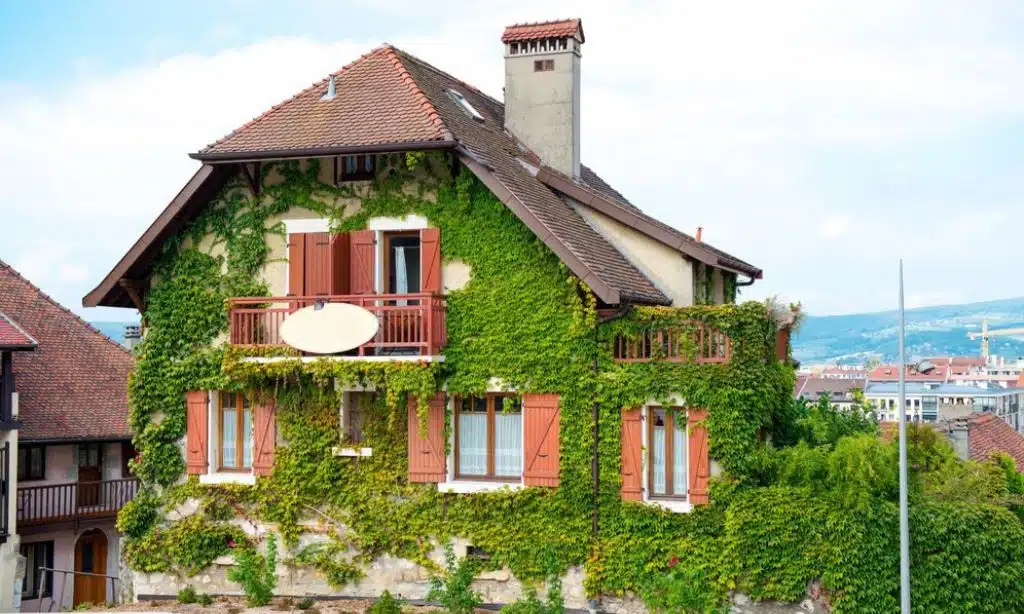
Green roofs are gaining popularity as a stylish and functional way to boost energy efficiency. By covering rooftops with vegetation, they provide natural insulation and improve urban air quality.
What Is a Green Roof?
Green roofs are categorized as:
- Extensive: Lightweight and low-maintenance, suitable for smaller homes.
- Intensive: Supports deeper soil layers and larger vegetation, ideal for urban farming.
Benefits of Green Roofs
- Regulates indoor temperatures, reducing heating and cooling needs.
- Reduces urban heat island effects.
- Captures and filters rainwater, easing stormwater management.
| Type | Best Use Case |
| Extensive Green Roof | Residential homes seeking low maintenance. |
| Intensive Green Roof | Larger spaces or urban agricultural projects. |
Pro Tip: Pair green roofs with solar panels for dual eco-benefits.
5. Smart Homes for Energy Efficiency
Smart homes use advanced technology to monitor and optimize energy consumption. These innovations not only save money but also simplify home management.
Key Features of Energy-Efficient Smart Homes
- Smart Thermostats: Automatically adjust heating and cooling based on user behavior.
- Energy Monitoring Systems: Track and analyze usage patterns.
- Automated Lighting: Motion-activated lights reduce energy waste.
| Device | Energy Savings |
| Smart Thermostats | Saves up to 25% on HVAC energy. |
| Motion-Sensing Lights | Cuts electricity use by 30%. |
| Smart Power Strips | Prevents phantom energy loss. |
Real-Life Example: A homeowner in San Francisco integrated smart energy systems into their 2,000 sq. ft. home, lowering energy bills by 35% annually.
6. Geothermal Heating and Cooling Systems
Geothermal systems tap into the Earth’s stable underground temperatures for efficient heating and cooling. This renewable technology is gaining traction for its reliability and sustainability.
How Geothermal Energy Works
- Transfers heat to/from the ground using a ground-source heat pump.
- Operates efficiently regardless of outdoor weather conditions.
Benefits of Geothermal Systems
- Cuts HVAC energy consumption by up to 60%.
- Offers long-term savings despite high upfront costs.
- Reduces carbon footprint significantly.
| Feature | Impact |
| Ground-Source Heat Pumps | Efficiently maintains consistent temperatures. |
| Underground Piping Systems | Transfers thermal energy effectively. |
Case Study: A rural Indiana family installed a geothermal system, cutting their energy costs by $2,500 annually while reducing their dependence on fossil fuels.
7. Recycled and Reclaimed Material Homes
Sustainable building materials are at the heart of eco-friendly homes. Using recycled and reclaimed materials reduces waste and conserves resources.
Popular Sustainable Materials
- Reclaimed Wood: Ideal for flooring, walls, and furniture.
- Recycled Steel: Provides strong structural support.
- Eco-Friendly Concrete: Incorporates industrial byproducts, reducing emissions.
| Material | Application |
| Reclaimed Wood | Flooring, cabinetry, and furniture. |
| Recycled Glass Tiles | Adds vibrant design to kitchens and bathrooms. |
| Recycled Plastic Panels | Durable and low-maintenance wall cladding. |
Real-Life Example: An architect in Austin, Texas, built an energy-efficient home using salvaged materials from local demolition sites, reducing construction costs by 20%.
8. Prefabricated Modular Eco Homes
Prefabricated homes offer a sustainable and cost-effective alternative to traditional construction. These homes are factory-built and assembled onsite, ensuring precision and minimal waste.
Advantages of Modular Eco Homes
- Speedy Construction: Reduces build time by 50% compared to traditional methods.
- Enhanced Energy Efficiency: Designed with optimal insulation and airtightness.
- Customizable Features: Easily integrates renewable energy systems.
| Feature | Eco-Friendly Advantage |
| Pre-Installed Solar Panels | Simplifies renewable energy adoption. |
| High-Performance Insulation | Minimizes heating and cooling losses. |
Pro Tip: Opt for modular homes certified by the Passive House Institute for maximum energy efficiency.
9. Off-Grid Homes
Off-grid homes are the ultimate expression of self-sufficiency, operating independently of public utilities. These homes are ideal for remote locations or sustainability enthusiasts.
Essential Features of Off-Grid Homes
- Renewable Energy Systems: Solar, wind, or hybrid systems.
- Water Catchment and Filtration Systems: Capture and purify rainwater.
- Energy Storage: Batteries store power for use during off-peak hours.
| Feature | Sustainability Benefit |
| Solar Arrays | Generates renewable energy onsite. |
| Composting Toilets | Eliminates water waste. |
| Greywater Systems | Reuses water for irrigation. |
Case Study: An Arizona couple achieved energy independence by installing a solar array and battery storage system, saving $5,000 annually in utility costs.
10. Homes with Energy-Efficient Appliances
Modern appliances are designed to use less energy without compromising performance. Upgrading to energy-efficient models is one of the easiest ways to reduce household energy consumption.
Must-Have Energy-Efficient Appliances
- Induction Stoves: Heat faster and use less electricity.
- Energy-Star Refrigerators: Consume 15-20% less energy than standard models.
- Heat Pump Dryers: Use up to 50% less energy than traditional dryers.
| Appliance | Energy Savings |
| Induction Cooktops | Cuts cooking energy usage by 40%. |
| Energy-Star Washers | Uses 25% less water and energy. |
| Smart Dishwashers | Optimizes water and power usage. |
Takeaway
Eco-friendly home designs are shaping the future of sustainable living. By adopting these Eco-Friendly Home Designs That Save Energy, you can reduce your carbon footprint, save on utility bills, and enjoy a healthier home environment.
Whether building from scratch or retrofitting an existing space, these designs offer endless possibilities.
Discover more sustainability insights at Editorialge, and take your first step towards a greener tomorrow.






















