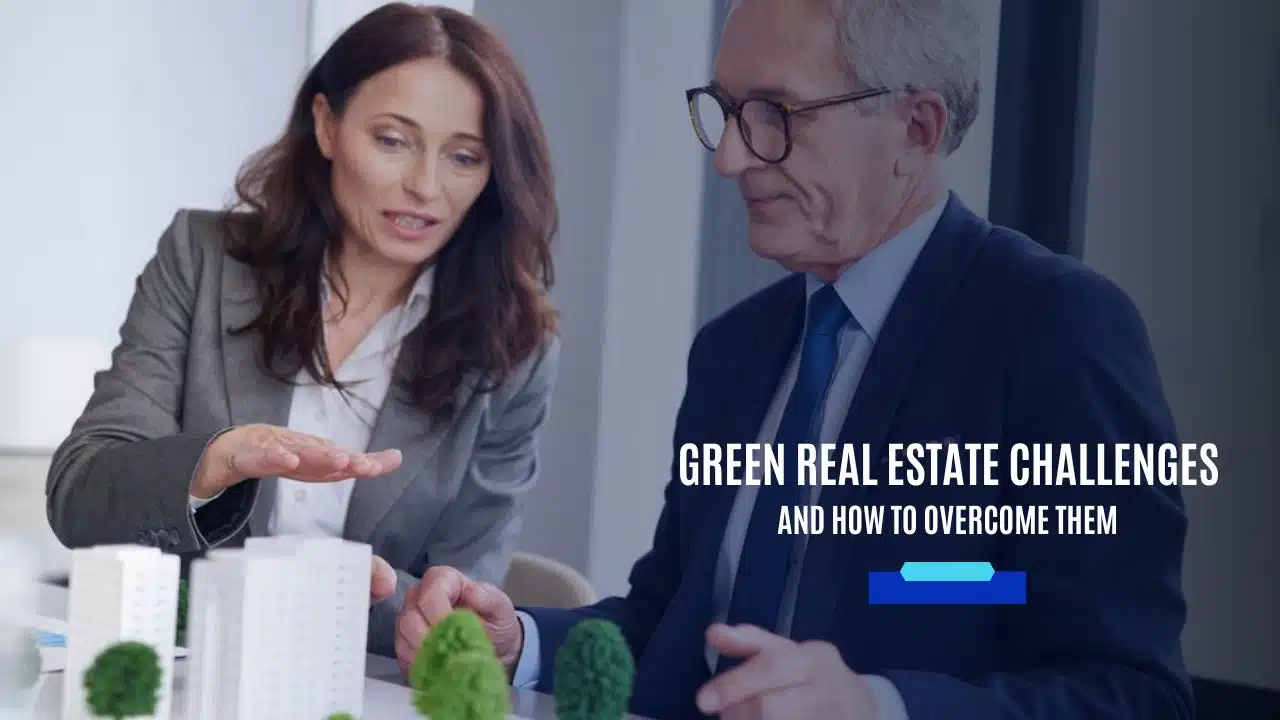
The real estate industry is undergoing a transformative shift toward sustainability, but the journey is not without hurdles. Green real estate, which prioritizes environmentally friendly construction and operation practices, offers immense benefits for the planet and stakeholders.
Yet, it comes with its own set of challenges. In this article, we delve deep into the challenges in green real estate and provide actionable solutions to overcome them.
What Is Green Real Estate?
Green real estate refers to properties designed, built, and operated with environmental sustainability as a core principle. These buildings often incorporate energy-efficient systems, sustainable materials, and innovative technologies to minimize their environmental footprint.
This approach aligns with a broader global push toward reducing carbon emissions and promoting eco-friendly lifestyles.
Why Green Real Estate Is the Future
As global warming intensifies, the demand for sustainable practices has skyrocketed. Green real estate aligns with international sustainability goals, such as the UN Sustainable Development Goals (SDGs), offering economic advantages like reduced energy costs and increased property value.
For stakeholders, investing in green real estate is not just an ethical choice—it’s a financially rewarding one. Moreover, governments and businesses are increasingly incentivizing green projects, creating a fertile ground for growth in this sector.
For instance, programs like the U.S. Green Building Council’s LEED certification have spurred innovation in green architecture.
The 8 Key Challenges in Green Real Estate

Let’s take a look!
1. High Initial Investment Costs
Modern consumers have heightened expectations when it comes to green properties, seeking features that balance environmental responsibility with advanced technology and comfort. From renewable energy sources to smart home integration and wellness-oriented designs, today’s buyers demand innovative solutions that often challenge developers.
Striking a balance between meeting these expectations and maintaining affordability is a delicate task, especially as the green real estate sector continues to evolve and mature.
Overcoming High Costs
- Government Subsidies: Take advantage of tax incentives and grants offered by governments to promote green construction.
- Cost-Effective Design: Adopt modular designs or use local, sustainable materials to cut costs without compromising quality.
- Public-Private Partnerships: Collaborate with governmental bodies or NGOs to share financial burdens.
| High-Cost Factors | Potential Solutions |
| Sustainable Materials | Utilize local and recycled resources |
| Certification Expenses | Leverage bulk certifications or simplified processes |
| Advanced Technology | Implement scalable, modular green tech |
2. Limited Availability of Sustainable Materials
The scarcity of eco-friendly construction materials can hinder green projects. The supply chain for materials like bamboo, recycled steel, or low-carbon concrete is often inconsistent and region-specific. This limitation not only increases costs but also delays project timelines.
Solutions to Material Shortages
- Innovative Alternatives: Explore materials like hempcrete, mycelium, or recycled plastics.
- Local Sourcing: Prioritize locally available resources to reduce transportation costs and emissions.
- Invest in Research: Developers can partner with universities or tech startups to innovate and expand sustainable material options.
| Material Challenge | Innovative Solutions |
| Bamboo Shortages | Investigate fast-growing local species |
| Recycled Steel Supply Gaps | Partner with recycling initiatives |
| Low-Carbon Concrete Costs | Develop low-cost production techniques |
3. Knowledge Gap Among Stakeholders
The Challenge
Many architects, developers, and real estate agents lack in-depth knowledge about sustainable practices, making it challenging to implement green real estate projects effectively. Additionally, buyers often misunderstand the long-term benefits of green buildings, perceiving them as prohibitively expensive.
Bridging the Knowledge Gap
- Training Programs: Conduct workshops and certifications for stakeholders.
- Simplify Certification Processes: Streamline the criteria for green certifications to make them more accessible.
- Public Awareness Campaigns: Educate consumers on the economic and environmental advantages of green buildings.
| Knowledge Gaps | Proposed Solutions |
| Developer Expertise | Offer green building certifications |
| Buyer Misconceptions | Highlight ROI through marketing campaigns |
| Lack of Training Programs | Partner with educational institutions |
4. Resistance to Change in the Market
The Challenge
Conservative market players often resist adopting new technologies or practices due to perceived risks and uncertainty about returns on investment. This reluctance slows down the adoption of green real estate practices, particularly in traditional markets.
Driving Market Adoption
- Case Studies: Share success stories of profitable green real estate projects.
- Long-Term ROI: Highlight the reduced operational costs and increased property values of sustainable buildings.
- Incentives for Early Adopters: Provide rewards or recognition for businesses leading in sustainability.
| Resistance Reasons | Market Strategies |
| Fear of High Costs | Showcase case studies of cost savings |
| ROI Uncertainty | Provide detailed financial projections |
| Technology Hesitancy | Host demonstration events |
Example: A notable example is the Edge building in Amsterdam, considered one of the greenest and smartest office buildings globally. By using IoT and renewable energy systems, it achieved 70% energy efficiency.
5. Regulatory and Policy Challenges
The Challenge
Inconsistent or complex regulations across regions make it difficult for developers to navigate the legal landscape of green construction. Approval processes for sustainable projects can be slow and bureaucratic, discouraging developers.
- Standardized Policies: Advocate for uniform regulations that simplify compliance.
- Expert Consultations: Employ legal experts who specialize in environmental policies.
- Engage Policymakers: Collaborate with government officials to create more developer-friendly green policies.
| Regulatory Challenge | Solution Pathways |
| Inconsistent Rules | Advocate for policy standardization |
| Approval Delays | Use legal expertise to expedite processes |
| Complex Compliance | Simplify with digital tools and platforms |
6. Limited Financing Options for Green Projects

The Challenge
Traditional financing institutions often hesitate to fund green real estate projects due to higher perceived risks or unfamiliarity with the sector. This limits the scalability of green initiatives.
Expanding Financing Opportunities
- Green Bonds: Utilize sustainable finance instruments that attract eco-conscious investors.
- Specialized Loans: Seek out banks offering green loans tailored to sustainable projects.
- Partnerships: Collaborate with ESG-focused investment funds.
| Financial Barriers | Available Solutions |
| Lack of Traditional Support | Leverage green-specific loans |
| High Perceived Risk | Educate lenders with market data |
| Limited Investment Options | Expand through green bonds |
7. Energy Efficiency Challenges in Older Buildings
The Challenge
Retrofitting existing buildings to meet green standards can be expensive and logistically challenging. Issues like outdated infrastructure or limited access to modern technology exacerbate the problem.
Solutions for Older Buildings
- Retrofitting Technologies: Use solutions like solar panels, energy-efficient HVAC systems, and smart meters.
- Government Incentives: Leverage financial aid for retrofitting projects.
- Phased Implementation: Upgrade buildings in stages to manage costs effectively.
| Retrofitting Challenge | Retrofitting Solution |
| Outdated Infrastructure | Introduce smart building technologies |
| High Costs | Secure government subsidies |
| Logistical Constraints | Implement phased upgrade strategies |
8. Meeting Evolving Consumer Expectations
The Challenge
Modern consumers expect green buildings to incorporate smart technologies, renewable energy sources, and wellness-focused designs. Balancing these demands with affordability is a significant hurdle.
Staying Ahead of Consumer Trends
- Smart Features: Incorporate IoT devices for energy monitoring and automation.
- Transparent Practices: Clearly communicate the building’s green credentials and certifications.
- Affordable Innovation: Use cost-effective yet impactful green technologies.
| Consumer Expectation | Proactive Measures |
| Smart Technology | Integrate IoT systems |
| Renewable Energy Sources | Use solar and wind power options |
| Wellness-Oriented Design | Focus on natural lighting and ventilation |
The Future of Green Real Estate
Emerging Trends to Watch
- Net-Zero Buildings: Properties that generate as much energy as they consume are becoming more common.
- Regenerative Design: Buildings that positively impact the environment through practices like carbon sequestration.
- Circular Economy Practices: Emphasizing recycling and reusing materials in construction.
Long-Term Benefits for Stakeholders
- For Developers: Higher property value and stronger market reputation.
- For Investors: Reliable returns through reduced operating costs.
- For Tenants: Healthier living spaces with lower utility bills.
Interactive Elements
| Challenge | Solution |
| High Initial Costs | Government subsidies, cost-effective design |
| Limited Material Availability | Local sourcing, innovative alternatives |
| Knowledge Gaps | Training programs, simplified certifications |
| Resistance to Change | Case studies, long-term ROI data |
| Regulatory Challenges | Expert consultations, standardized policies |
| Limited Financing | Green bonds, ESG partnerships |
| Retrofitting Older Buildings | Phased upgrades, retrofitting technologies |
| Consumer Expectations | Smart features, affordable innovation |
Takeaway
Overcoming the challenges in green real estate requires collective effort from developers, investors, policymakers, and consumers. By addressing high costs, knowledge gaps, and regulatory barriers, the industry can unlock its full potential.
Investing in green real estate is not only a step toward a sustainable future but also a smart financial move for all stakeholders.
As the world moves toward sustainability, green real estate will become a cornerstone of responsible living. Embrace the challenges, innovate solutions, and lead the change—because the future depends on it.