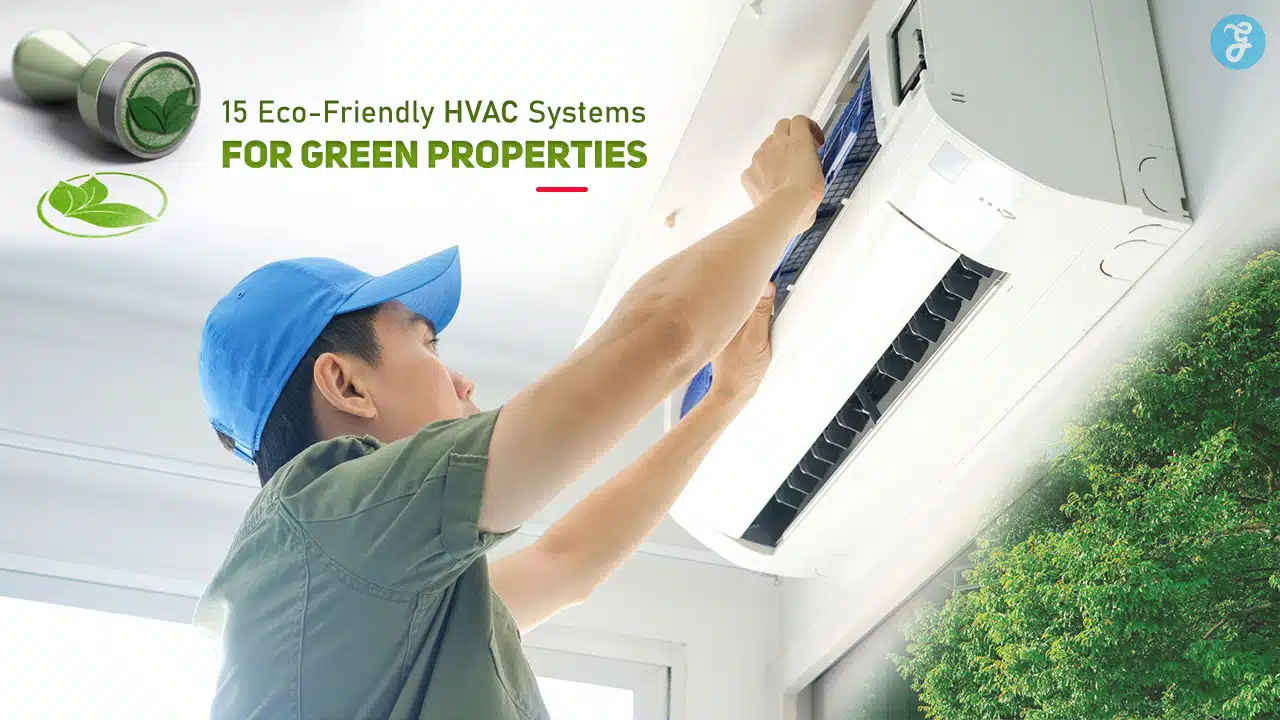
In an era where sustainability and energy efficiency are top priorities, the HVAC (Heating, Ventilation, and Air Conditioning) industry has stepped up to deliver eco-friendly solutions for residential, commercial, and industrial properties.
Green HVAC systems not only reduce carbon footprints but also cut down energy bills, making them a win-win for the environment and your wallet.
This comprehensive guide delves into 15 innovative eco-friendly HVAC systems designed for green properties. Whether you’re upgrading your current system or building a sustainable property from scratch, these solutions will help you achieve optimal energy efficiency and environmental responsibility.
1. Geothermal Heat Pumps (GHPs)
How They Work
Geothermal heat pumps utilize the Earth’s stable underground temperature to heat and cool your property. The system circulates water or refrigerant through underground pipes, exchanging heat with the Earth.
Key Benefits
- Reduces energy consumption by up to 70%.
- Long lifespan of 20+ years for the system and 50+ years for underground pipes.
- Minimal greenhouse gas emissions.
Best For
- Residential and commercial properties with available land for underground loops.
Pro Tip: Although the upfront cost is high, tax incentives and energy savings make it cost-effective in the long run.
2. Solar-Assisted HVAC Systems
How They Work
Solar-assisted HVAC systems integrate solar panels to power heating, cooling, and ventilation. They store excess energy in batteries for use during peak demand.
Key Benefits
- Reduces reliance on fossil fuels.
- Significant savings on electricity bills.
- Works seamlessly with existing HVAC systems.
Best For
- Properties in regions with abundant sunlight.
Pro Tip: Combine solar HVAC systems with energy-efficient insulation to maximize benefits.
3. Variable Refrigerant Flow (VRF) Systems
How They Work
VRF systems provide precise temperature control by using refrigerant as the primary medium for heating and cooling. They can simultaneously heat and cool different zones in a property.
Key Benefits
- Highly energy-efficient.
- Ideal for properties with varying temperature needs.
- Quiet operation.
Best For
- Multi-zone commercial and residential properties.
Pro Tip: Regular maintenance ensures peak efficiency and prolongs the system’s lifespan.
4. Energy Recovery Ventilators (ERVs)
How They Work
ERVs exchange stale indoor air with fresh outdoor air while recovering energy from outgoing air to pre-condition the incoming air.
Key Benefits
- Improves indoor air quality.
- Reduces energy loss associated with ventilation.
- Balances humidity levels.
Best For
- Properties in extreme climates needing consistent ventilation.
Pro Tip: Pair ERVs with other HVAC systems for an integrated approach to energy efficiency.
5. Smart HVAC Systems
How They Work
Smart HVAC systems use IoT (Internet of Things) technology to monitor and optimize energy use. Connected thermostats adjust heating and cooling based on occupancy and weather conditions.
Key Benefits
- Reduces energy waste by up to 30%.
- Provides remote control and monitoring via smartphone apps.
- Offers detailed energy usage reports.
Best For
- Tech-savvy homeowners and businesses aiming for smart energy management.
Pro Tip: Look for systems compatible with renewable energy sources for added sustainability.
6. Ductless Mini-Split Systems
How They Work
Ductless mini-split systems provide heating and cooling to individual rooms without the need for ductwork. Each unit has its own thermostat for zoned control.
Key Benefits
- Avoids energy loss through ducts.
- Easy to install and maintain.
- Highly customizable for different zones.
Best For
- Older properties without existing ductwork or spaces with unique heating/cooling needs.
Pro Tip: Use energy-efficient models with inverter technology for optimal performance.
7. Hydronic Heating Systems
How They Work
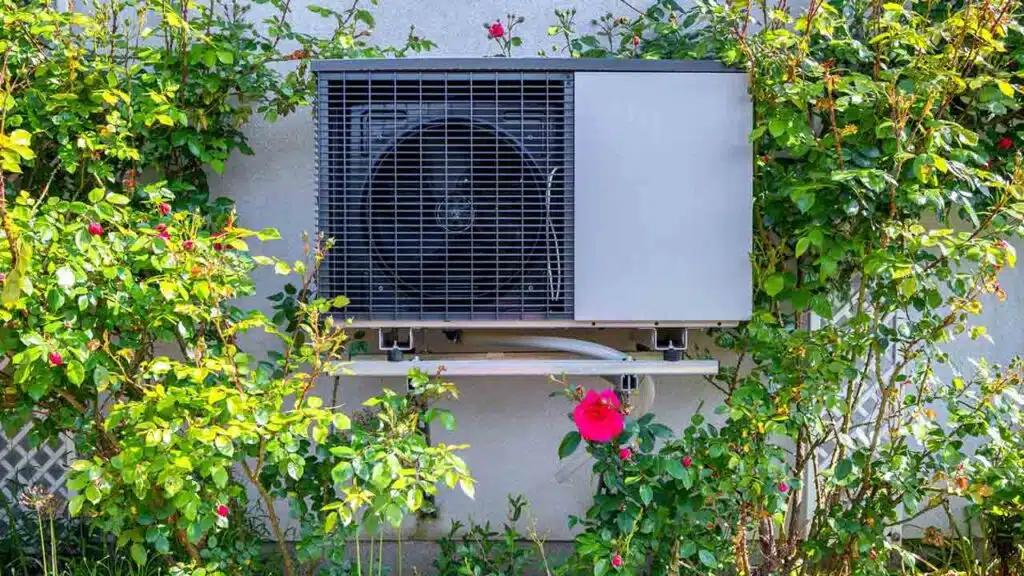
Hydronic systems circulate hot water through pipes to radiators or underfloor heating systems, providing efficient and even heating.
Key Benefits
- Uses less energy compared to forced-air systems.
- Silent operation.
- Provides consistent and comfortable heating.
Best For
- Cold climates and properties focused on energy-efficient heating.
Pro Tip: Combine with solar water heating for an eco-friendlier solution.
8. Hybrid HVAC Systems
How They Work
Hybrid systems combine traditional HVAC systems with renewable energy solutions like heat pumps and solar panels to optimize energy efficiency.
Key Benefits
- Automatically switches between energy sources for cost and efficiency optimization.
- Reduces dependence on non-renewable energy.
- Flexible and adaptable to different climates.
Best For
- Properties with fluctuating heating and cooling needs.
Pro Tip: Regularly update software to ensure efficient energy source switching.
9. Biomass Heating Systems
How They Work
Biomass heating systems burn organic materials like wood pellets, chips, or agricultural waste to produce heat.
Key Benefits
- Carbon-neutral as it uses renewable organic materials.
- Cost-effective for properties in rural areas.
- Reduces dependence on fossil fuels.
Best For
- Rural properties and off-grid homes.
Pro Tip: Ensure a steady supply of biomass fuel for uninterrupted operation.
10. Ice-Powered Air Conditioning Systems
How They Work
These systems use stored ice to cool buildings during peak demand hours. Ice is made during off-peak hours, reducing energy costs.
Key Benefits
- Cuts electricity use during peak hours.
- Reduces cooling costs in hot climates.
- Eco-friendly alternative to traditional air conditioning.
Best For
- Commercial buildings with high cooling demands.
Pro Tip: Combine with renewable energy sources for maximum sustainability.
11. Radiant Floor Heating Systems
How They Work
Radiant floor systems heat spaces from the ground up, using hot water or electric coils beneath the flooring.
Key Benefits
- Even and efficient heating.
- Compatible with renewable energy sources.
- Improves indoor air quality by reducing dust circulation.
Best For
- Modern homes and properties in cooler climates.
12. High-Efficiency HVAC Filters
How They Work
These filters improve air quality while reducing energy consumption by preventing debris build-up in HVAC systems.
Key Benefits
- Enhances system efficiency.
- Reduces maintenance costs.
- Improves indoor air quality.
Best For
- Residential and commercial properties prioritizing air quality.
13. Advanced Heat Recovery Systems
How They Work
Heat recovery systems capture and reuse waste heat from HVAC systems, improving overall efficiency.
Key Benefits
- Reduces energy waste.
- Lowers operational costs for large properties.
- Extends the lifespan of HVAC components.
Best For
- Commercial properties and industrial facilities.
14. Evaporative Cooling Systems
How They Work
Evaporative coolers lower indoor temperatures by drawing warm air through water-saturated pads.
Key Benefits
- Uses 75% less energy than traditional air conditioning.
- Environmentally friendly with no chemical refrigerants.
- Provides natural and comfortable cooling.
Best For
- Hot and dry climates.
15. Zoned HVAC Systems
How They Work
Zoned systems divide a property into sections, allowing independent temperature control for each area.
Key Benefits
- Reduces energy waste by heating/cooling only occupied zones.
- Increases comfort with personalized temperature control.
- Compatible with smart thermostats for automation.
Best For
- Large properties with multiple rooms or zones.
Conclusion
Eco-friendly HVAC systems are transforming how properties achieve sustainable heating, cooling, and ventilation.
These 15 innovative solutions cater to various needs, from residential homes to large commercial spaces, ensuring that energy efficiency and environmental responsibility go hand in hand.
Investing in green HVAC systems not only lowers utility bills but also contributes to global efforts in reducing carbon emissions. Choose a system that aligns with your property’s needs and sustainability goals, and take a step toward a greener future today.