

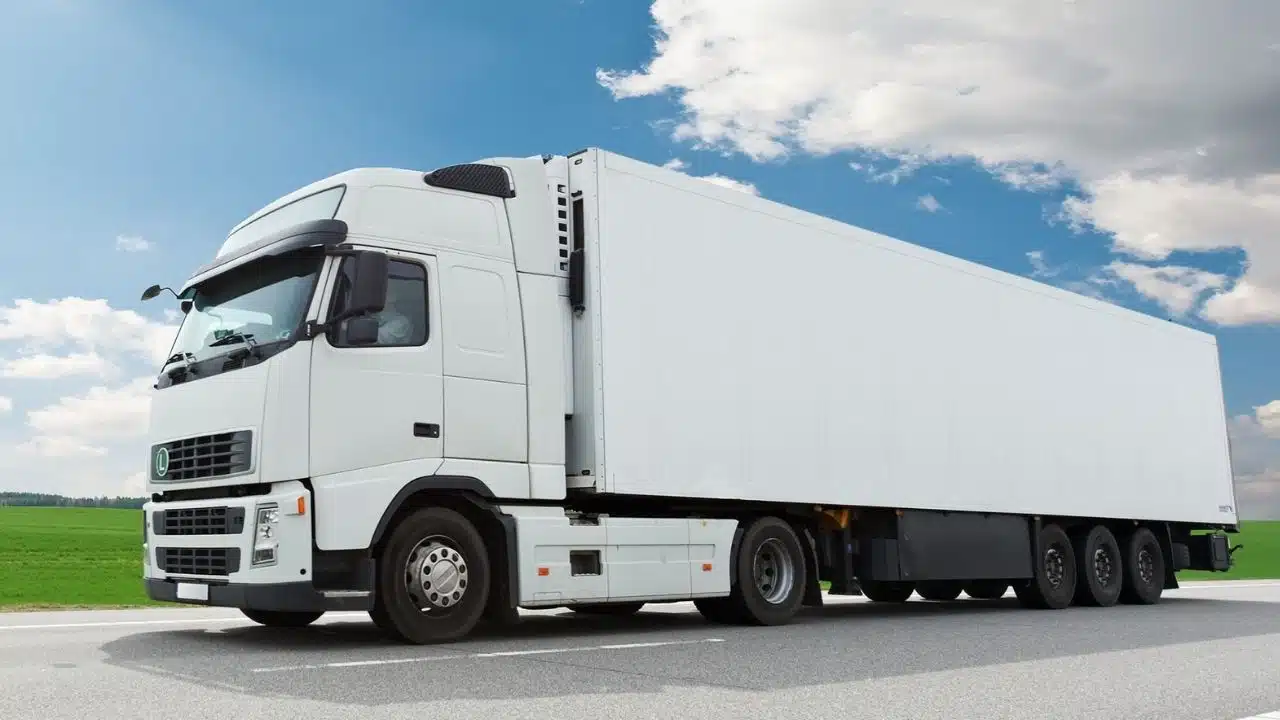
Many businesses find themselves facing chaos due to seasonality in their business. Whether it’s overflowing inventory, shipment delays, crowded loading docks, or something else, traditional storage and transportation infrastructures can’t flex upwards fast enough to handle surges. This is why finding semi trailers for rent can often be beneficial.
Flexible trailer leasing is a cost-effective, fast, and scalable solution that can assist your business with its seasonality. Whether that means maintaining business continuity, assisting with inventory spikes, or just remaining agile during peak periods, learn everything you need to know about the benefits of trailer leasing.
What Is Seasonal and Surge Demand?
Understanding why trailer leasing may be beneficial starts with looking at why it may be necessary in the first place. For those unfamiliar with seasonal or surge demand, it is specific times of the year, often tied to peak business cycles or holidays, weather, harvest times, and more, which bolster sales. Common examples of seasonal surges include retail during the fourth quarter of the year, home improvement purchases in the spring and summer, and the agriculture industry in the fall.
As a result of seasonal surges in demand, inventory surges also occur. This is characterized by sudden and often unexpected increases in product volume, often from supply chain delays, marketing campaigns, or market trends.
The problem businesses face with seasonality and utilizing fixed infrastructure, though, is that warehouses are expensive and inflexible. Transport assets like owned trailers may also sit idle during the off-season, which can unnecessarily drain your budget too.
Why Trailer Leasing Is a Smart Solution
Rather than making use of fixed assets that drain your budget over time, leaning towards an option like trailer leasing can be a smart choice. This offers scalable capacity without a long-term commitment. You only need to lease trailers as you need them, whether that be monthly, seasonally, or project-based. You can also adjust the size of the fleet in real-time based on curves in demand.
On top of this benefit, you can also enjoy bolstered CapEx and OpEx advantages. There won’t be a need to invest in purchasing trailers that you would otherwise only use for a few months. Leasing ends up being a predictable operating expense, making it easier to set a budget.
Additionally, leasing trailers means that they will be delivered to your site quickly without the need for lengthy approvals or purchase processes. This is ideal for time-sensitive surges where, by the time approval comes, the surge is already over.
How Businesses Use Leased Trailers During Peak Periods
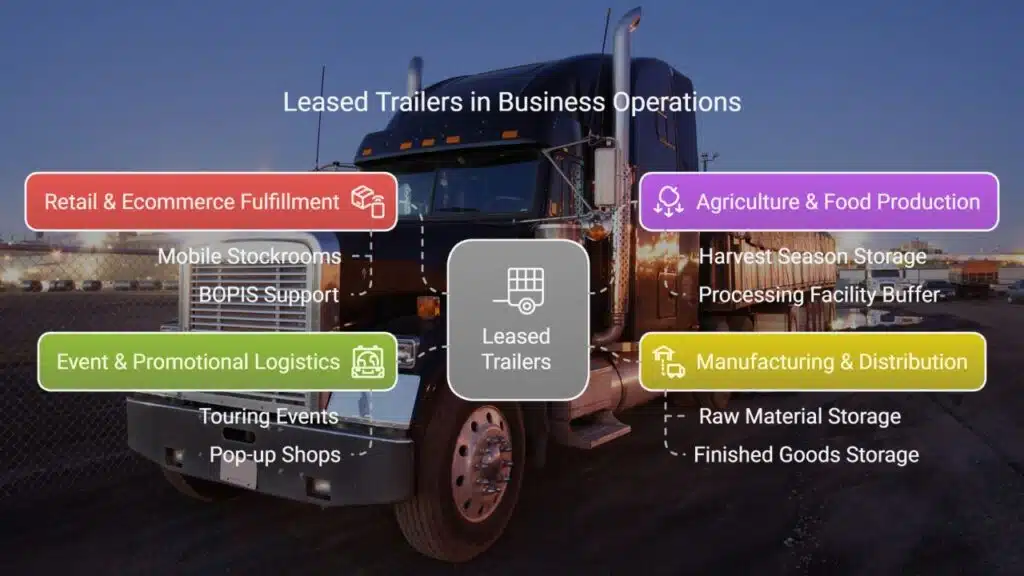
Understanding how businesses can make use of leased trailers during peak periods starts by looking at the four common industries that utilize them the most:
- Retail & Ecommerce Fulfillment: Use trailers as mobile stockrooms behind stores or distribution centers, as well as stage trailers to support buy-online-pick-up-in-store (BOPIS) models.
- Agriculture & Food Production: Lease trailers for temporary cold storage during harvest season or to buffer storage at processing facilities.
- Manufacturing & Distribution: These companies store raw materials or finished goods off-dock, and use trailers to bridge gaps during warehouse expansions or relocations.
- Event & Promotional Logistics: Support touring events, pop-up shops, or seasonal construction with portable storage and transport.
Even if your industry doesn’t align with one of the ones above, you can use leased trailers in a similar way to bolster business functions.
Operational Benefits Beyond Storage
Beyond just the reduced costs, there are some additional operational benefits that your company can enjoy from utilizing leased trailers. The most prominent of these include:
- Reduced dock congestion as drop trailers reduce wait times and improve loading/unloading flow.
- Shippers can pre-load inventory and stage trailers for pickup.
- Improved inventory control by keeping surge inventory separate from core warehouse stock.
- Easier tracking and rotation of high-turnover products.
- Ability for strategic deployment by parking trailers where demand is rising, thus closer to regional distribution points or customer zones.
- Enables flexible regional fulfillment without investing in new buildings.
All of the above benefits can come with their own unique cost savings and perks as well, which makes them all the more important. Consider adding leased trailers to your fleet to reap some of these benefits, but be sure to mix them in with your current fleet sporadically, rather than trying to adjust operations all at once.
How to Choose the Right Trailer Leasing Partner
When thinking about the best fleet provider for leased trailers, you need to consider a variety of factors. First and foremost, look for providers that have a wide variety of fleet options, including dry vans, reefers, flatbeds, and other trailer types. You should also consider the proximity of a provider to your location, as it will impact how quickly they can deliver trailers.
Don’t overlook the importance of the terms of a lease either. Having month-to-month options, scalable plans, and low upfront costs can give you more flexibility during the peak season, too. Also consider the maintenance and support offered by the lessor. For example, think about who is handling repairs on the leased trailers and whether or not they come inspected and ready to go. You’ll also want a partner who understands regional logistics, as they can make tailored recommendations for your needs. This will be particularly helpful for organizations that have just relocated to a new market or are altogether unfamiliar with the area they are conducting business within.
Find the right trailer for your needs
Seasonal and surge demand aren’t ever going to go away, which means your business needs flexible logistics strategies in order to keep up. Trailer leasing provides immediate, affordable, and scalable relief during the peak seasons, making it not just a competitive edge but a necessity. Evaluate your upcoming seasonal needs and consider flexible leasing options to stay ahead of the curve. This will help you combat the competition while also appeasing all of your customers’ demand at the same time.






















