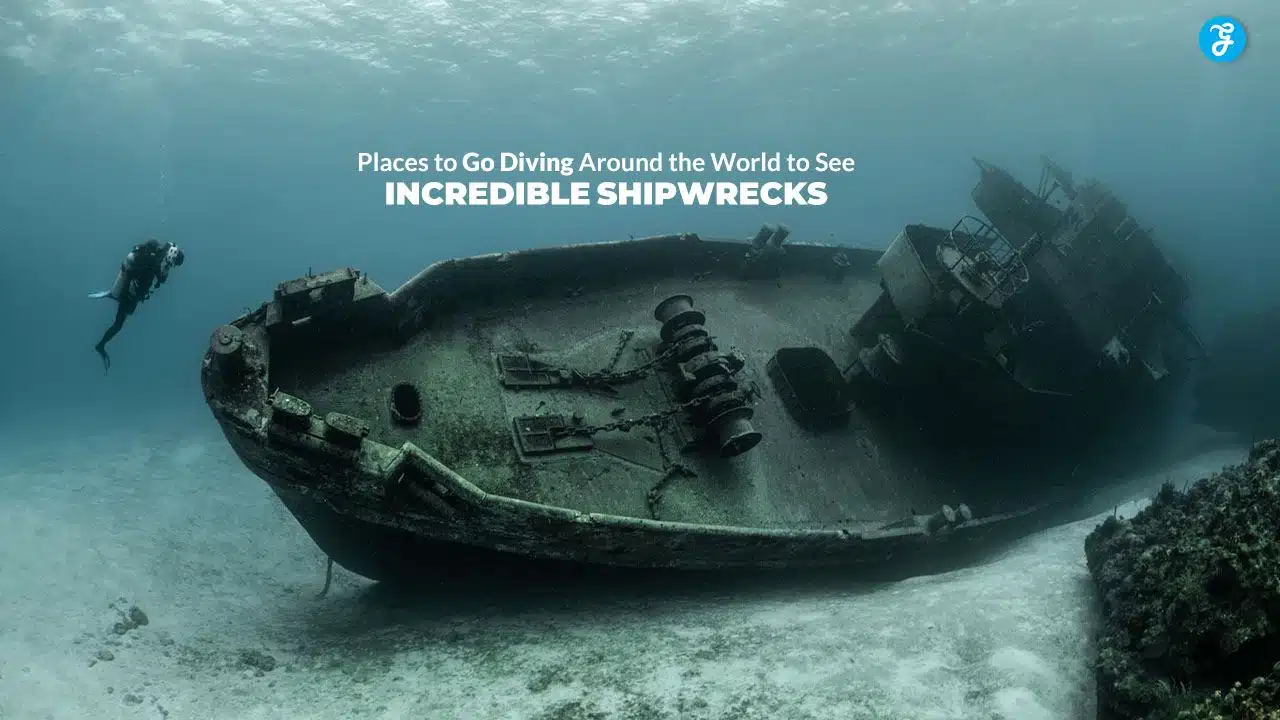
The silent world beneath the waves holds countless stories of maritime history. Shipwrecks serve as time capsules, preserving moments of triumph and tragedy while creating artificial reefs that support vibrant marine ecosystems. Let’s dive into the world’s most incredible shipwreck sites, where history meets adventure beneath the waves. We’ll show you exactly where to go, what you’ll see, and everything you need to know to plan your next underwater expedition.
World’s Top Shipwreck Diving Destinations
| Location | Best Season | Water Temp | Cost Per Dive | Certification Level | Average Visibility | Depth Range | What Makes It Special |
|---|---|---|---|---|---|---|---|
| Truk Lagoon, Micronesia | Dec-April | 82°F/28°C | $150-200 | Advanced | 50-100 ft | 60-120 ft | Largest WWII wreck collection, 60+ ships |
| Scapa Flow, Scotland | May-Sept | 46-54°F/8-12°C | $100-150 | Advanced | 20-50 ft | 80-120 ft | WWI German fleet, 7 major warships |
| SS Thistlegorm, Red Sea | Mar-Nov | 73-84°F/23-29°C | $50-100 | Intermediate | 60-100 ft | 50-100 ft | Intact WWII cargo including vehicles |
| USS Oriskany, Florida | Apr-Oct | 75-85°F/24-29°C | $100-150 | Advanced | 50-100+ ft | 70-212 ft | World’s largest artificial reef |
| USAT Liberty, Bali | Apr-Nov | 77-86°F/25-30°C | $40-80 | All levels | 30-60 ft | 10-90 ft | Easy shore access, perfect for beginners |
| HMS Victoria, Lebanon | May-Oct | 68-77°F/20-25°C | $150-200 | Technical | 30-80 ft | 150+ ft | Unique vertical wreck position |
| SS Yongala, Australia | Jun-Sept | 68-84°F/20-29°C | $150-200 | Advanced | 30-100 ft | 60-100 ft | Incredible marine life diversity |
| Fujikawa Maru, Micronesia | Dec-April | 82°F/28°C | $150-200 | Intermediate | 50-100 ft | 30-120 ft | Well-preserved WWII cargo ship |
| Umbria, Sudan | Oct-May | 75-84°F/24-29°C | $120-170 | Intermediate | 60-100 ft | 15-125 ft | Intact WWII ammunition ship |
| Bianca C, Grenada | Year-round | 75-85°F/24-29°C | $80-130 | Advanced | 40-100 ft | 100-165 ft | Caribbean’s largest shipwreck |
1. Truk Lagoon, Micronesia: The Ultimate Wreck Diver’s Paradise
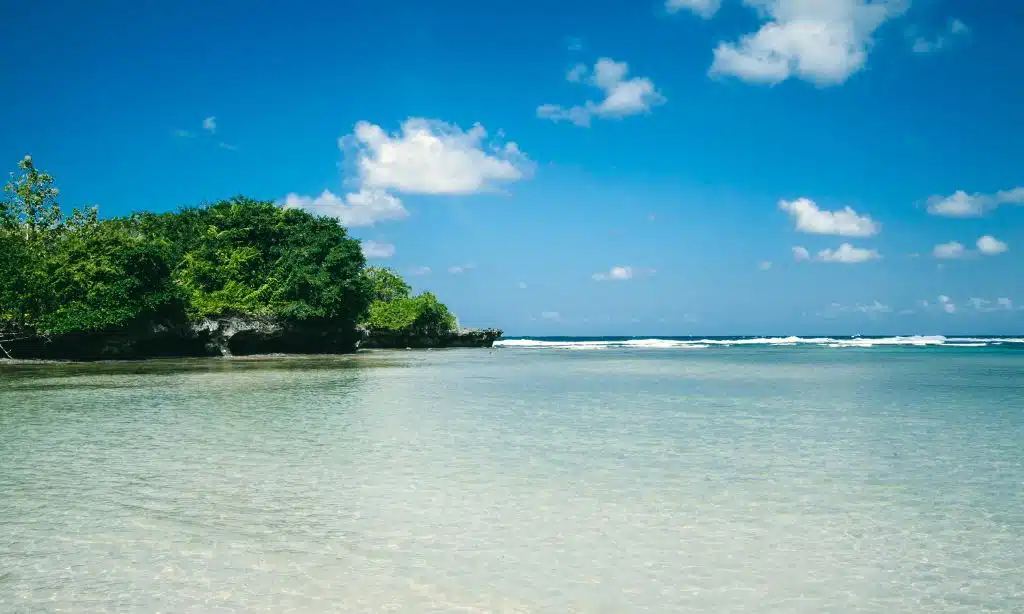
Imagine an entire Japanese fleet frozen in time underwater. That’s Truk Lagoon for you. During Operation Hailstone in 1944, American forces sank over 60 Japanese ships here, creating what divers now call “the world’s biggest underwater museum.”
What You’ll See:
- Fujikawa Maru: Still packed with fighter planes
- Nippo Maru: Complete with tanks on deck
- San Francisco Maru: “Million Dollar Wreck” with rows of tanks
- Shinkoku Maru: Covered in colorful soft corals
Pro Tips:
- Book at least 5 days of diving to see the best wrecks
- Bring a good underwater light for exploring cargo holds
- Water visibility often reaches 100 feet
- Best months to visit: December through April
- Average dive costs: $150-200 per day
2. Scapa Flow, Scotland: Where WWI History Sleeps
The story here is incredible: German sailors sank their own massive fleet rather than surrender it to the British after WWI. Today, seven enormous German warships rest in these cold, clear waters.
What Makes It Special:
- Massive battleships up to 580 feet long
- Exceptionally well-preserved due to cold water
- Home to unusual marine life like wolffish
- Crystal clear visibility on good days
- Rich history you can literally touch
Diving Details:
- Water temperature: 46-54°F (8-12°C)
- Visibility: 20-50 feet
- Best time to visit: May through September
- Required: Dry suit certification
- Local marine life: Seals, cod, and colorful anemones
3. SS Thistlegorm, Red Sea, Egypt: A World War II Time Capsule
This British transport ship is often called the world’s best wreck dive, and for good reason! Sunk in 1941 by German bombers, she’s packed with fascinating cargo.
What You’ll Find Inside:
- Bedford trucks still parked in rows
- BSA motorcycles in the hold
- Steam locomotives on deck
- Military supplies everywhere
- Rich marine life including tuna schools
Diving Details:
- Depth: 50-100 feet (15-30 meters)
- Visibility: Usually 60-100 feet
- Water temperature: 73-84°F (23-29°C)
- Experience level: Intermediate
- Best months: March to November
Pro Tips:
- Book early morning trips to avoid crowds
- Plan multiple dives to see everything
- Bring a wide-angle lens for photos
- Watch out for strong currents
- Consider staying on a liveaboard
4. USS Oriskany, Florida, USA: The Mighty “Great Carrier Reef”
Nicknamed “The Mighty O,” this aircraft carrier was intentionally sunk in 2006 to create an artificial reef. At 911 feet long, it’s the world’s largest artificial reef!
Highlights:
- Massive flight deck at 145 feet
- Bridge starting at 70 feet
- Elevators and catapults intact
- Huge schools of fish
- Technical diving opportunities
What Makes It Special:
- Multiple deck levels to explore
- Perfect for all experience levels
- Crystal clear Gulf waters
- Abundant marine life
- Easy access from Pensacola
Planning Your Dive:
- Water temperature: 75-85°F (24-29°C)
- Visibility: Often 100+ feet
- Best season: April to October
- Certification needed: Advanced Open Water
- Average dive cost: $100-150
5. USAT Liberty, Bali, Indonesia: The Perfect Beginner’s Wreck
This easy-to-reach shore dive offers something for everyone, from novice divers to underwater photographers.
What Sets It Apart:
- Easy beach entry
- Shallow sections for beginners
- Amazing marine life
- Black sand backdrop
- Perfect for night diving
Marine Life Highlights:
- Bump head parrotfish
- Garden eels
- Schooling jacks
- Ghost pipefish
- Frequent turtle sightings
Practical Information:
- Depth range: 10-90 feet
- Water temperature: 77-86°F
- Best time to visit: April to November
- Cost per dive: $40-80
- Equipment rental available onsite
6. HMS Victoria, Lebanon: The Vertical Wonder
Standing straight up in deep water, this British warship creates one of the most unusual dive experiences anywhere.
Unique Features:
- 90-degree vertical position
- Propellers visible near surface
- Historical significance
- Technical diving challenge
- Rare marine species
Technical Details:
- Depth: 150+ feet
- Technical certification required
- Limited visibility at depth
- Strong currents possible
- Local guide mandatory
Planning Requirements:
- Advanced technical certification
- Mixed gas qualification
- Minimum 100 logged dives
- Special permits needed
- Experienced local operator
7. SS Yongala, Great Barrier Reef, Australia: The Living Wreck
This 1911 shipwreck has become one of the most vibrant marine ecosystems in the South Pacific.
Marine Life Encounters:
- Giant Queensland groupers
- Sea turtles
- Eagle rays
- Massive schools of trevally
- Seasonal whale sharks
Important Information:
- Protected marine heritage site
- Strong currents common
- Advanced certification required
- Depth: 60-100 feet
- No penetration allowed
Best Time to Visit:
- June to September: Clearest water
- December to February: Warmest water
- Average visibility: 30-100 feet
- Water temperature: 68-84°F
8. Fujikawa Maru, Truk Lagoon, Micronesia: The Photographer’s Dream
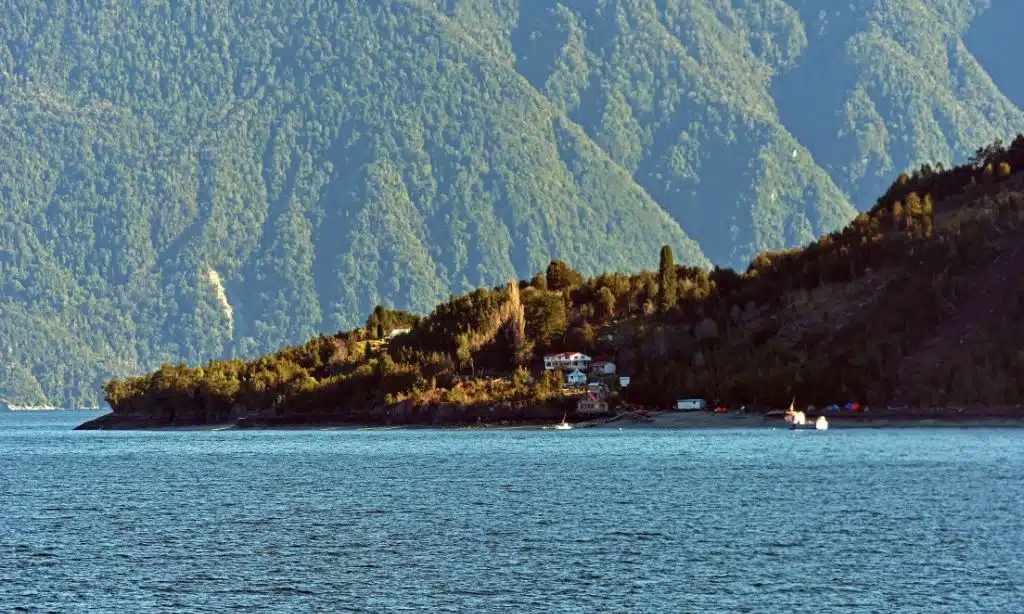
While part of the larger Truk Lagoon collection, this wreck deserves special attention for its incredible preservation and accessibility.
Photography Highlights:
- Zero fighter planes in hold
- Coral-covered deck guns
- Clear water visibility
- Dramatic propeller shots
- Abundant macro life
Dive Planning:
- Depth: 30-120 feet
- Multiple dives recommended
- Camera-friendly conditions
- Easy penetration routes
- Good artificial light needed
Best Photo Opportunities:
- Engine room details
- Cargo hold artifacts
- Bridge instruments
- Bow gun position
- Propeller scenes
9. Umbria, Sudan: The Red Sea’s Hidden Gem
This Italian supply ship offers one of the most interesting cargo dives in the Red Sea.
Cargo Highlights:
- Three Fiat trucks
- Wine bottles
- Detonators and bombs
- Aircraft parts
- Construction materials
Practical Information:
- Depth: 15-125 feet
- Visibility: 60-100 feet
- Water temperature: 75-84°F
- Experience level: Intermediate
- Best season: October to May
Local Considerations:
- Remote location
- Limited operators
- Liveaboard recommended
- Special permits required
- Worth the extra effort
10. Bianca C, Grenada: Caribbean’s Largest Wreck
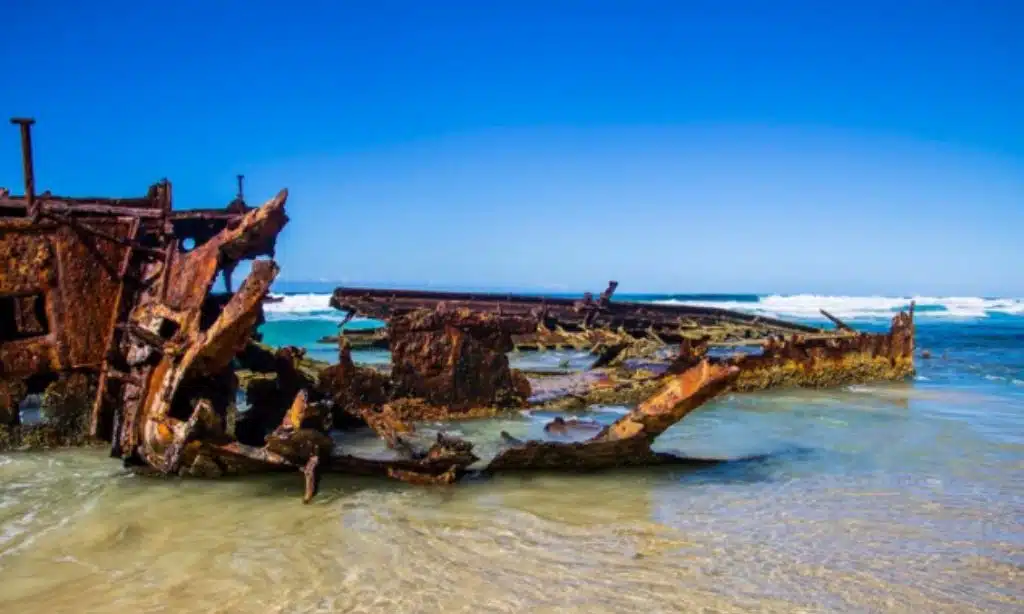
Known as the “Titanic of the Caribbean,” this massive passenger ship offers diving opportunities for all skill levels.
What Makes It Special:
- 600-foot length
- Multiple deck levels
- Rich marine life
- Technical diving options
- Accessible sections
Diving Conditions:
- Depth: 100-165 feet
- Visibility: 40-100 feet
- Water temperature: 75-85°F
- Year-round diving
- Moderate currents
Marine Life Features:
- Resident nurse sharks
- Massive barracuda
- Atlantic spadefish
- Moray eels
- Seasonal visitors
Essential Gear for Shipwreck Diving
Don’t show up unprepared! Here’s what you need beyond basic scuba gear:
- Primary Dive Light
- At least 1000 lumens
- Backup batteries
- Narrow beam for penetration
- Backup Light
- Compact size
- Different battery type than primary
- At least 500 lumens
- Reel and Line
- 150ft minimum
- Proper guidelines for penetration
- Marine grade material
- Proper Exposure Protection
- Temperature appropriate
- Full coverage for protection
- Proper thickness for depth
Safety First: The Golden Rules of Wreck Diving
- Never dive alone inside a wreck
- Maintain continuous guideline contact
- Turn around when you’ve used 1/3 of your air
- Always carry backup lights
- Stay within your training limits
Planning Your Wreck Diving Adventure
Best Times to Visit
Different regions have different prime diving seasons:
- Caribbean: December to April
- Mediterranean: June to September
- Pacific: Year-round, but avoid typhoon season
- Red Sea: March to May and September to November
Budget Planning
Average costs per location (per week):
- Budget: $800-1,200 (Southeast Asia)
- Mid-range: $1,500-2,500 (Caribbean/Red Sea)
- Premium: $3,000-5,000 (Truk Lagoon/Remote locations)
Includes:
- Diving packages
- Basic accommodation
- Local transportation
- Equipment rental
Marine Life You’ll Encounter
Shipwrecks aren’t just about rusty metal – they’re thriving ecosystems. Here’s what you might see:
Common Residents:
- Groupers
- Barracuda
- Moray eels
- Nudibranchs
- Coral formations
Seasonal Visitors:
- Whale sharks (season dependent)
- Manta rays
- Sea turtles
- Migrating fish schools
Conservation and Responsible Diving
Let’s keep these underwater museums pristine for future generations:
Do’s:
- Take only pictures
- Maintain good buoyancy
- Support local conservation efforts
- Report any damage or concerns
Don’ts:
- Touch or remove artifacts
- Disturb marine life
- Enter restricted areas
- Damage coral growth
Takeaway: Your Next Underwater Adventure Awaits
These shipwrecks aren’t just dive sites – they’re portals to the past, windows into history, and thriving marine ecosystems all rolled into one incredible experience. Whether you’re fascinated by military history, marine biology, or just love the thrill of exploration, shipwreck diving offers something for everyone.
Remember, every wreck has its own story to tell, and every dive is a chance to become part of that continuing story. So grab your gear, check your certifications, and get ready to explore some of the most fascinating underwater sites our oceans have to offer.
Ready to start planning? Contact local dive operators at any of these locations for up-to-date conditions and booking information. Adventure awaits beneath the waves!