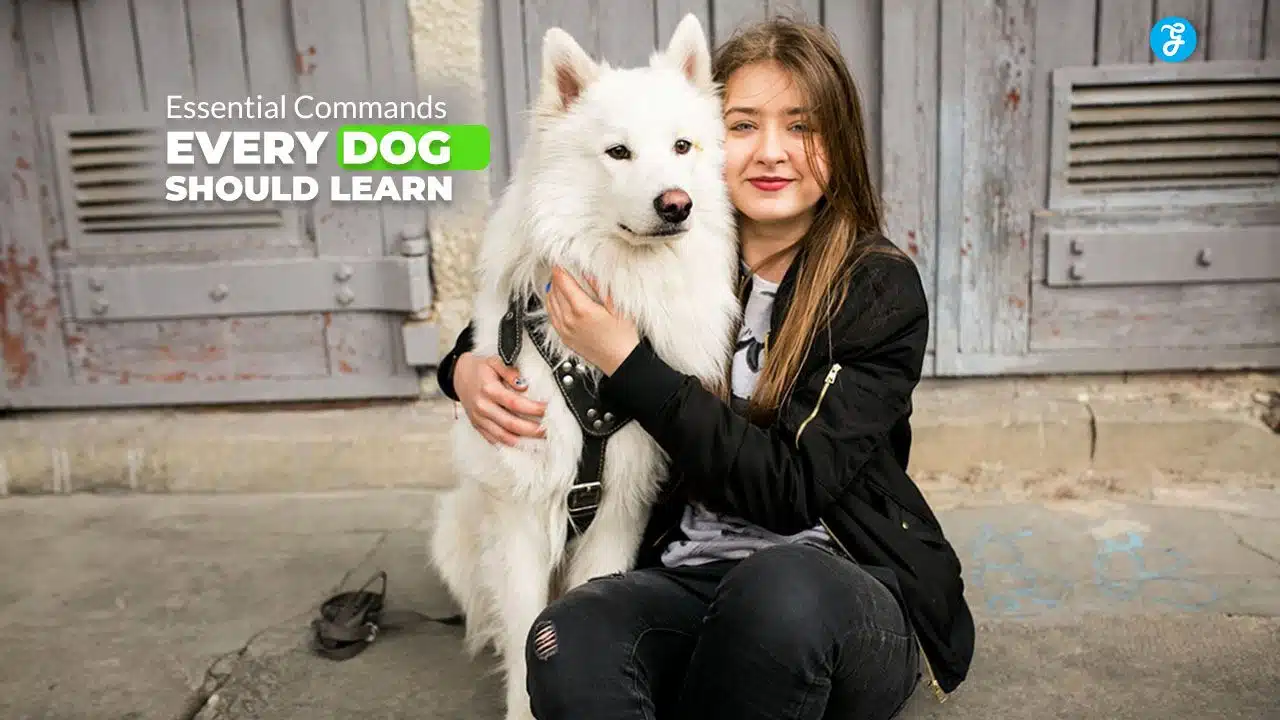
Dogs are not only loyal companions but also intelligent animals capable of learning and responding to commands. Teaching your dog essential commands ensures their safety, improves their behavior, and strengthens the bond you share.
Whether you’re training a new puppy or working with an older dog, mastering key commands is vital for a harmonious relationship. In this article, we’ll explore the seven essential commands every dog should learn, the benefits of teaching them, and how to train your dog effectively.
Why Teaching Commands Is Essential for Dogs?
Training a dog is not just about obedience; it’s about creating a language you and your dog can use to communicate. Dogs that know commands are:
- Safer in emergencies: Commands like “Stop” or “Come” can prevent them from running into traffic or other dangers.
- Well-behaved in social settings: A trained dog is less likely to jump on strangers or misbehave in public.
- More confident and secure: Training helps dogs understand their role in the household, reducing anxiety.
- Able to strengthen their bond with owners: Dogs thrive on interaction, and training sessions are a great way to build trust and understanding.
Let’s dive into the seven essential commands your dog should learn.
1. Sit
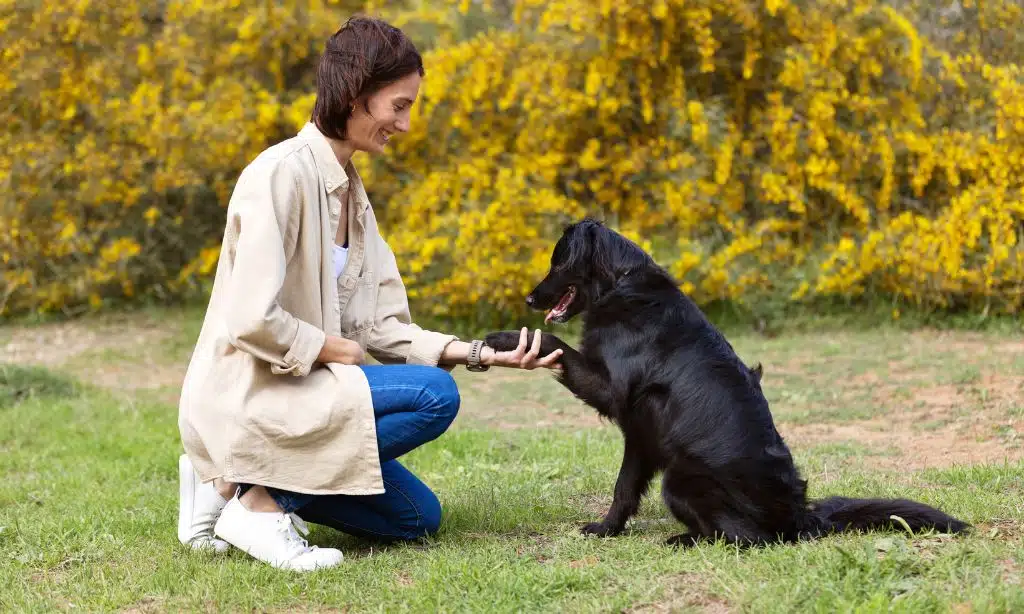
Why “Sit” Is Important
“Sit” is one of the easiest commands for dogs to learn and provides a foundation for more advanced training. A dog that can sit on command is less likely to jump on guests, dart out of doors, or become overly excited.
How to Teach “Sit”
- Use a treat as a lure: Hold a treat close to your dog’s nose.
- Move the treat upward: Slowly raise the treat above their head. As their nose follows, their bottom will naturally lower.
- Say “Sit”: As soon as their bottom touches the ground, say “Sit” and give the treat.
- Practice consistently: Repeat this several times a day for short periods.
Troubleshooting
If your dog doesn’t sit, avoid pushing them down, as this can confuse or scare them. Instead, be patient and try different luring techniques.
2. Stay
Why “Stay” Is Important
The “Stay” command helps ensure your dog remains in one place until you give them permission to move. This is especially useful in potentially dangerous situations or when you need to manage their behavior.
How to Teach “Stay”
- Start with “Sit”: Command your dog to sit.
- Use a hand signal: Hold your palm out like a stop sign and say “Stay.”
- Take a step back: If they remain in place, praise them and offer a treat.
- Gradually increase distance: Slowly increase the number of steps you take back before rewarding them.
- Add duration: Practice with longer time intervals before releasing them.
Common Challenges
Dogs may struggle with this command initially, especially in distracting environments. Practice in a quiet space and gradually introduce distractions.
3. Come
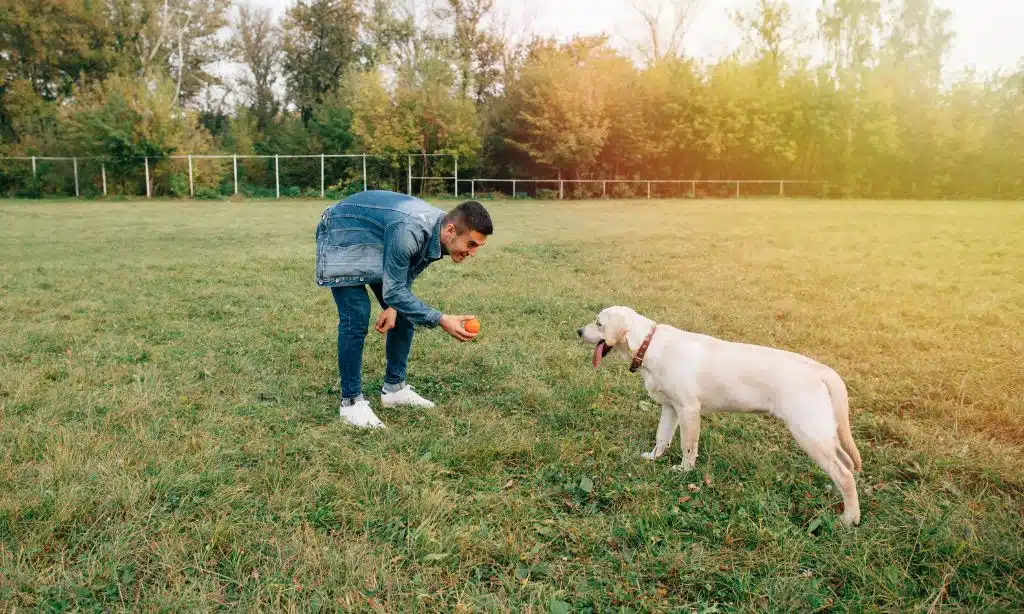
Why “Come” Is Important
A reliable recall, or “Come,” command is essential for your dog’s safety. Whether in the park or an emergency, this command gets them back quickly.
How to Teach “Come”
- Use a long leash: Attach a long leash to control their movement.
- Crouch and call their name: Say “Come” in a happy, inviting tone.
- Reward generously: When they reach you, give them treats and praise.
- Repeat in different settings: Practice indoors, outdoors, and in parks.
Tips for Success
Never use “Come” to punish your dog. This could potentially discourage your dog from responding in the future. Instead, always associate the command with positive experiences.
4. Down
Why “Down” Is Important
The “Down” command helps your dog relax and stay calm in situations where they might otherwise be excited or anxious. It’s also a useful tool for managing their behavior around guests or in public spaces.
How to Teach “Down”
- Start with a treat: Hold the treat close to your dog’s nose.
- Move it to the ground: Slowly lower the treat between their paws.
- Encourage lying down: As their chest touches the ground, say “Down” and reward them.
- Practice regularly: Gradually increase the duration before offering the reward.
Overcoming Hesitation
Some dogs are resistant to lying down, especially in unfamiliar settings. Use a calm, reassuring tone, and avoid forcing them into position.
5. Leave It
Why “Leave It” Is Important
The “Leave It” command prevents your dog from picking up or eating harmful items, such as toxic foods or dangerous objects. It’s a lifesaving skill every dog should know.
How to Teach “Leave It”
- Show them a treat: Hold a treat in your hand and close your fist.
- Say “Leave It”: When they sniff or paw at your hand, say “Leave It” firmly.
- Wait for them to stop: Once they back off, reward them with a different treat from your other hand.
- Practice with objects: Gradually introduce toys or other items and repeat the process.
Advanced Training
As your dog improves, practice the command in real-life situations, such as during walks or around food.
6. Heel
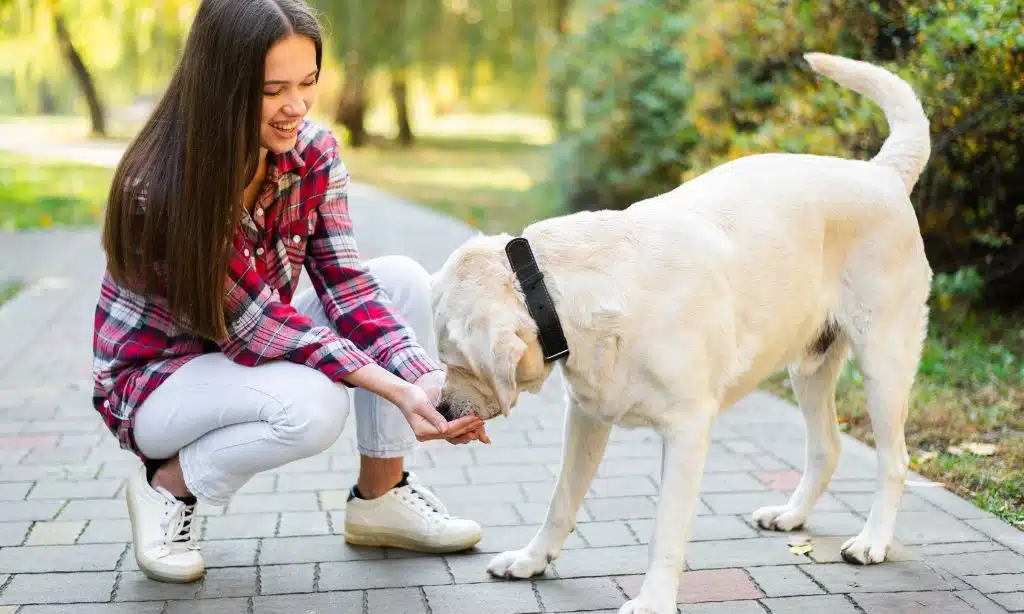
Why “Heel” Is Important
“Heel” teaches your dog to walk calmly by your side, making walks more enjoyable and safe. This command is especially useful for large or strong dogs prone to pulling on the leash.
How to Teach “Heel”
- Choose a side: Decide whether you want your dog on your left or right.
- Use a short leash: Hold the leash close to keep them near you.
- Say “Heel” and start walking: Reward them when they stay by your side.
- Correct pulling gently: Stop walking if they pull and only resume when they return to position.
Pro Tip
Use treats sparingly as they progress and rely on praise to reinforce the behavior.
7. Drop It
Why “Drop It” Is Important
Dogs like to mouth things, but some are dangerous. Teaching “Drop It” ensures they release objects safely.
How to Teach “Drop It”
- Start with a toy: Give them a toy they enjoy but are willing to release.
- Offer a treat: Hold a treat near their nose and say “Drop It.”
- Reward when they release: As soon as they let go, praise them and give the treat.
- Practice with various items: Use different objects to generalize the behavior.
Safety First
Avoid pulling objects out of their mouth, as this can cause aggression or injury.
Key Benefits of Teaching Dog Commands
| Command | Primary Benefit | When to Use |
|---|---|---|
| Sit | Prevents jumping or hyperactivity | Greeting guests, during feeding time |
| Stay | Keeps the dog in place | In emergencies, when crossing streets |
| Come | Ensures safety and control | At the park, during off-leash walks |
| Down | Promotes calm behavior | Around guests, in public places |
| Leave It | Prevents harmful ingestion | When encountering dangerous objects or foods |
| Heel | Ensures calm walks | During walks in crowded areas |
| Drop It | Avoids choking hazards | When holding unsafe or inappropriate items |
Takeaway
Training your dog is an ongoing process that requires patience, consistency, and positive reinforcement. By teaching these seven essential commands, you can ensure your dog’s safety, improve their behavior, and strengthen your bond. Keep in mind, training requires a customized approach. Adapt techniques to suit your dog’s personality, and always celebrate their progress.
With dedication, your furry friend will not only master these commands but also become a well-mannered and happier companion.