

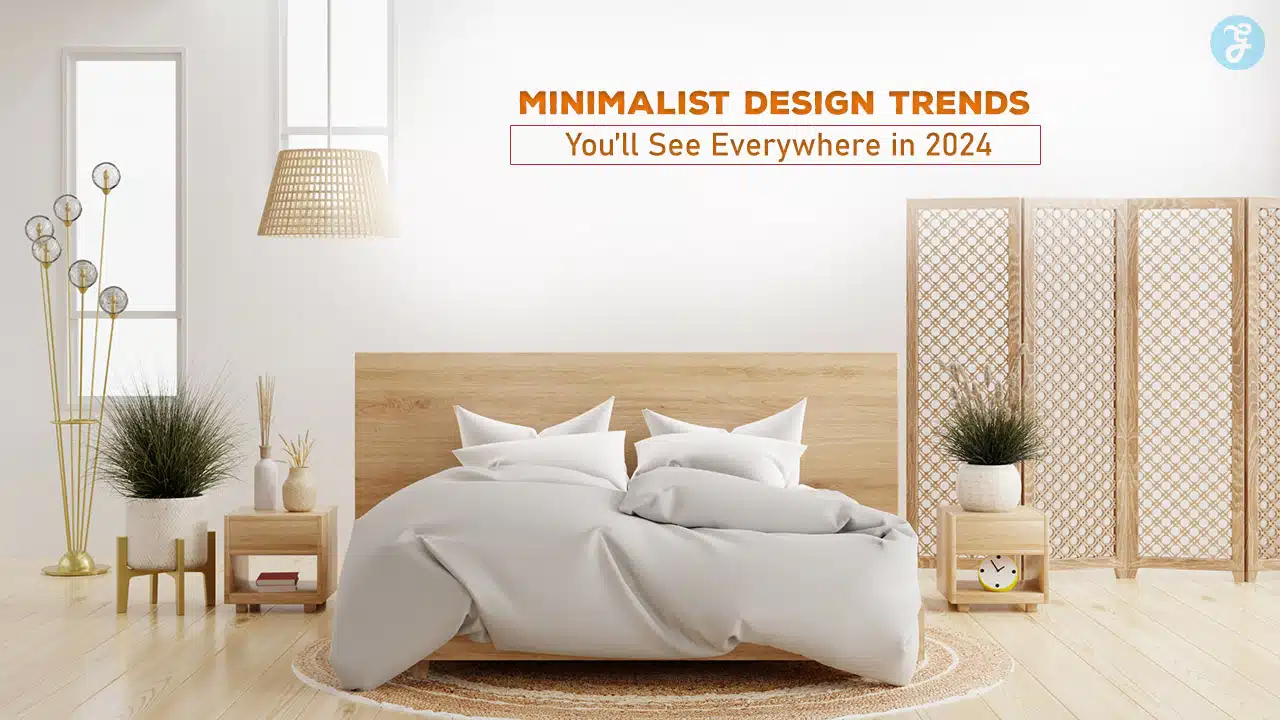
Minimalism has become a powerful design philosophy, embracing the concept of “less is more” and focusing on creating calm, uncluttered spaces that are both functional and beautiful.
As we enter 2025, minimalist design is evolving, with new trends that add depth, warmth, and personality to simple spaces.
This year, minimalism is about combining beauty with sustainability, function with elegance, and restraint with subtle luxury.
If you’re looking to refresh your space with the latest minimalist trends, here’s a guide to seven minimalist design trends you’ll see everywhere in 2025.
Why Minimalist Design Remains Popular?
Minimalism goes beyond aesthetics; it’s a lifestyle choice that prioritizes simplicity, intentionality, and sustainability.
By reducing clutter, choosing quality over quantity, and focusing on a few essential pieces, minimalist design allows us to create spaces that are peaceful, efficient, and uplifting.
The appeal of minimalism is in its ability to adapt to our evolving needs, providing both aesthetic beauty and practical functionality.
In 2025, minimalist design is moving towards warmer, more personal spaces, where natural elements, muted colors, and sustainable materials take center stage. Here’s a look at the trends set to define minimalist spaces this year.
7 Minimalist Design Trends You’ll See Everywhere in 2025
Let’s have some insights on these designs.
1. Organic Materials and Textures
Minimalism is embracing a return to nature, with a focus on organic materials and textures that bring warmth and depth to simple spaces. Think wood, stone, clay, and textiles that have a natural feel.
- Why It’s Trending: As people seek more grounding and comforting interiors, organic materials provide a tactile and visual connection to nature, adding depth to minimalist spaces without overcomplicating them.
- Design Elements: Look for reclaimed wood, raw stone, marble, and rattan in furniture and decor. Natural textiles like linen, wool, and cotton are also popular, adding texture and softness to minimalist spaces.
- How to Use It: Incorporate organic materials in statement pieces like a wooden coffee table or stone countertops. Mixing textures, such as a wool rug with a linen sofa, creates a cozy yet simple aesthetic.
This trend is all about blending simplicity with the beauty of nature, offering a more soulful, eco-conscious approach to minimalist design.
2. Earthy and Muted Color Palettes
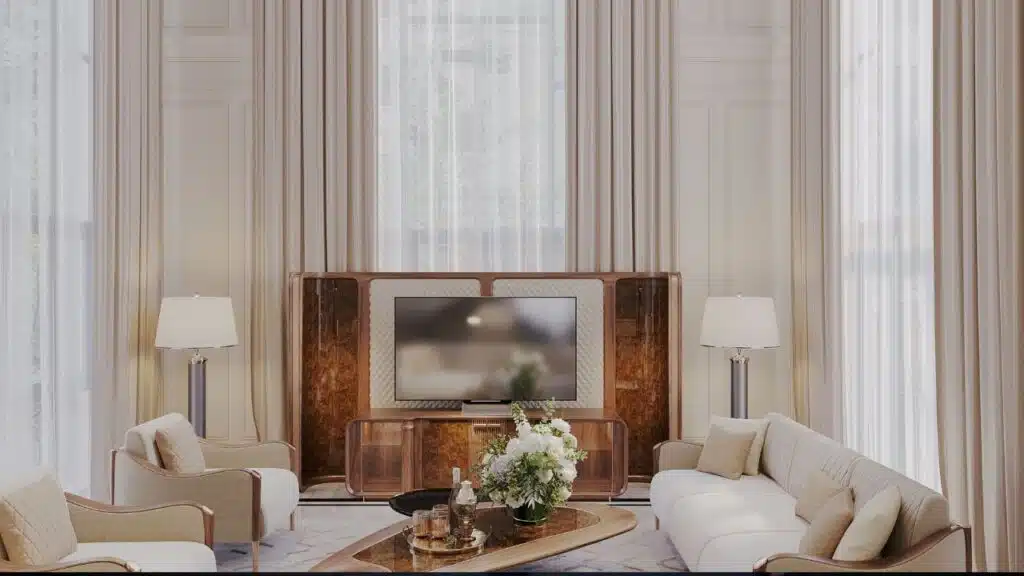
In 2025, minimalist design is moving away from stark whites and grays and embracing warmer, earthy tones. These muted colors bring a sense of calm and timelessness to spaces without detracting from the minimalist aesthetic.
- Why It’s Trending: Earthy tones offer a middle ground between neutral palettes and vibrant colors, providing warmth while maintaining the serene feel that minimalism is known for.
- Design Elements: Popular colors include warm beiges, terracotta, muted greens, and sandy browns. These shades are inspired by natural landscapes, offering a grounding effect in living spaces.
- How to Use It: Use these colors in wall paints, furniture, or accessories like throw pillows and rugs. Pairing earthy tones with organic materials enhances the warm, natural feel of a minimalist room.
This trend brings warmth and versatility to minimalist spaces, allowing for a variety of looks that feel both sophisticated and down-to-earth.
3. Curved and Organic Shapes
Geometric lines are being softened in 2025, with a shift toward rounded, organic shapes in minimalist interiors. These shapes create a more inviting, approachable atmosphere without sacrificing the clean lines central to minimalism.
- Why It’s Trending: Curved shapes evoke a sense of softness and fluidity, balancing out the rigid and sometimes sterile feel that minimalist spaces can have.
- Design Elements: Look for furniture with rounded edges, such as circular coffee tables, arched mirrors, and curved sofas. Lighting fixtures, decor items, and even structural elements like doorways can incorporate curves.
- How to Use It: Mix rounded furniture pieces with clean-lined items to create contrast. For example, pair a curved sofa with a square coffee table or add an arched mirror to a wall for visual interest.
Curved shapes bring a gentle, human touch to minimalism, making spaces feel harmonious and well-rounded.
4. Multi-Functional and Modular Furniture
As spaces become more flexible to accommodate work, relaxation, and socializing, there is a growing demand for multi-functional and modular furniture in minimalist design.
- Why It’s Trending: With many people living in smaller spaces and seeking functionality, modular and multi-functional furniture offers adaptability and maximizes space without compromising on style.
- Design Elements: Look for sectional sofas that can be rearranged, storage ottomans, fold-out desks, and modular shelving. Furniture that can serve more than one purpose is key in creating a functional minimalist home.
- How to Use It: Use modular shelving units to create a customized storage solution or invest in a multi-functional coffee table with built-in storage. These pieces help maintain a clutter-free environment while adding versatility.
This trend allows minimalist spaces to be both beautiful and highly functional, adapting to the ever-changing needs of modern life.
5. Sustainable and Eco-Friendly Design
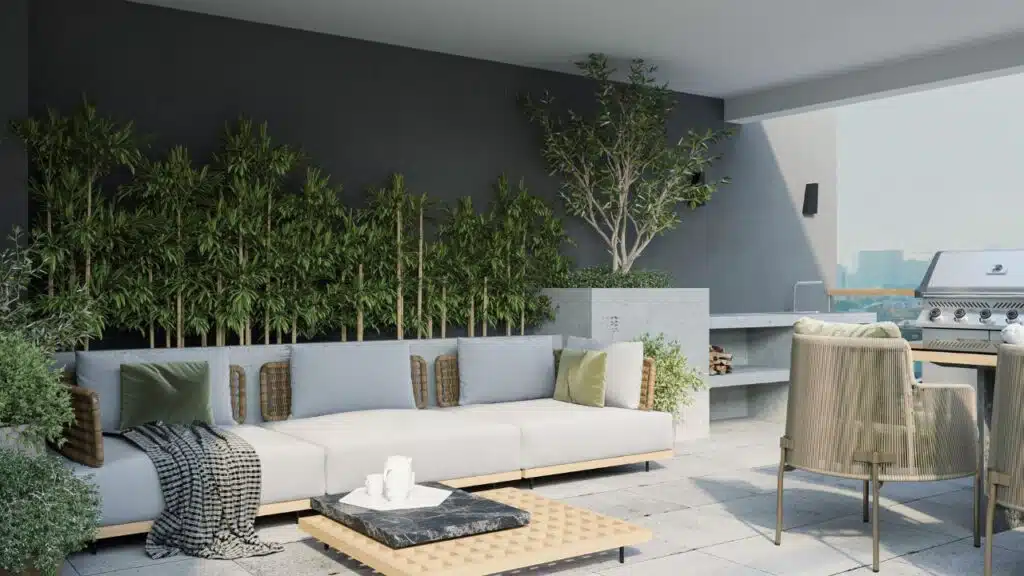
Sustainability is a core focus in 2025, with minimalist design embracing eco-friendly materials, ethical manufacturing, and products that are built to last.
- Why It’s Trending: With increasing awareness of environmental impact, many people are seeking ways to create beautiful homes that also reflect their commitment to sustainability.
- Design Elements: Reclaimed wood, recycled materials, and eco-friendly fabrics like organic cotton and hemp are popular choices. Minimalist designs often feature timeless pieces that reduce the need for constant replacements.
- How to Use It: Opt for sustainably-sourced furniture, look for brands with transparent manufacturing processes, and choose products with certifications like FSC (Forest Stewardship Council) or GOTS (Global Organic Textile Standard).
Sustainable design adds purpose to minimalism, creating spaces that are not only visually appealing but also ethically responsible.
6. Minimalist Japandi Aesthetic
Japandi design—a blend of Japanese minimalism and Scandinavian coziness—has become a leading minimalist trend, combining the best elements of both styles to create serene, functional spaces.
- Why It’s Trending: Japandi emphasizes simplicity, functionality, and natural materials, aligning with the growing demand for calm and uncluttered spaces that are also comfortable.
- Design Elements: Key features include low-profile furniture, neutral and earthy colors, and natural materials like wood, bamboo, and stone. Japandi decor often includes soft lighting, woven textures, and minimal decor to enhance a sense of tranquility.
- How to Use It: Choose furniture with clean lines and a low profile, incorporate warm, neutral tones, and add natural textures like linen or jute for warmth. Minimalism is central, with only essential and meaningful items on display.
Japandi is perfect for those who love minimalism but crave a cozy, inviting feel, making it ideal for creating a sanctuary-like environment.
7. Statement Lighting as Art
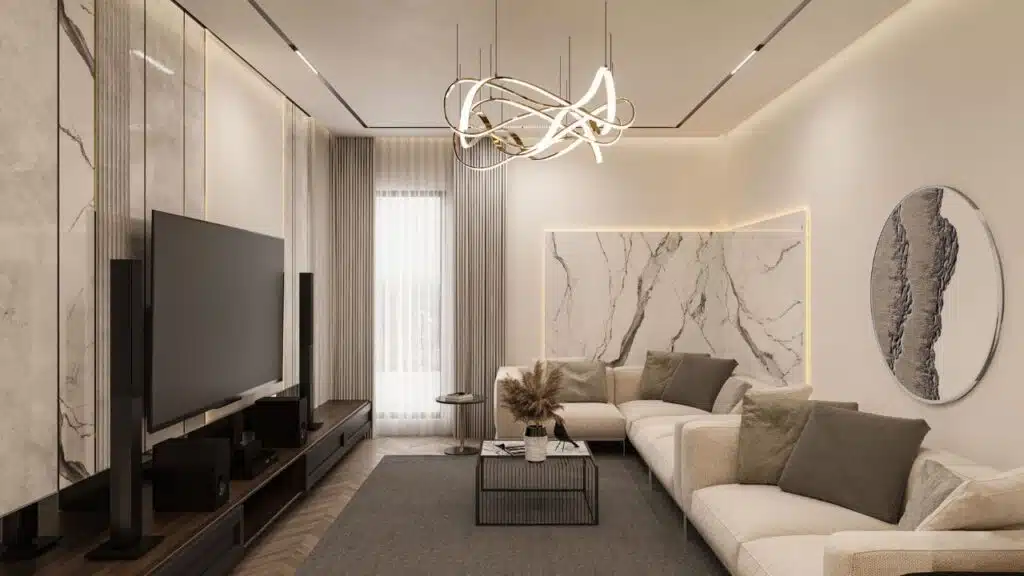
In 2025, lighting is taking center stage in minimalist spaces, with statement lighting fixtures that double as functional art pieces.
- Why It’s Trending: Statement lighting adds a sculptural element to minimalist interiors, offering visual interest without overwhelming the space. It allows for self-expression within a minimalist framework.
- Design Elements: Popular options include oversized pendant lights, sculptural table lamps, and abstract floor lamps. Organic materials like metal and glass are often used, and geometric designs with unique silhouettes are key.
- How to Use It: Use a bold pendant light over a dining table or a sculptural floor lamp in a living room to create a focal point. Statement lighting works especially well in minimalist spaces, as it provides both functionality and artistic appeal.
By incorporating statement lighting, minimalist interiors achieve a unique blend of simplicity and character, using light fixtures to elevate the overall aesthetic.
Conclusion
Minimalist design in 2025 is more than just a style choice—it’s a lifestyle that emphasizes purpose, quality, and intentionality.
From organic materials and warm colors to functional furniture and sustainable choices, this year’s trends reflect a move toward spaces that are both beautiful and meaningful.
Minimalism continues to evolve, offering endless possibilities for personal expression while maintaining its core principles of simplicity and elegance.
By embracing these minimalist design trends, you can create a home that not only looks sophisticated but also fosters a sense of calm, balance, and connection to the natural world.
Whether you’re updating a few elements or undertaking a full redesign, these trends will help you create a stylish, timeless, and peaceful minimalist space that feels like home





















