


As people age, their needs, mobility, and safety requirements change, making it essential to adjust living environments accordingly.
Making a home senior-friendly is not just about convenience; it’s about ensuring safety, comfort, and independence.
Whether it’s for an aging parent or preparing your own home for the future, creating a senior-friendly environment involves making thoughtful adjustments that accommodate physical limitations, cognitive challenges, and common aging-related health issues.
This article outlines the 10 best ways to modify a home, ensuring it’s comfortable and safe for seniors while maintaining their dignity and independence.
1. Improve Accessibility with Ramps and Wider Doorways
Why It Matters
Mobility often becomes an issue as people age, with many seniors needing walkers, wheelchairs, or other mobility aids.
Standard home layouts, with narrow hallways, stairs, and raised thresholds, can become challenging to navigate.
How to Make it Senior Friendly
- Ramps:
Installing ramps instead of stairs, particularly at entrances, can make it easier for seniors to access the home.
Ramps should be slip-resistant and designed with a gentle incline for ease of use.
- Wider Doorways:
Standard doorways may be too narrow for wheelchairs or walkers.
Consider widening doorways to at least 36 inches to accommodate these mobility aids comfortably.
- Thresholds:
Raised door thresholds can pose a tripping hazard.
Consider installing threshold ramps or leveling the thresholds to eliminate obstacles.
Benefits
This modification allows for smoother movement throughout the house, reducing the risk of accidents while enhancing the senior’s independence.
2. Install Grab Bars and Handrails in Key Areas
Why It Matters
Seniors are more prone to falls, especially in wet or slippery areas like bathrooms or stairways. Grab bars and handrails provide much-needed stability and support.
How to Make it Senior Friendly
- Bathrooms:
Install grab bars near toilets, bathtubs, and showers to help seniors maintain balance when sitting, standing, or getting in and out of the shower.
Opt for slip-resistant grab bars for extra security.
- Stairways:
Handrails should be installed on both sides of any staircases inside or outside the house.
If the home has more than one floor, consider adding a stairlift for seniors who have difficulty climbing stairs.
- Bedrooms:
Install grab bars near the bed to provide support when getting in and out of bed.
Benefits
These simple installations provide seniors with the added support they need to move around safely, preventing potentially dangerous falls.
3. Create a Barrier-Free Bathroom
Why It Matters
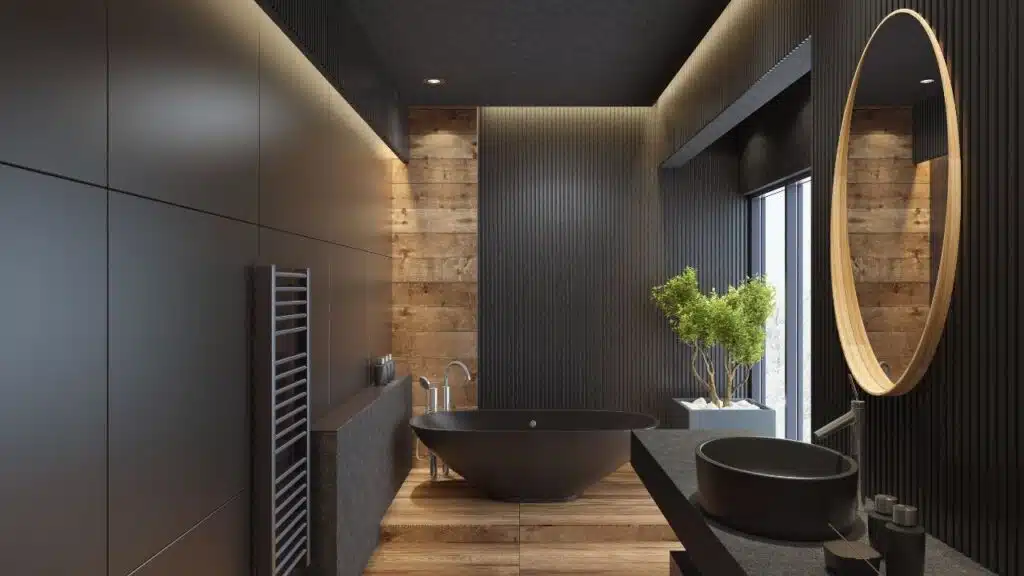
Bathrooms are one of the most hazardous rooms in the home for seniors due to slippery floors, the need to step over the bathtub, and the confined space.
Making the bathroom more accessible and safer is critical for senior-friendly home modifications.
How to Make it Senior Friendly
- Walk-In Showers and Bathtubs:
Replace traditional tubs with walk-in showers or bathtubs that have low or no-threshold entry, allowing seniors to easily step in without the risk of tripping.
- Non-Slip Flooring:
Install slip-resistant tiles or add non-slip mats in the bathroom to reduce the risk of falls.
- Raised Toilets:
Standard toilets can be too low, making it difficult for seniors to sit down and stand up.
Consider installing a raised toilet seat or replacing the toilet with a higher one for easier access.
Benefits
These modifications significantly reduce the risk of falls and enhance safety in a space where seniors are particularly vulnerable.
4. Ensure Adequate Lighting Throughout the Home
Why It Matters
Poor lighting can cause accidents for seniors, especially those with vision impairments.
Ensuring that all areas of the home are well-lit reduces the risk of falls and helps seniors navigate their living spaces confidently.
How to Make it Senior Friendly
- Motion-Sensor Lights:
Installing motion-sensor lights in hallways, bathrooms, and entryways can help seniors move around safely without having to fumble for switches, especially during the night.
- Nightlights:
Place nightlights in bedrooms, hallways, and bathrooms to provide a gentle light during nighttime hours.
This ensures that seniors can easily find their way without tripping over obstacles.
- Task Lighting:
Increase task lighting in areas where seniors may read or perform activities, such as the kitchen, living room, or office.
Ensure that lights are adjustable and glare-free to accommodate varying needs.
Benefits
Well-lit homes significantly reduce the likelihood of accidents, particularly falls, while enhancing the comfort and independence of seniors.
5. Adjust Kitchen Spaces for Senior Accessibility
Why It Matters
Kitchens can be difficult for seniors to navigate, especially those with mobility or strength limitations.
Ensuring that frequently used items are easily accessible without requiring seniors to bend, stretch, or climb can make daily activities like cooking safer and more manageable.
How to Make it Senior Friendly
- Lower Countertops and Cabinets:
Adjust countertop heights and lower cabinets to make it easier for seniors to reach cooking utensils, appliances, and other kitchen essentials without straining.
- Pull-Out Shelves:
Install pull-out shelves in lower cabinets to allow seniors to access items easily without bending or kneeling.
Pull-down racks in higher cabinets can also make it easier to access stored items.
- Lever-Style Faucets:
Replace traditional twist faucets with lever-style ones, which are easier to operate for seniors with arthritis or limited hand strength.
Benefits
These adjustments ensure that seniors can continue using the kitchen independently and safely without the risk of overexertion or injury.
6. Opt for Slip-Resistant Flooring
Why It Matters
Slips and falls are among the leading causes of injuries for seniors, especially on smooth, polished floors.
Replacing slippery surfaces with slip-resistant materials can prevent accidents and create a safer living environment.
How to Make it Senior Friendly
- Non-Slip Flooring Materials:
Use non-slip materials like rubber flooring, textured tile, or cork flooring in high-traffic areas such as the bathroom, kitchen, and hallways.
- Rugs with Grips:
If you prefer to use rugs, choose those with non-slip backing or add non-slip grips under existing rugs to prevent them from sliding.
Benefits
Slip-resistant floors greatly reduce the risk of falls, making it easier and safer for seniors to walk around their homes with confidence.
7. Replace Knobs with Levers
Why It Matters
Seniors with arthritis or weakened hand strength may struggle with turning doorknobs or twisting faucets.
Replacing knobs with levers provides an easier solution, requiring less force and effort.
How to Make it Senior Friendly
- Door Levers:
Swap traditional round doorknobs with lever-style handles that are easier to grip and operate.
These handles can be opened with minimal effort, even when using an elbow or palm.
- Lever Faucets:
Install lever-style faucets in the kitchen and bathroom to make turning on water simple, especially for those with joint pain or arthritis.
Benefits
Lever handles and faucets are more ergonomic and accessible, helping seniors maintain independence in their daily activities with less physical strain.
8. Design Single-Level Living Spaces
Why It Matters
As mobility becomes more difficult with age, navigating stairs can be a significant safety concern.
For seniors with balance or joint issues, stairs pose a risk for falls, making it ideal to reduce the need to use them.
How to Make it Senior Friendly
- First-Floor Living:
Create a single-level living space by ensuring that essential rooms—such as the bedroom, bathroom, kitchen, and laundry—are on the first floor of the home.
This eliminates the need to use stairs for everyday tasks.
- Stair Lifts:
If single-level living isn’t possible, consider installing a stairlift, which allows seniors to safely travel between floors without the risk of falling.
Benefits
A single-level living arrangement minimizes fall risks and reduces the physical strain of climbing stairs, making the home more accessible and safer for seniors.
9. Simplify Smart Technology for Seniors
Why It Matters
Smart home technology can make daily tasks easier, but many systems are overly complex or difficult for seniors to use. Simplifying and adapting smart technology to suit seniors’ needs can enhance their safety and convenience without overwhelming them.
How to Make it Senior Friendly
- Voice-Activated Devices:
Use voice-activated assistants like Amazon Alexa or Google Home to help seniors control lights, thermostats, and other home devices without needing to interact with complex controls.
- Simple Remotes:
Install smart lighting or thermostats that seniors can easily operate thanks to user-friendly apps or simple remote controls.
- Smart Sensors:
Install smart sensors on doors and windows that can alert caregivers if there’s an emergency or unusual activity.
Benefits
Simplified technology can empower seniors to manage their homes more independently while providing peace of mind to caregivers and family members.
10. Clear and Organize Pathways
Why It Matters
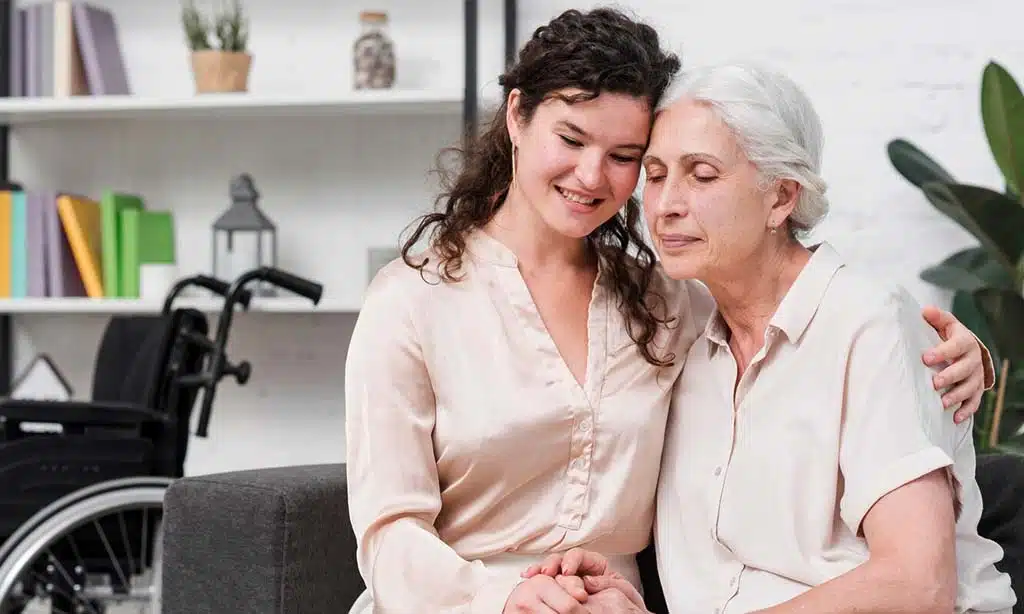
Clutter and poorly organized spaces can create unnecessary tripping hazards for seniors.
A home with clear, wide, and unobstructed pathways is essential for ensuring safety, especially for those who use mobility aids like walkers or canes.
How to Make it Senior Friendly
- Remove Obstacles:
Clear hallways, walkways, and high-traffic areas of clutter, cords, and unnecessary furniture to allow free movement without risk of tripping or falling.
- Organized Storage:
Ensure that commonly used items, such as phones, medication, and glasses, are stored in easily accessible locations so seniors don’t have to strain or search for them.
Benefits
Decluttering and organizing pathways prevent accidents and promote a safer, more comfortable living environment, enabling seniors to navigate their homes with confidence.
Wrap Up
Creating a senior-friendly home is about balancing safety, comfort, and independence.
By implementing these 10 best practices—improving accessibility, installing safety features, optimizing lighting, and simplifying technology—you can transform any living space into a safe, supportive environment for seniors.
These changes not only enhance quality of life but also empower seniors to maintain their independence, dignity, and well-being as they age in place.





















