

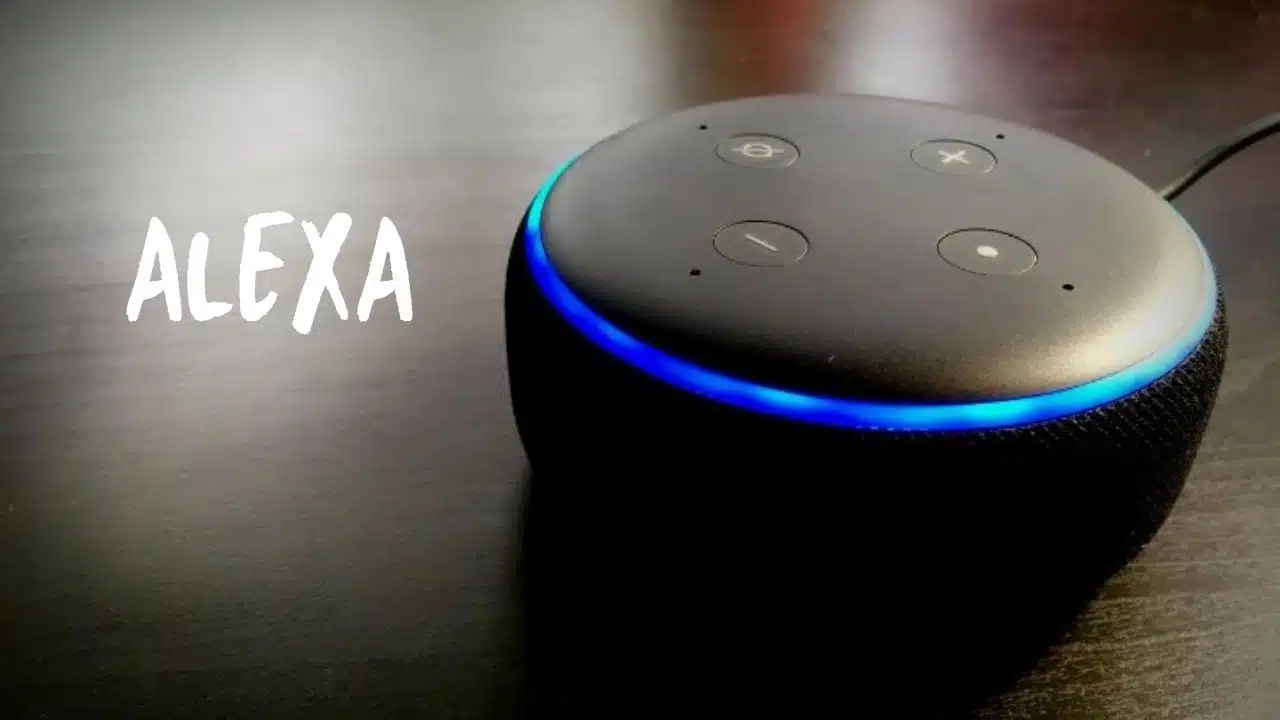
Amazon (AMZN), one of the world’s largest tech giants, is preparing to launch a significantly upgraded version of its popular voice assistant, Alexa. This new model, set to be unveiled in October, is strategically timed to hit the market just before the U.S. holiday season—a crucial period for tech sales and consumer electronics. However, what’s making headlines is not just the timing of this release but the technology behind it. Unlike previous iterations, Amazon is taking a bold step by incorporating AI models from Anthropic’s Claude, rather than relying entirely on its own in-house AI technology.
What’s New with the “Remarkable” Alexa?
This upgraded version, internally codenamed “Remarkable Alexa,” represents a major leap forward in the capabilities of voice-assisted technology. The new Alexa is expected to utilize advanced generative AI, allowing it to handle a broader range of complex queries with greater accuracy and efficiency. This is a significant departure from its current model, which, while popular, has often been criticized for its limitations in understanding and responding to more sophisticated user commands.
Generative AI, the backbone of this new Alexa, is a cutting-edge technology that can create new content, such as text, images, or audio, based on the data it has been trained on. By integrating this technology, the “Remarkable” Alexa will be able to generate more human-like responses, engage in more natural conversations, and potentially anticipate user needs better than ever before.
Amazon plans to charge a subscription fee of between $5 and $10 per month for access to this enhanced version. This marks a shift in Amazon’s strategy, as the company continues to offer the “Classic” version of Alexa for free, but is clearly positioning the “Remarkable” Alexa as a premium product aimed at users who demand more from their voice assistant.
A Strategic Move for Amazon’s AI Business
The decision to introduce a subscription model for the new Alexa could be seen as a move to generate additional revenue from its Alexa division, which, despite the widespread adoption of Alexa-enabled devices, has struggled to be a major profit center for Amazon. According to the company, over 500 million Alexa-enabled devices have been sold globally. However, Amazon has notably withheld information regarding the number of active Alexa users, leaving questions about the overall engagement and effectiveness of the platform.
By offering a premium version with enhanced capabilities, Amazon is likely aiming to tap into a more tech-savvy segment of the market willing to pay for advanced features. This could also serve as a way to differentiate Alexa from other voice assistants in a highly competitive market, where companies like Google and Apple are also pushing the boundaries of what AI can do in consumer products.
Why Did Amazon Turn to Anthropic’s Claude AI?
Amazon’s decision to collaborate with Anthropic and use its Claude AI models rather than its own AI technology was driven by the challenges the company faced in developing an advanced voice assistant. Earlier efforts to create a new version of Alexa using Amazon’s in-house AI were met with significant obstacles, including delays in response times. Specifically, users experienced frustrating delays of six to seven seconds when interacting with the system, a lag that is unacceptable in the fast-paced world of digital assistants.
These performance issues led Amazon to seek alternative solutions, ultimately turning to Claude, an AI chatbot developed by the startup Anthropic. Claude outperformed Amazon’s own models in internal tests, providing quicker and more accurate responses to user prompts. The partnership with Anthropic isn’t entirely surprising, given Amazon’s significant $4 billion investment in the startup last year. This investment was part of a broader strategy to enhance Amazon’s AI capabilities and ensure that its customers would have early access to some of the most advanced AI technology available.
Integrating Claude AI into Alexa could prove to be a game-changer for Amazon, allowing it to offer a voice assistant that not only meets but exceeds user expectations in terms of speed, accuracy, and overall user experience.
The Competitive Landscape: Google’s Investment in Anthropic
It’s worth noting that Amazon is not the only tech giant with an eye on Anthropic’s technology. Alphabet’s Google, a direct competitor of Amazon in the AI and consumer electronics space, has also made a substantial investment in Anthropic, to the tune of $2 billion. This indicates a growing recognition within the industry that specialized AI models like Claude could hold the key to the next generation of consumer technology.
Google’s investment also underscores the increasing competition among tech giants to develop the most advanced AI solutions. For Amazon, leveraging Claude AI could be a strategic move to stay ahead of the curve, particularly as Google continues to enhance its own voice assistant, Google Assistant, which is already a formidable competitor to Alexa.
What Does This Mean for Amazon’s Stock?
From an investment perspective, Amazon’s partnership with Anthropic and the upcoming release of the “Remarkable” Alexa could have significant implications for the company’s stock performance. Analysts remain highly optimistic about Amazon, maintaining a Strong Buy consensus rating. This rating is based on 41 Buy recommendations and just one Hold, reflecting a strong belief in Amazon’s long-term growth potential.
Over the past year, Amazon’s stock has risen by more than 25%, and the average price target of $222.18 suggests an upside potential of 26.8% from current levels. The introduction of a premium, AI-powered Alexa could further bolster investor confidence, particularly if the product is well-received by consumers and successfully differentiates itself from competitors.
As Amazon continues to innovate and expand its product offerings, particularly in the AI space, it is well-positioned to capitalize on new market opportunities. The success of the “Remarkable” Alexa could play a crucial role in shaping the future of Amazon’s AI business and its overall market strategy.
Looking Ahead: The Future of AI at Amazon
The collaboration with Anthropic and the launch of the new Alexa model reflect Amazon’s broader ambitions in the AI space. As the company continues to invest heavily in AI and machine learning technologies, we can expect to see more products and services that leverage these advancements in the near future.
The “Remarkable” Alexa is just one example of how Amazon is pushing the boundaries of what AI can do in consumer products. As the technology continues to evolve, it will be interesting to see how Amazon’s competitors respond and what new innovations will emerge from this rapidly growing field.
In conclusion, the upcoming launch of the “Remarkable” Alexa powered by Anthropic’s Claude AI represents a significant step forward for Amazon. It not only highlights the company’s commitment to enhancing its AI capabilities but also positions Amazon as a key player in the future of voice-assisted technology. With the holiday season fast approaching, all eyes will be on Amazon to see how this new product performs in the market and what it means for the future of AI-driven consumer electronics.





















