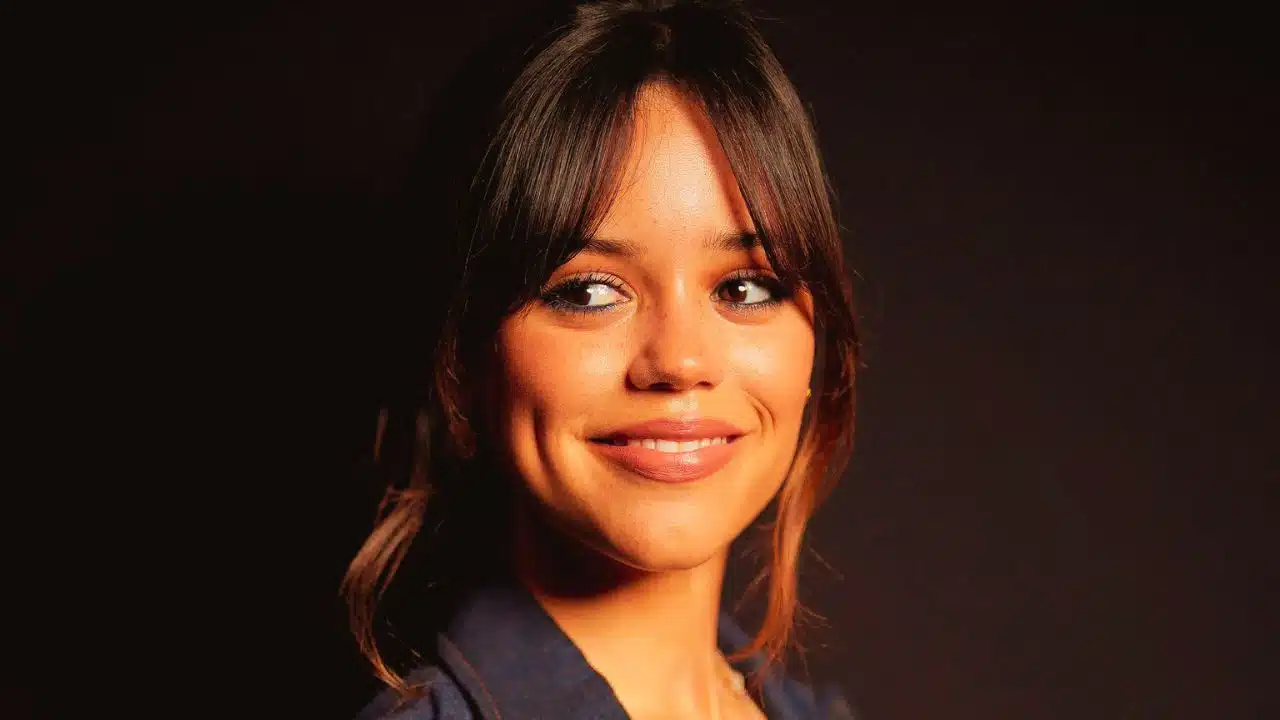
Jenna Ortega, a rising star in Hollywood known for her roles in Netflix’s Wednesday and the upcoming Beetlejuice sequel, has spoken out about the traumatic experiences that led her to delete her Twitter account. In a deeply personal interview with The New York Times, the young actress shared her unsettling encounter with AI-generated content that depicted her in inappropriate ways when she was still a child. Ortega’s story sheds light on the darker side of social media and the unchecked dangers of artificial intelligence.
The Terrifying Intersection of AI and Social Media
Ortega’s candid reflections come at a time when artificial intelligence is becoming increasingly integrated into everyday life, both for better and worse. While AI has been praised for its potential in various fields, including healthcare—such as detecting breast cancer years before it progresses—Ortega’s experience reveals a disturbing side of this technology. She recalls her initial encounter with AI-generated content as “terrifying,” a word she doesn’t use lightly.
“I hate AI,” Ortega expressed, emphasizing the chilling nature of her experiences. She acknowledged that AI has the potential for positive impacts, like advancements in medical diagnostics, but her personal experience has been one of fear and discomfort. “I think I saw something the other day where they were saying that artificial intelligence was able to detect breast cancer four years before it progressed. That’s beautiful. Let’s keep it to that,” she said. Her own experiences, however, have shown her the dangerous potential of AI when misused.
A Young Girl’s Horrific Introduction to Social Media
Ortega’s story is a stark reminder of the vulnerability of young celebrities, especially those growing up in the digital age. At just 12 years old, she was introduced to the darker corners of social media in a way no child should ever have to experience. The first direct message she received on Twitter was an unsolicited photo of a man’s genitals—a shocking and traumatic event for a preteen. This was only the beginning of what would become a disturbing pattern of harassment.
As Ortega’s fame grew, so did the volume of explicit and manipulated images sent to her. These AI-generated photos depicted her in sexualized ways, despite her young age at the time. The images were not just a violation of her privacy but also a grotesque exploitation of her childhood innocence. For Ortega, who was still navigating her identity and public persona, these experiences were deeply damaging.
“I used to have that Twitter account, and I was told that, ‘Oh, you got to do it, you got to build your image,’” Ortega recalled. The pressure to maintain a social media presence, coupled with the constant barrage of inappropriate content, became too much to bear. She explained that the decision to delete her Twitter account came after she found herself overwhelmed by the influx of disturbing images that flooded her feed following the release of *Wednesday*. “These absurd images and photos, and I already was in a confused state that I just deleted it,” she said.
The Emotional Toll of Online Harassment
Ortega’s decision to step away from Twitter was not taken lightly. The emotional toll of constantly seeing manipulated images of herself as a child was immense. “It was disgusting, and it made me feel bad. It made me feel uncomfortable,” she shared. The pervasive nature of these images meant that every time she logged onto the platform, she was met with reminders of the invasive and violating content that strangers had created and shared.
The actress described a moment of clarity that led to her final decision to delete her account: “One day I just woke up, and I thought, ‘Oh, I don’t need this anymore.’ So I dropped it.” For Ortega, the decision was both liberating and necessary for her mental health. By removing herself from the platform, she took a stand against the toxic environment that social media had become for her.
The Growing Threat of AI-Generated Deepfake Pornography
Ortega’s experience is not an isolated case but part of a growing trend of AI-generated deepfake pornography that disproportionately targets women. As technology advances, the creation of realistic deepfake content has become easier and more accessible. This has led to an increase in the distribution of manipulated images and videos that depict individuals in compromising and sexualized situations without their consent.
A report from The Washington Post highlighted the alarming rise of deepfake pornography and the challenges it presents, particularly for women in the public eye. The article noted that the barrier to making realistic AI porn is lower than ever, making it a significant concern for women who are often the targets of such harassment. Twitch streamers, celebrities like Taylor Swift, and even everyday women have found themselves victimized by this new form of digital exploitation.
Despite the widespread harm caused by deepfake pornography, legal frameworks regulating the use of AI in this context have lagged behind. The rapid development of AI technology has outpaced the creation of laws to protect individuals from its misuse. As a result, many victims of deepfake harassment find themselves with little recourse, left to navigate the traumatic consequences on their own.
The Urgent Need for Stronger Regulations
Ortega’s story underscores the urgent need for stronger regulations and protections against the misuse of artificial intelligence. While AI has the potential to bring about significant positive changes in society, its ability to be used for harm cannot be ignored. The lack of robust legal protections leaves individuals, particularly women and minors, vulnerable to exploitation.
As Ortega’s experience demonstrates, the emotional and psychological impact of being targeted by AI-generated content can be profound. The violation of privacy, coupled with the public nature of social media, creates a toxic environment where victims are left feeling powerless. Ortega’s decision to delete her Twitter account was an act of self-preservation, but it also highlights the limitations of current measures to protect individuals from the darker side of AI.
A Call to Action
Jenna Ortega’s brave decision to speak out about her experiences with AI-generated content serves as a call to action for both the public and policymakers. There is a critical need for increased awareness of the dangers posed by AI when used unethically, as well as for the development of comprehensive legal frameworks to address these challenges.
As AI continues to evolve, so too must our approach to regulating it. Protecting individuals from exploitation and harassment should be a top priority, particularly in the digital age, where the lines between reality and manipulation are increasingly blurred. Ortega’s story is a powerful reminder of the human cost of inaction, and the importance of creating a safer online environment for everyone.
In conclusion, Jenna Ortega’s experience with AI-generated content and the subsequent decision to delete her Twitter account highlight the urgent need for greater protections against the misuse of artificial intelligence. While AI has the potential for incredible advancements, it also poses significant risks, particularly when used to exploit and harass individuals. As society grapples with the rapid advancement of technology, it is crucial that we also develop the necessary safeguards to protect those most vulnerable to its misuse.